Operations | Monitoring | ITSM | DevOps | Cloud

How to Measure AI ROI in IT Service Management

A service desk manager launches a virtual agent in January. By March, chat conversations are climbing, ticket volume hasn't changed much, and the monthly report doesn't explain whether the investment is delivering value. AI rarely produces a single number that proves its return. The gains accumulate across thousands of support interactions, making measurement just as important as deployment.
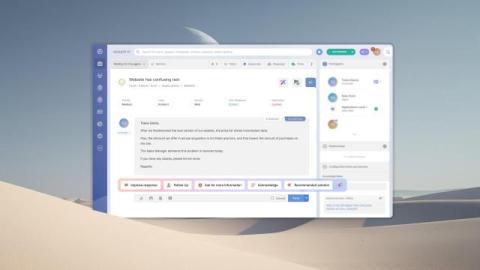
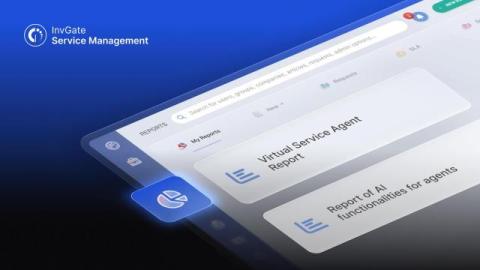
Introducing AI Analytics Reports in InvGate Service Management

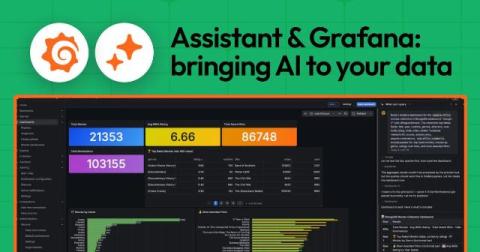
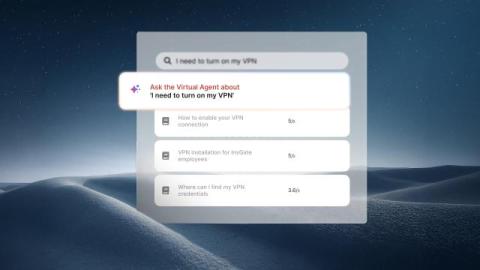
Most teams can confirm their AI features are turned on. Measuring how often employees use them, which requests get resolved without agent intervention, and where AI is helping support teams work more efficiently is a different question. In InvGate Service Management, those capabilities live in AI Hub, a set of built-in AI features that includes the Virtual Service Agent, AI-assisted ticket resolution for agents, automated knowledge generation, and more.

Observability for LLM Apps and Agents: OpenLIT SDK + VictoriaMetrics observability stack

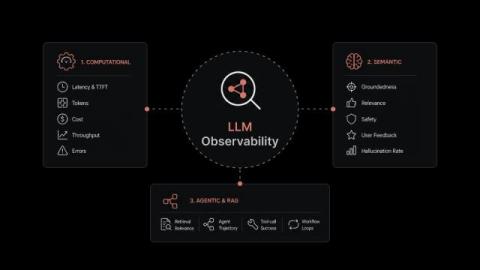
Many “LLM observability with OpenTelemetry” tutorials stop at a single chat.completions span. That works for a demo, but it leaves gaps once an agent fans out into 30 tool calls, two vector-DB queries, three handoffs, and a 90-second tail latency you need to attribute. This post wires the OpenLIT SDK (50+ instrumentations, OTel GenAI semantic conventions, one line of code) into the full VictoriaMetrics observability stack and shows query examples that turn agent telemetry into decisions.

Six AI agent SDKs for enterprise Kubernetes, compared

There’s a question we hear constantly from platform and engineering leaders right now, “which agent SDK should we standardize on for our Kubernetes clusters?” The honest answer is that the question is slightly wrong, and the rest of this post explains why. But it’s a fair question, so let’s compare the contenders first.

AI Summary Agent in Turbo360

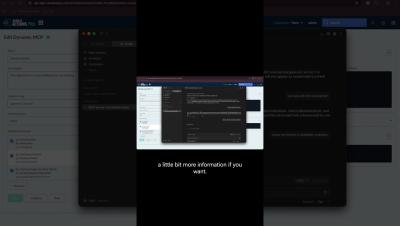
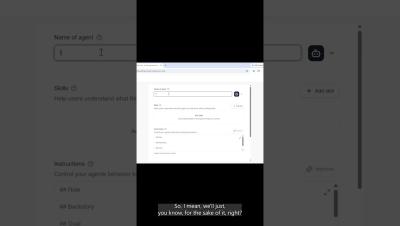
Handed over an Azure integration environment you've never seen before? Turbo360's AI Resource Summary agent gives any support operator or engineer an instant plain-English overview of what a resource is, how it behaves, and what to watch out for - without needing to ask the developers. In this demo: Great for: IT operations teams, MSP NOCs, cloud support engineers, and anyone responsible for running integration workloads they didn't build.

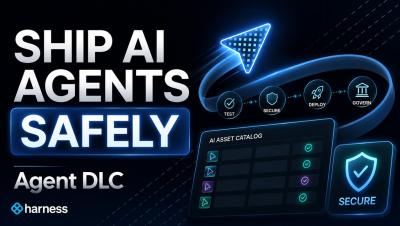
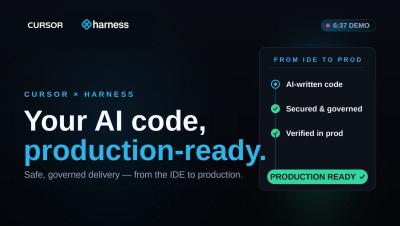
Prepare for the EU AI Act with Harness AI Security | Harness Blog

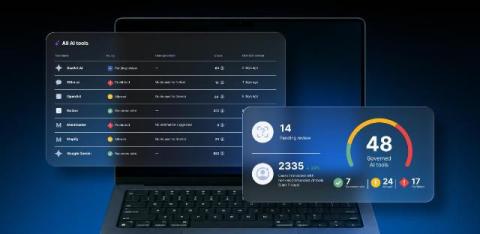
Harness AI Security provides a unified control plane for AI discovery, risk visibility, and runtime protection, helping organizations operationalize key requirements of the EU AI Act. Instead of relying on manual audits or fragmented tooling, teams get continuous insight into how AI systems are built, exposed, and used, along with the evidence needed to demonstrate compliance.

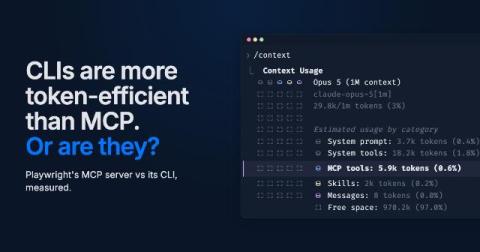
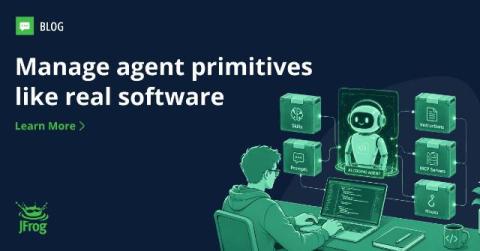
ACP vs MCP: What's the difference for agentic coding?

An AI coding agent holds many conversations at once. Not only is the user prompting it, the agent also talks to the IDE, showing diffs and asking before it touches a file. At the same time it talks to tools, pulling a failing build or querying a database. Two open protocols standardize those conversations. This guide compares ACP vs MCP in practical terms: what each protocol does and when each applies. ACP (Agent Client Protocol) connects a code editor to an AI coding agent.

Why Faster Recovery Beats Faster Shipping in the AI Era

A year ago, AI coding tools worked alongside developers—suggesting the next line, completing a function, accelerating work that a human was already doing. Today, they’re writing entire modules and services independently, producing code that no human has reviewed line by line, built from components that no single person has fully mapped. And adoption is only accelerating: According to our recent AI Resilience Survey, 84% of organizations are now using AI to write, review, or suggest code.

Right Size Your Model Usage with Valkey and Semantic Routing

Benchmarks keep showing that picking the right LLM is hard. The easy answer is "just use the most powerful one." That works, but it is pricey. A small, cheap, or local model can handle many simple requests just as well as a frontier model, for a fraction of the cost. That is what semantic routing is for. Use middleware that looks at an incoming request and decides which model should answer it.

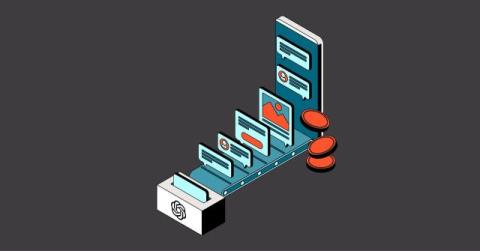
OpenAI API cost calculator: estimate your GPT spend before it estimates you

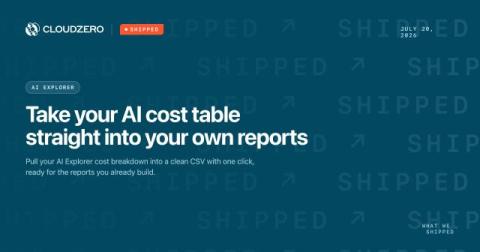
This OpenAI API cost calculator (also an AI inference calculator for o3/o4-mini thinking tokens) estimates your monthly OpenAI API pricing bill from three inputs: model, request volume, and average tokens per request. Toggle between standard, batch, and cached pricing and get your number in seconds. It also shows what the same workload costs on Claude and Gemini. For the full per-model rate card, see CloudZero's OpenAI API pricing guide.

Why Most AI Pilots Never Reach Production

Most AI initiatives never make it out of the pilot stage. Gartner has forecast that 30% of generative AI projects will be abandoned after proof of concept by the end of 2025, undone by poor data quality, weak controls, unclear business value, and escalating cost. The problem predates the current wave of generative tools. RAND's study of experienced practitioners found that more than 80% of AI projects fail, roughly twice the rate of IT projects that carry no AI component.

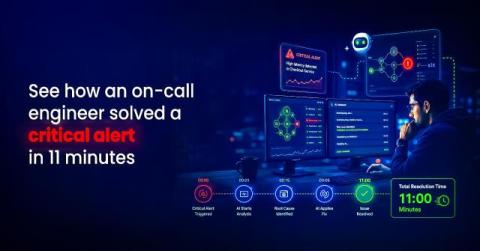
How Agentic AI speeds up troubleshooting application issues

One night, Daniel Rizzy was the only person awake on Zylker’s IT team, and the clock was already running. He was also the only thing standing between a P1 outage and 10,000 customers. Rizzy works nights for ZylkerXchange, Zylker’s foreign currency exchange app. He lives on the city’s outskirts, where the air is clean and quiet, and the night shift suited that life. Most nights, nothing happened. Some nights, everything did.

The Future of Digital Experience in Companies: What Changes with DEX, AI, and the Employee at the Center

For decades, companies measured IT efficiency through technical indicators: servers up, systems online, equipment working. But does that actually mean a good experience for the people doing the work?

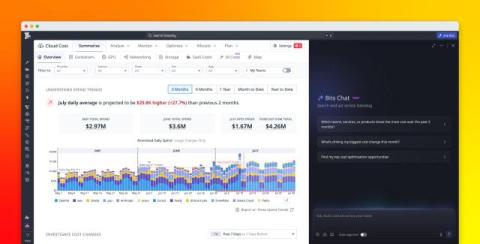
Don't 'control' your AI spend. Understand it and be intentional.

There’s a good interview making the rounds. BizTech sat down with IBM’s James Stevenson to talk about how financial institutions can get a handle on cloud and AI costs. The advice is solid: get visibility, kill idle resources, tighten governance, tag everything. And pull finance and engineering into the same room. I don’t disagree with it. But I read the whole piece and noticed where the gravity pulls: control costs, reduce waste, bring down spend. The headline says it (‘Q&A.

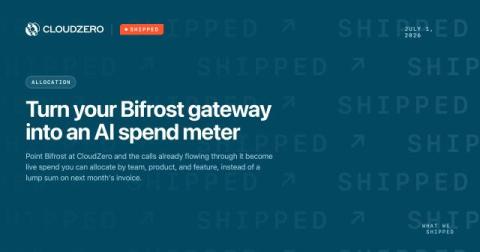
Shipped: Turn your Bifrost gateway into an AI spend meter

If you route model traffic through Bifrost, you already have the hard part: one place every AI call passes through, where the model, the tokens, and the cost are visible on the way past. It’s the cheapest spot in your stack to measure AI spend. What’s missing is everything downstream – today that usage only becomes “spend” weeks later, when the provider invoice lands as a lump sum you can’t break apart.

AI Tool Sprawl Is Killing Enterprise ROI | Why Orchestration Matters More Than AI Features

Enterprise AI adoption is accelerating, but are organizations actually solving business problems or just adding more tools? In this episode of Agents of IT, Fran Fernandez (Chief Product Officer at Resolve) and Zach Austin (Director of Product Marketing) explore one of the biggest challenges facing enterprise IT in 2026: AI tool sprawl. They discuss why many organizations struggle to demonstrate ROI from AI investments, how disconnected AI assistants create operational complexity, and why orchestration, automation, and context have become the real differentiators for enterprise AI success.

Reading the agent traces is how you make the call your eval can't

Remember being excited (or dreading, depending on the stage of your career and the company you worked at) about writing unit tests? Or sweating all the details in your end-to-end and integration tests you were sure covered all the use cases your users would hit? These days a lot of UIs are slowly being replaced by a single input field and an agent that promises to deliver the same value a UI would, but with the elegance and pun-ness of a “Jarvis”.

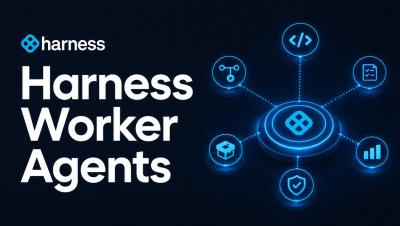
Harness Agents

Today, we're launching Autonomous Worker Agents, AI agents that run as governed pipeline steps inside Harness. They inherit OPA policies, RBAC, audit trails, and scoped credentials from the first run. And because they live inside your Harness pipelines, they reason using the Harness Knowledge Graph: your services, deployments, incidents, and policies.

AI Agents Write Broken Code 49% of the Time #speedscale #AI #Coding #Tech #DevOps

AI agents write broken code nearly 50% of the time. By adding a traffic-based deterministic evaluation, Speedscale boosted unsupervised bug-fixing quality from 51% to 77% in just 5 minutes. This helped slash token costs and eliminate rework without human intervention. Learn more: speedscale.com.

LogicMonitor and Edwin AI: Autonomous IT for Hybrid IT Environments

Autonomous IT starts now with LogicMonitor and Edwin AI, built to help IT teams monitor complex hybrid IT environments, discover root cause faster, reduce downtime, and prevent incidents before they impact revenue or brand reputation. See how LogicMonitor brings AI-powered IT operations, observability, and incident prevention together for modern infrastructure teams.

How AI Agents Are Changing Each Agile SDLC Phase

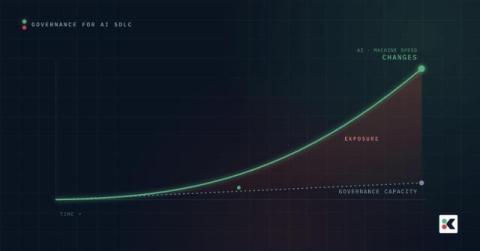
The Agile software development lifecycle was designed to surface problems early, with short sprints, iterative testing, and continuous integration built on the premise that faster feedback loops produce better software. AI coding tools have changed the velocity equation across every phase of that loop, but the phases designed to catch failures are struggling to keep up because build speed and validation capacity have not accelerated at the same rate, and the gap between them is widening with every sprint.

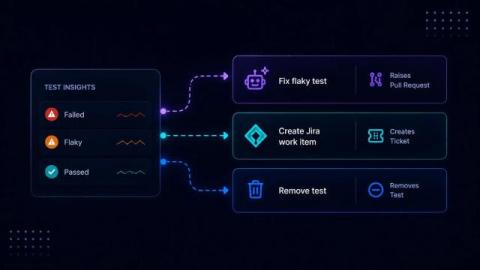
Fix flaky tests with AI, and track future test work in Jira

In January we launched Tests in Bitbucket Pipelines – a single place to track, organize, and understand your test health over time. In April we added automatic flaky test detection so unreliable tests get flagged before they slow your team down. But spotting a problem is only half the battle. Day to day, your team still needs to act on a test – track it as work, clean it up, or route it to the right person.

PagerDuty agent app in GitHub

PagerDuty's agent app shows live incident state, incident history and change correlations inside GitHub so you can get context right within your PR without interrupting your flow. Automatically correlate incident data with recent commits and deployments to identify root causes, then generate fix PRs with proper incident linking.#IncidentResponse.

PagerDuty agent app in GitHub: incident context where you already work

This blog post is part of PagerDuty’s ongoing series on how we’re helping customers navigate their journey toward autonomous operations. Read on to learn about the PagerDuty agent app in GitHub (Early Access) and how it builds toward this vision. How many tabs do you have open right now? And how many more do you open the moment an incident hits? Context switching during incident response is one of the most persistent sources of toil in engineering.

AI Orchestrations: Your easy button for proactive operations

This blog post is part of PagerDuty’s ongoing series on how we’re helping customers navigate their journey towards autonomous operations. Read on to learn about how AI Orchestrations builds towards this vision. “We should automate this.” Sound familiar? For many operations teams, that sentence never becomes action. Building event orchestration rules demands deep platform expertise, time no one has, and the ability to spot which patterns in your data actually matter.

The Next Enterprise AI Challenge: The Multi-Model Workplace

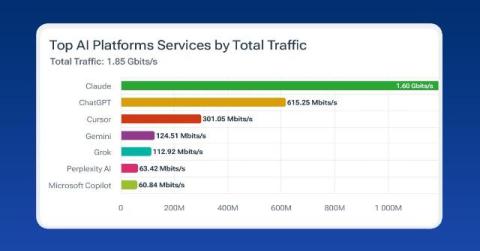
For the last two years, enterprise AI strategy has largely focused on one thing: adoption. Organizations encouraged employees to experiment with ChatGPT, Claude, Copilot, Gemini, and dozens of emerging AI tools in the hope that productivity gains would naturally follow. CIOs approved pilots, departments launched AI task forces, and leaders pushed teams to integrate AI into everyday work as quickly as possible. But the enterprise AI conversation is beginning to change.

How Datadog uses AI to build internal software delivery tools and improve system performance

At Datadog, we want our developers to become better at using AI tools with the end goal of building quality software, faster, that generates real value. This includes not only the products and features that our customers use, but also the internal tools that help keep our workflows running smoothly behind the scenes.
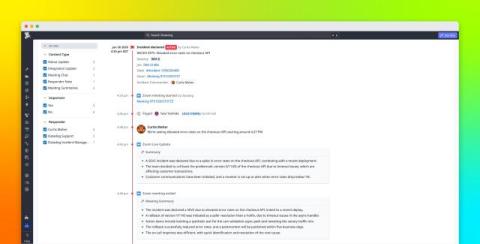
Accelerate investigations with AI in Datadog Incident Response

Engineering teams spend much of their incident response time investigating the problem and coordinating the response. Both tasks become harder when telemetry data lives in one place, deployment history is stored in another, and conversations unfold across chat channels and incident bridges. Responders often spend the first part of an incident rebuilding context before they can begin testing hypotheses and working toward resolution.

GLM-5.2 Review (2026): Zhipu AI's Open-Weight Coding Model, Honestly Assessed

Zhipu AI (now operating internationally as Z.ai) shipped GLM-5.2 in mid-June 2026, and the claim that grabbed attention was blunt: an open-weight model that beats GPT-5.5 on several long-horizon coding benchmarks for roughly one-sixth of the cost. It's an MoE model with 753 billion total parameters released under an unrestricted MIT license, which means you can self-host it or call it through a managed endpoint.

How One AI-Localized String Broke Our Build and Cost Me $6,000 (And What I Do Differently Now)

The string that broke our last release was four words long. It passed review, went green in the build, and shipped to our German locale with a corrupted placeholder that turned the checkout button into a runtime error. Customers there could not complete an order for most of a Saturday before a screenshot reached me. The broken button cost us roughly $6,000 in lost orders that weekend; the fix itself took ten minutes. What I do differently now started with understanding why it happened.


Making Testing Smarter: How AI in testing automation Supports Continuous Change

Selecting a freight forwarder in 2026 is no longer just about getting goods from point A to point B. You now need a partner that can handle customs clearance, protect delivery timelines, provide transparent shipment updates, and help you understand how sustainable your supply chain is. It matters when disruption to supplies, expectations of customers, and reporting on the environmental impact of operations all sit with one team managing operations.