Operations | Monitoring | ITSM | DevOps | Cloud

Incident Management System: What It Is and How to Choose One

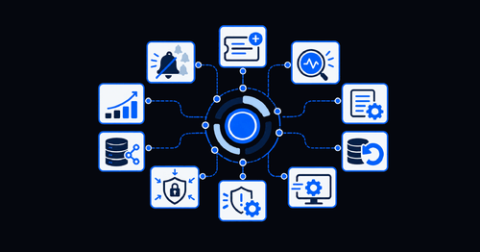
An alert fires. A ticket opens. Someone gets paged. Then the real work begins: gathering context, finding the affected service, deciding who owns the issue, running diagnostics, applying a fix, validating recovery, and documenting the result. Many IT teams assume that an incident management system is simply the application that opens and tracks the ticket. That is part of the job, but it’s not the whole operating model.

Service Desk vs. Help Desk: What's the Difference (and Where Does ITSM Fit In)?

A help desk is the front-line function that receives user issues and requests, records them, provides basic troubleshooting, and routes unresolved work to the appropriate specialist. Its goal is to restore user productivity quickly. Typical help desk activities include: The work is usually tactical and reactive. A user cannot connect, open an application, or complete a task, so the help desk responds.

How Automated Low Disk Space Remediation Closes the Loop

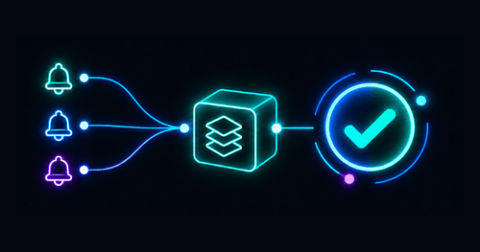
Low disk space remediation is the process of diagnosing storage consumption, safely recovering capacity, and confirming that the affected system and its dependent services are healthy. Automated remediation begins when a monitoring or AIOps platform detects a threshold breach and triggers a governed workflow.

5 Step Workflow for a Zero-Downtime Load Balancer Reboot

A load balancer reboot is planned maintenance that restarts each device in a high-availability pair without intentionally interrupting service. A safe automated workflow verifies health and synchronization, restarts the standby device, confirms its recovery, performs a controlled failover, restarts the remaining device, validates traffic, and records the outcome.

Why Your Help Desk Knowledge Base Isn't Reducing Tickets

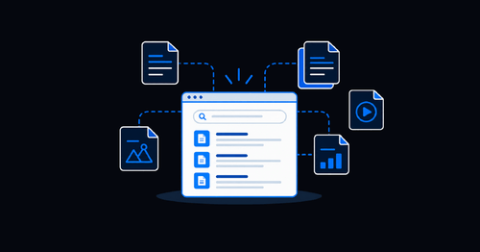
The help desk knowledge base has hundreds of articles. Search traffic looks healthy, and employees are reminded to try self-service first. Yet ticket volume barely moves. That gap appears when a knowledge base is measured as content instead of ticket prevention. Article counts, page views, and searches can rise while the queue remains busy. None proves that an employee received a trustworthy answer before filing a ticket.

How to Build an HR PTO AI Agent with Resolve Agent Lab

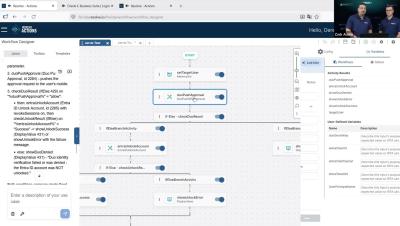
See how to build an HR PTO agent with Resolve Agent Lab. In this Resolve Reels demo, we create a purpose-built AI agent by adding automation skills, instructions, conversation starters, and guardrails. The agent can answer PTO questions, check balances, account for calendar conflicts, and submit requests through systems like Workday or ADP. See how Resolve helps teams build AI agents that take action across enterprise systems.

How Is AI Changing IT Operations? Building Production-Ready AI Agents with Alex Zinovy

How is AI changing IT operations, and what does it take to move AI agents from impressive demos to production-ready systems? In this episode of Agents of IT, Resolve’s Zack Austin sits down with Alex Cinovoj, Founder and CTO of TechTide AI, to explore what enterprise AI looks like when it has to work in the real world. Alex brings years of hands-on IT, infrastructure, DevOps, and AI engineering experience to a conversation about the shift from experimenting with AI to building trustworthy systems that deliver measurable outcomes.

Major Incident Management: A Playbook for I&O Teams

It's 2 a.m. Monitoring alerts are firing, the on-call engineer is being paged, and customer reports are arriving faster than anyone can triage them. A bridge call opens. Infrastructure, network, application, and service desk teams hop on with different fragments of context. Meanwhile, executives want to know the scope, customer impact, and expected recovery time. This is not the moment to decide who is in command or how often updates should go out.