Operations | Monitoring | ITSM | DevOps | Cloud

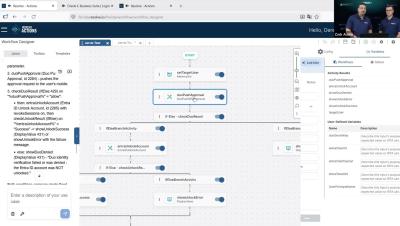
Resolve's Agents of IT podcast - Ep. 17 - Agentic Workflows to Performance Intelligence

In this episode of Agents of IT, Ari Stowe sits down with Geoff McQueen, four-time founder and CEO of Ascendius, to unpack what it takes to navigate AI-driven disruption. Geoff shares a clear framework for where automation is headed, from individual AI use to agent-driven workflows to AI embedded across the business. Most organizations are still early. The real opportunity is in making AI work at the business level.

8 Signs Your Service Desk Automation Tool Has Become the Bottleneck

Most service desk automation problems get misdiagnosed. You see the ticket backlog, the manual work, and the slow incident response, and assume the issue is due to process, adoption, or staffing. But at some point, the math stops working. You’ve invested in a service desk automation tool, given it time to mature, built workflows around it, and the results still don’t match what was promised.

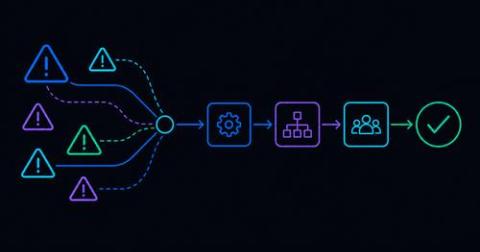
The 5 Types of Service Desk Automation Platforms and What Each One Actually Does

Shopping for a service desk automation platform feels like it should be straightforward. It isn't, and the reason is that the language vendors use masks how differently these platforms actually behave once they're live. Every platform claims that they automate more, resolve faster, and reduce ticket volume. That’s a given.

Resolve's Agents of IT podcast - Ep. 16 - Can AI Fix Broken Work Without Breaking Security?

In this episode of Agents of IT, host Ari Stowe sits down with producer Ian Coppock for a fast-paced, no-filter discussion on one of the hottest topics in enterprise tech: AI, security, and the reality of modern work. Is AI introducing new security risks, or just exposing the ones that were already there? The answer is both. From overprivileged access to machine identities, Ari and Ian break down what’s actually changing and what isn’t. They challenge the idea that AI alone will fix broken workflows and explore why intentional design, guardrails, and orchestration matter more than ever.