Operations | Monitoring | ITSM | DevOps | Cloud

How SGP.32 unlocks next-generation IoT deployments

Every time a smart utility meter transmits consumption data, a connected vehicle updates its telemetry, or a fleet of logistics trackers crosses international borders, seamless and uninterrupted connectivity is vital. Yet for years, managing Internet of Things (IoT) devices at scale has been constrained by physical SIM logistics, operator lock-in and remote SIM provisioning standards that were simply never built for autonomous, resource-constrained hardware.
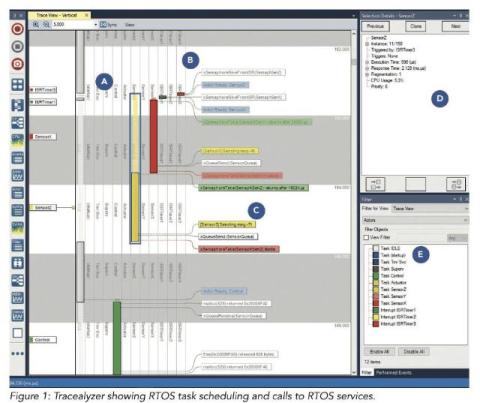
Debugging an Autonomous Underwater Vehicle with Tracealyzer

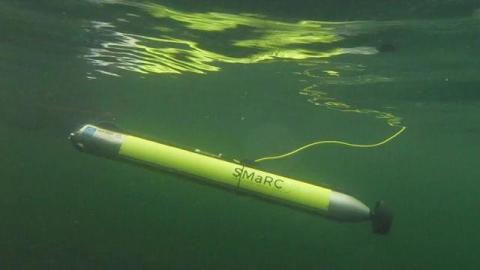
By Max Johansson, Vehicular Systems, Linköping University An AUV shown for illustration. Photo by Swedish Maritime Robotics Centre (SMaRC). At KTH, the Swedish Maritime Robotics Centre (SMaRC) is continuously developing an autonomous underwater vehicle (AUV) as a research platform for studying underwater environments. The AUV has traditionally been powered by batteries, but adding a fuel cell can extend its operating range.

How Connected Equipment Data Helps Teams Catch Problems Earlier

An undetected equipment fault can escalate into costly downtime or an emergency repair. Connected equipment data can help IT operations teams catch problems earlier, while they're still minor. Your results depend on how telemetry moves from device to platform, how baselines define normal behavior and how alerts reach the right maintenance personnel.

The CRA Paperwork Is Not the Point

The first CRA deadline is behind us. Now comes the opportunity to solve the engineering problem underneath it. When I worked with connected appliances at Electrolux, I learned something that is obvious to customers but sometimes less obvious to product organizations: Release day is not the end of product development. In many ways, it is the beginning of the longest and most unpredictable part of the product lifecycle.

From Code to Runtime: Hands-On Zephyr RTOS Debugging at Microchip MASTERs 2026

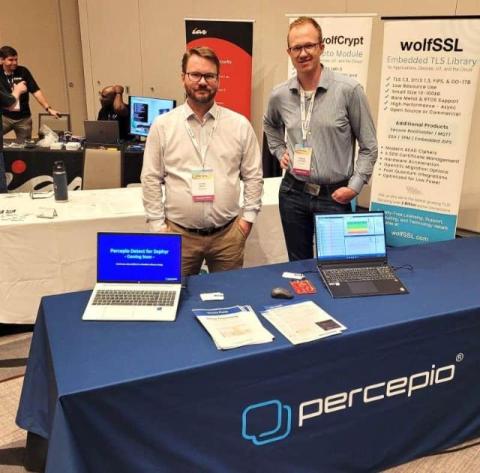
Johan Kraft introduces Percepio Tracealyzer during the hands-on Zephyr RTOS debugging class at Microchip MASTERs 2026 in Phoenix. Microchip MASTERs 2026 brought embedded developers together in Phoenix for several days of technical training, hands-on learning and conversations around the challenges engineers are solving every day. Percepio was there, with Founder and CTO Johan Kraft and Product Lead Andreas Klintemyr joining the Microchip community to meet developers, customers and industry partners.

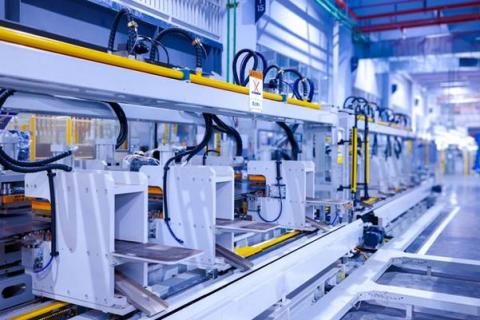
Advancing Semiconductor Manufacturing Through Intelligent Equipment Communication

In semiconductor manufacturing, reliable communication between production equipment and host systems is essential for maintaining efficiency, automation, and process consistency. As manufacturing environments become increasingly complex, standardised communication technologies have become critical in ensuring that equipment from different suppliers can operate together effectively. If you're looking to improve equipment connectivity and automation, explore solutions from SECS/GEM software providers to support reliable communication between manufacturing equipment and host systems.

Security Camera Local Storage vs Cloud Subscriptions for Homeowners

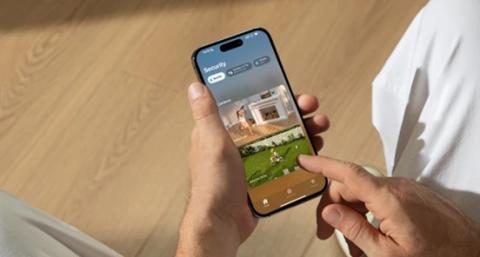
If you want privacy and no monthly fees, choose local storage. If off-site backup matters most, choose cloud. If you need both, use a hybrid setup. Since people want to supervise their houses, check the driveway, and keep an eye on their backyards, they tend to buy a security camera to help them. But once the cameras are installed, a new problem quickly emerges: where exactly are all the recorded videos stored? This is precisely where the choice between local storage and cloud storage subscription plans for security cameras has a critical impact.

The Growing Link Between Smart Tech and Real-World Accountability

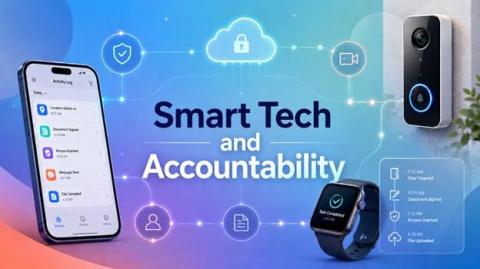
Smart devices are no longer just helping people unlock doors, track steps, pay bills, manage work, or receive alerts. They are creating records. A doorbell camera can confirm who entered a property. A smartwatch can show when movement suddenly stopped. A workplace app can reveal who approved a task. A delivery platform can prove when an order changed hands. A cloud dashboard can show who accessed a file. Smart technology is turning ordinary actions into traceable events, and that is changing how accountability works in daily life.