Operations | Monitoring | ITSM | DevOps | Cloud

What Is the Harness Software Delivery Agent? | AI-Powered CI/CD Explained

What is the Harness Software Delivery Agent? Harness Software Delivery Agent is an AI-powered software delivery solution that helps teams automate CI/CD pipelines, infrastructure workflows, deployments, and troubleshooting, moving code from commit to production while enforcing existing policies and approvals. In this video, we explain how Harness Software Delivery Agent works and how it helps DevOps teams, platform engineers, and developers automate software delivery.

Unified API Inventory reduces the time to patch with cross-source correlation

Cross-source API correlation connects runtime findings to their code, documentation, and fixes for improved defense against machine-speed attacks. It's late on a Thursday, and a runtime alert fires on POST /api/v2/payments in production. The finding is clear. What happens next is not. In fact, it creates a host of questions to be answered: Every AppSec team knows this hunt. And every day spent hunting for the right repo and owner is a day the attacker can still exploit a vulnerability.

Get Ship Done: Everything We Shipped in October 2026

Harness October 2026 Updates: 150+ Features, Cosmos, FedRAMP 20x This Month's Biggest Ships: The shipping velocity at Harness skyrocketed. Harness shipped 150+ features in October, one about every 5 hours across 31 days! October's list covers both ends: code creation and software delivery. The biggest ship is Cosmos, a new agent that takes engineering work from ticket to pull request. The rest carries that pull request to production and keeps it safe.

The Binance Breach Wasn't a Crypto Failure: It Was a Trust Failure

Explore how the $6.36B Binance breach exposed critical gaps in identity, DevOps, and signing security - and what engineering teams can learn from it. The October 29, 2026 theft from Binance is best read as a failure of identity and release-path trust, not a failure of cryptography. Binance's early findings point to a compromised DevOps engineer's laptop that gave an attacker a route into a service container and the ability to submit unauthorized withdrawals.

Who Really Screwed Up the PHP2Shell Security Crisis?

The PHP2Shell vulnerability triggered a massive cybersecurity crisis. But the real story isn't just about the PHP security flaw. It's about who broke the rules, who was responsible, and whether one controversial decision made everything worse. In October 2026, researchers uncovered critical PHP vulnerabilities (CVE-2026-109618 and CVE-2026-109619) that threatened websites and applications across the internet. As security teams scrambled to prepare patches, the coordinated disclosure process began falling apart.

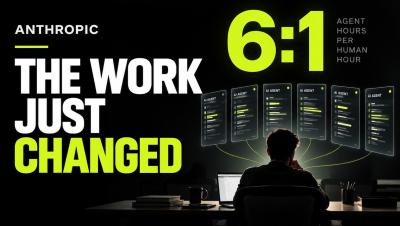
What Anthropic's 6:1 AI Work Ratio Means for Every Business

Anthropic's AI agents are logging 6x more hours than the humans directing them. Is this the beginning of a fundamental shift in how businesses operate? New data from Anthropic reveals how AI agents are transforming the workforce, accelerating software development, and changing what employees actually do every day. But the biggest story isn't just AI productivity. It's what happens next.

Compliance Exists Because Security Failed?

What if compliance and audits are actually symptoms of a bigger security problem? Neil Watkins from Burns & McDonnell challenges traditional security and compliance processes, explaining how automation and continuous compliance can help organizations deploy software faster while collecting real-time evidence that security controls are working. The future isn't just about passing audits. It's about proving compliance continuously, without relying on manual inspections.

How AI Is Changing Cybersecurity and Exposing Decades of Bad Code

Was this the worst week in cybersecurity? AI-discovered PHP2Shell vulnerabilities, the LiteLLM supply chain attack, and reports of unauthorized AI agents accessing bank accounts are exposing serious weaknesses in software security. But is this really a cybersecurity problem, or has AI exposed decades of poor software engineering decisions? In this episode of ShipTalk, Martin Reynolds and Adam Arellano break down a remarkable week in AI security and debate whether engineering or security teams should be responsible for fixing what comes next.

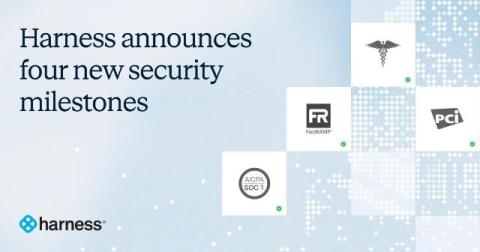
Announcing SOC 1, FedRAMP 20x Class A, PCI, and HIPAA Milestones At Harness

Explore Harness' latest compliance milestones: SOC 1, FedRAMP 20x Class A, PCI DSS, and HIPAA assessments across its platform and runtime security. Harness announced four compliance milestones: its first SOC 1 audit, FedRAMP 20x Class A certification, and first PCI DSS and HIPAA Security Rule assessments. SOC 1 and FedRAMP 20x Class A apply to the Harness Autonomous SDLC Platform. PCI DSS and HIPAA apply to the Runtime Protection Agent.

Can Big Tech's $200 Billion AI Bet Pay Off?

China’s AI and chip stocks have fallen sharply, raising a bigger question: could the same thing happen in the U.S.? With Microsoft, Alphabet, and Amazon reporting earnings, investors are looking for signs that cloud growth can justify the enormous sums being spent on AI. Is this a warning for the U.S. market, or can Big Tech’s AI investments deliver the growth investors expect?