Operations | Monitoring | ITSM | DevOps | Cloud

Engineer Gleb Lesnikov on Why Splitting a Monolith into Microservices May Sink Your Business

Gleb Lesnikov has been developing the system behind Dodo Pizza, an international fast-food chain, since joining the company in 2015. Over the years, the local business turned into a company running over 1,600 restaurants. When Dodo expanded rapidly, Gleb had to take key technical decisions that allowed the company to scale and succeed. Looking back, he reflects on the period when the company moved to a microservices architecture and explains how he managed to solve problems that could have caused the company to collapse.

DRIVE Deep Dive: Vigilance

This is the fourth post in our DRIVE Deep Dive series. Over the coming weeks we're examining each pillar of the DRIVE framework in turn. For the complete model, download the full DRIVE framework. Our last post covered Initiatives. Up next: Efficiency. The bottleneck on writing code is gone, and the industry is responding the way it always does when a constraint disappears: by producing more.

How to Trace Microservices WITHOUT OpenTelemetry

Learn how to trace complex multi-hop transactions across microservices when OpenTelemetry isn't available or trace parents get lost. This quick tutorial demonstrates how to use full-text search in proxymock (a free CLI and UI tool) to isolate user journeys (like looking up a specific username) and instantly generate waterfall tracing views. Whether you are working locally or in a Kubernetes cluster, you can record API traffic, visualize multi-hop requests, and easily transition those captures into load or regression tests.

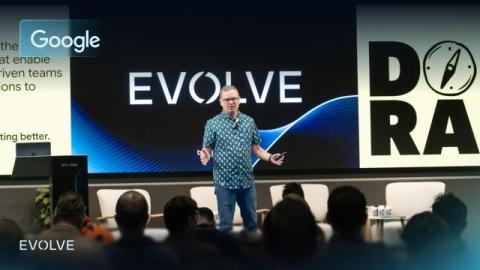
DORA measures delivery. DRIVE measures the organization behind it.

You can hit every DORA target and still be losing ground. Deploy frequency up, lead time down, change failure rate and MTTR both healthy, but underneath it could be hiding an organization slowly getting worse at turning work into reliable software. New services shipping without clear owners, an attack surface widening faster than anyone is tracking, on-call rotations quietly filling up, a migration that was supposed to close last quarter still limping along.

DRIVE Deep Dive: Reliability

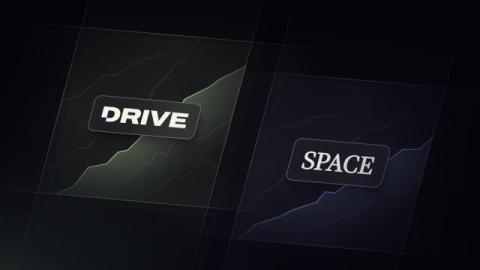
This is the second post in our DRIVE Deep Dive series. Over the coming weeks we're examining each pillar of the DRIVE framework in turn, and mapping DRIVE against the frameworks engineering leaders already run on, including DORA and SPACE. For the complete model, download the full DRIVE framework. Our last post covered Delivery. Up next: Initiatives. --- AI has removed the last real constraint on producing code, and organizations are shipping more of it than ever.

Cortex catalog data now flows into Rootly

Incident response is a context problem. The first minutes of any incident are spent reconstructing what the affected service is, what it depends on, and who owns it. That reconstruction happens during the worst possible window. The Cortex catalog already holds this data: services, teams, domains, and the relationships between them, maintained by the engineers who run those systems.

What is an AI software factory?

Ask a software engineer what they do and the answer, for years, has been some version of "I write code." That assumption is unwinding fast. AI agents can now write code, review pull requests, run tests, and ship to production, and they're taking on a fast-growing share of that work. As agents absorb more of the execution, the human role shifts.

So you need to add microcontrollers to your fleet: now what?

Your Ubuntu Core fleet is running beautifully. OTA updates roll out in minutes. Every device is strictly confined, cryptographically attested, and carrying a 10 to 15 year long term support (LTS) commitment. The operational team sleeps soundly. Then the product roadmap meeting happens. The industrial floor needs vibration sensors on every motor. The smart building needs temperature nodes in every room. The cold chain system requires dozens of low-power Bluetooth tags. And someone just said the words.