Operations | Monitoring | ITSM | DevOps | Cloud

Sponsored Post

Monitoring Cloud Foundry in SAP Business Technology Platform (BTP)

Cloud Foundry is possibly the most popular environment on SAP Business Technology Platform. When customers build applications with the SAP Cloud Application Programming (CAP) framework to extend SAP S/4HANA solutions and achieve a clean core, they typically deploy using Cloud Foundry. After the applications on Cloud Foundry go into productive use, they become business critical and that creates a need for observability in those applications and the platform. Monitoring of Cloud Foundry is now an essential requirement of SAP operations teams.

Sponsored Post

How to Quickly Analyze CloudFront Cloud Logs in Amazon S3

Content delivery networks (CDNs) such as Amazon CloudFront generate a flood of log files. In today's world where your customers are all around the globe, it's important to make sure that your websites' application assets are as close to the users as possible.

DigitalOcean Vs. AWS: Which Solution Offers The Best Value?

Whether you’re a startup looking for simplicity or an enterprise needing high-performance scalability, this guide breaks down the key differences between DigitalOcean vs. AWS — pricing, features, use cases, and more. We’ll start with a quick overview of each provider. And, right away, you’ll notice their different focus areas, target customers, and what makes each platform unique.

Improving Resilience for GenAI Workloads on AWS

GenAI can do incredible things, but like any technology, its success depends on how we implement and use it. Without proper implementation, GenAI failures can pose significant risks to your organization's reputation and customer trust, leading to real financial impact. And like any other application, regulatory rules, SLAs, and reliability standards still apply to GenAI. With more companies integrating GenAI into their systems and products, it’s essential to make sure GenAI workloads and applications are highly available to deliver an exceptional user experience.

The 5 Reasons to Buy (And Not Build!) Your Cost Optimization Solution

"Why buy a cloud cost optimization solution when I can just build it myself?" Here at Pepperdata, we often hear this question. Many of our prospects and customers have gone to great lengths implementing various optimization strategies and solutions to mitigate the cost of their cloud or on-prem data centers. These homegrown solutions might include monitoring tools, manual or automated instance rightsizing initiatives, enabling autoscaling, and application tuning.

CloudFront on AWS: Basics & Setup Guide

Some websites load in a snap, while others make you wonder if the internet is broken. The difference? Often, it comes down to how (and where) their content is served. A Content Delivery Network (CDN) helps by storing copies of your content in multiple locations worldwide, so users don’t have to wait for a distant server to respond. If you're on AWS, CloudFront is the built-in way to do this—helping speed things up while also handling security and traffic optimization.

How to Build Your Financial Cloud Analysis with Tidal Accelerator

Ever wondered why some companies see significant cost savings on their cloud investments while others struggle? Success depends on a well-structured financial analysis. Many organizations focus only on migration costs, missing the bigger picture—cloud adoption isn’t just about moving workloads, it’s about financial efficiency and long-term value. Without the right financial framework, businesses risk overspending, poor resource allocation, and underwhelming ROI.

The 8 Hidden Pitfalls of Using AWS CloudWatch

AWS CloudWatch is a widely used observability tool that comes built into AWS. It provides easy access to logs, metrics, and alarms, making it a convenient choice for teams monitoring AWS workloads. But while CloudWatch offers a lot of power, many teams unknowingly misconfigure or misuse it, leading to unexpected costs, limited visibility, and operational challenges. Here are some common pitfalls we see—and how to avoid them.

10 Reasons Why Tech Companies Need StatusGator

Reliance on cloud services for infrastructure, collaboration, and seamless operations continues to grow. With organizations investing heavily in cloud infrastructure, Statista projects that the global public cloud computing market will reach $127 billion. As a result monitoring solutions have become indispensable. A well-monitored cloud environment helps reduce downtime, prevent revenue loss, and ensure smooth business operations.

The 5 Reasons to Buy (And Not Build!) Your Cost Optimization Solution

"Why buy a cloud cost optimization solution when I can just build it myself?" Here at Pepperdata, we often hear this question. Many of our prospects and customers have gone to great lengths implementing various optimization strategies and solutions to mitigate the cost of their cloud or on-prem data centers. These homegrown solutions might include monitoring tools, manual or automated instance rightsizing initiatives, enabling autoscaling, and application tuning.

How to Monitor Azure Cloud Services with Grafana Cloud | Demo | Observability | Grafana Labs

Microsoft Azure Cloud monitoring has never been more streamlined! In this video, Vasil Kaftandzhiev, Product Manager for Cloud Provider Observability in Grafana Cloud, walks you through how easy it is to monitor Azure Cloud Services with Grafana. With out-of-the-box dashboards, you can instantly visualize key metrics for essential Azure services like: API Gateway Queue Storage Virtual Machines Log Storage Events Hub Network Load Balancers SQL.

What Is The Best Cloud Storage For Small Business?

Cloud storage for small businesses offers a scalable and more affordable method to store files without relying on local storage. However, given the many options available, if you’re wondering what the best cloud storage is for a small business, this article will give you detailed insights into the importance of cloud storage and how it can help your small business manage your data securely and privately.

Getting started with Azure cost dashboards

As an Azure admin, it is of critical importance that you keep an eye on how much cost you are incurring running your workloads in the cloud. You also want to have sight of any deployed resources that are not contributing to business and accumulating cost over time. Using a dedicated Azure plugin, SquaredUp dashboards will help you understand your Azure costs across services, resources, locations and apps – so you can keep tabs on how much you're spending and identify opportunities to save costs.

Integrating Google SecOps with Bindplane February 2025

Google SecOps (formerly Chronicle) is Google Cloud’s security operations platform (SIEM) that helps you detect, investigate, and respond to cybersecurity threats. Integrating Bindplane enables an easy way of standardizing how you efficiently collect, process, and forward security-relevant data to Google SecOps. In this live workshop you’ll get a hands-on demo of how to configure log collection with the Bindplane Distro for OpenTelemetry Collector, and best practices for data standardization using open standards and OpenTelemetry.

Webinar | Eliminate downtime and uncertainty with a smarter solution

Discover how the right PaaS can reduce your IT team's stress, keeping them focused and well-rested. Join us for a transformative online session where we will discuss: Why IT leaders are moving away from hosting providers that keep them in the dark. How to scale and optimize infrastructure without adding complexity. How choosing the right platform allows your IT team to stay focused, productive, and well-rested.

10 AWS Cost Monitoring Tools To Analyze And Save In 2025

AWS cost monitoring tools enable you to track your resource consumption and costs associated with running operations on the AWS platform. These tools vary in capabilities but typically offer customizable reporting, dashboarding, data analytics, built-in automation, and cost alerting. Keep in mind that AWS monitoring differs from AWS management in that monitoring provides usage and cost data without necessarily offering optimization tools.

The challenges of agent-based monitoring for cloud virtual machines and how to overcome them

Imagine discovering that 40% of your cloud infrastructure went unmonitored for a week because monitoring agents failed to deploy during an auto-scaling event. This scenario isn’t just hypothetical—it’s a growing reality for organizations relying on traditional agent-based monitoring in dynamic cloud environments.

Agentless monitoring for cloud VMs: Simplify scaling and observability

Managing cloud infrastructure is challenging enough without adding the burden of deploying and maintaining monitoring agents. What if there was a simpler, more efficient way to monitor your virtual machines (VMs)? In the first part of this series, we looked at the (link) and presented a better solution: agentless monitoring. Agentless monitoring is an efficient approach to observability that eliminates the need to install and manage software agents on each monitored device.

From basics to benefits: A beginner's guide to cloud computing

Cloud computing powers everything from startups to global enterprises. With it, a new business can scale quickly without investing in expensive servers, while large organizations can store vast amounts of data and run applications seamlessly across the world. Simply put, cloud computing delivers computing resources over the internet that are scalable, cost-effective, and accessible—anytime, anywhere. Let’s break down the fundamentals of cloud computing and why it matters.

How to avoid blowing the budget on Azure AI

So you had a great day playing with really awesome new tech, solving big business challenges, and feeling like you really nailed it. Then you wake up the next day to an alert from Azure telling you you've blown your monthly budget and its only the first week of the month. We've all been there... right? Using any cloud service comes with a cost, but for most services the budget risk is low. Cost calculated daily isn't a problem when usage is predictable, but not everything works like that.

Monitor Microsoft Azure in Grafana Cloud: simplify and centralize your cloud provider observability

Organizations around the world use Microsoft Azure to power their businesses. The cloud computing platform includes hundreds of products and services organizations can use to build and manage applications, but monitoring those environments can often feel like navigating a maze of fragmented data, tools, and processes.

Optimizing AWS NAT Gateway Usage

AWS NAT Gateways are essential for private subnet access but can quickly become a costly burden, even when idle. With Kentik, cloud and network engineers gain deep visibility into NAT Gateway traffic, allowing them to identify underutilized gateways, analyze high-cost usage, and explore cost-saving alternatives like VPC Endpoints, Internet Gateways, or direct peering.

What is Entra ID? .... and how Entra ID has evolved since the Azure AD rebranding

Entra ID is the new name for Azure Active Directory (Azure AD), Microsoft’s cloud-based identity and access management service. This rebranding, announced in July 2023, is part of Microsoft’s broader Entra product family, which focuses on securing access to digital resources and managing identities in a comprehensive way.

25+ BEST Kubernetes Tools In 2025 [By Category]

Over the past few years, Kubernetes (K8s) has become the preferred method of orchestrating containers and microservices. Its self-healing, high scalability, and open-source nature make it appealing to a wide range of users. However, deploying, running, and scaling containerized applications and microservices with Kubernetes can be challenging. The Kubernetes community keeps growing, but there still aren’t that many experienced K8s engineers.

Instrument Google Cloud Run applications with the new Datadog Agent sidecar

Google Cloud Run is a fully managed service that allows you to deploy, manage, and scale workloads on serverless containers. Because Cloud Run abstracts away infrastructure management and runs on complex, distributed backends, it can be difficult to troubleshoot. Datadog’s integrations with Google Cloud and Google Cloud Run address that challenge by collecting and visualizing key metrics and logs.

Redgate Flyway and Azure DevOps: The Power of Integration

While Azure DevOps offers a solid framework for application development, integrating Flyway into this setup can greatly simplify and enhance database deployments. In today’s fast-changing database environment, development teams are always looking for ways to improve their deployment processes. While Azure DevOps offers a solid framework for application development, integrating Redgate Flyway into this setup can greatly simplify and enhance database deployments.

Cost, competition and choice: reinvigorating the cloud market for British business

The long-awaited cloud services market investigation from the Competition and Markets Authority (CMA) has been published and is an important milestone in the evolution of the UK’s digital infrastructure as a whole. For those unaware of the findings, the report was primarily designed to evaluate whether any features of the UK cloud market were impacting competition because of concerns that a lack of competition was pushing up costs and reduced quality of service.

Maximizing Azure Network Insights with VNet Flow Logs

Join Kentik’s Phil Gervasi and Chris O’Brien in this LinkedIn Live replay as they discuss how VNet flow logs in Microsoft Azure boost network observability far beyond what’s possible with NSG flow logs. Learn how easier deployment, comprehensive visibility, and advanced analytics—integrated with AI-driven query capabilities—can help optimize your Azure (and multi-cloud) environment.

Migrating to cloud: Top five reasons

Since the inception of public clouds, a lot of CXOs have considered moving their IT infrastructure to the cloud and many have already done that. If your organization is considering migration to the cloud, learn what drove this mass movement from on-premises servers to the cloud. In this article, we'll explain the major reasons why organizations prefer the cloud, the issues you should watch out for, and how you should protect your cloud infrastructure.

12 AWS Cloud Management Tools: Top Solutions By Category

Amazon Web Service offers cloud computing to organizations of all sizes. It provides low-cost cloud storage, nearly unlimited compute resources, and secure remote computing services. Still, many users find AWS confusing. Companies often struggle to understand AWS billing. Aligning cloud spend to actual operational activities for cost allocation is next to impossible. AWS also limits the amount of compute resources you can use based on your location.

How well-designed automations lead to efficient orchestration in AWS

Managing resources efficiently in cloud-based environments like AWS is crucial for scalability, security, and cost-effectiveness. Automation is key to eliminating manual intervention in routine tasks, while orchestration ensures that these automated tasks are executed in a structured, coordinated manner. In AWS, leveraging well-designed automation enhances orchestration, enabling organizations to optimize performance, resource utilization, and security while maintaining operational agility.

How to make APIM log data easily accessible for non-technical users?

This video explains the use case for API Management and Integration using the Business Activity Monitoring (BAM) feature of Turbo360. The scenario involves tracking help desk ticket submissions via an API, ensuring that support teams and business users can easily check the status of tickets. The challenge is that log data is complex and not easily accessible to non-technical users. Turbo360 simplifies this by providing a user-friendly interface where support teams can search, filter, and analyze logs without deep technical expertise.

What Is Cloud Forecasting And How To Do It Right

One of the cloud’s greatest advancements is its ability to scale resources like vCPU and memory based on demand. However, this auto-scaling can also lead to unexpected cost fluctuations — sometimes subtle, sometimes dramatic — especially with new or unpredictable workloads. That’s why cloud forecasting is essential. It helps you stay ahead of unpredictable costs by aligning your spending with business goals. How? We’ll break down how cloud cost forecasting works.

SolarWinds Observability 2025.1: Big Cloud Updates for GCP, AWS & Azure!

New cloud support has landed in SolarWinds Observability 2025.1! Now with expanded monitoring for Google Cloud, AWS, and Azure, you can track even more cloud entities with ease. What’s new? Google Cloud – Now supports Google Compute Engine Azure – New support for Azure App Service & Blob Storage AWS – Expanded RDS support (MySQL, Aurora, PostgreSQL, Oracle) + Load Balancer monitoring See it in action! We explore the latest dashboards and drill into cloud resources like virtual machines, databases, and storage.

FinOps IT Financial Management

Cloud computing has revolutionized IT infrastructure by offering unparalleled scalability and adaptability. However, organizations face significant challenges when it comes to effectively managing their cloud costs. Traditional IT Financial Management (ITFM) methodologies, designed for on-premises operations, often struggle to address the advanced financial complexities of cloud-based investments. This is where FinOps IT Financial Management takes center stage.

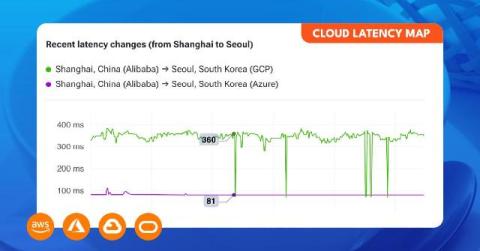
CLM Chowder: Digging Into the Cloud Latency of Azure, Google Cloud, and OCI

CLM Chowder is a new series which highlights notable observations of cloud connectivity surfaced by Kentik’s Cloud Latency Map. In this edition, we look at measurements from Alibaba (China), latency swings from South Africa, and a temporary latency jump from Marseilles to Asia.

The Proven Cloud Migration Strategy for Operational Resilience & Cost Efficiency

Cost-efficient, agile, and innovative. Cloud migration is often connected to these words. But beyond these familiar terms lies a transformative opportunity for your business. For IT leaders, the promise goes beyond these initial benefits. A well-executed migration can streamline operations, optimize resource allocation, and unlock new avenues for digital transformation.

How Finance Teams Are Using AI To Drive Profitability

It’s getting increasingly difficult to both be a conscious human being with an internet connection and to be unaware of AI. From Jamie Dimon’s bullish stance to Elon Musk’s dire predictions to the art world’s raging debate (and uncanny experiments) over whether it can ever be used ethically, AI has an iron grip on our collective imagination, and businesses are scrambling to outspend each other on the way to making it drive sustainable profit.

Microsoft Azure is Going Secure by Default. Are You Ready?

Developers aren't lazy – but sometimes cloud service defaults can be. Here’s what to look out for, and how Azure is changing the game. Let’s face it: Developers can sometimes be labeled as “laissez faire” when it comes to security. But is that really fair? In reality, it’s not about being lax or lazy; it’s about the default configurations of many cloud services setting the security bar too low on initial deployment.

Bindplane Expands Partnership with Google Cloud

We're only one month into 2025, but the momentum keeps building at Bindplane. In January, we rebranded our company as Bindplane, aligning our company name with our core mission: delivering the best OpenTelemetry-native telemetry pipeline on the market. Building on that excitement, we have another announcement: we've expanded and extended our partnership with Google Cloud.

Scale Time Series Workloads on AWS: Introducing Amazon Timestream for InfluxDB Read Replicas

The world runs in real-time. From industrial automation and IoT monitoring to AI-powered analytics, developers rely on time series data to power critical systems and make split-second decisions. But as workloads grow, so do the challenges: keeping queries fast, ensuring high availability, and scaling efficiently without adding operational complexity. Not having to worry about operational overhead enables companies to focus on deriving value from their data.

Advantages of Google Cloud Platform for Healthcare

Is Google Cloud the key to a better tomorrow? Learn more about how this game-changing technology may improve your life: It transforms the landscape in numerous ways, such as enabling data-driven diagnoses that can save lives and ensuring perfect data security to safeguard patient privacy. Healthcare is no longer limited by geographical boundaries, thanks to scalability that can meet your aspirations and worldwide accessibility. Is Google Cloud Healthcare something you're prepared to use to revolutionize patient care and simplify operations? The cloud has great promise for the future of healthcare. Join us for our extensive reading!

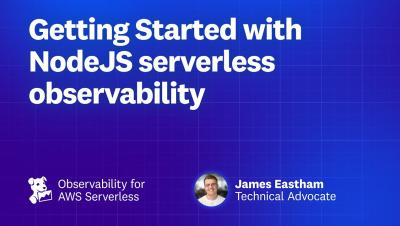
Observability for your NodeJS AWS Serverless Applications

Hi there, and welcome to the first video in this series on observing AWS serverless applications with Datadog. In this video, you’ll learn how easy it is to get started observing your serverless NodeJS applications using Datadog and the AWS CDK. You’ll also look at how you can use the Datadog console to diagnose latency issues and errors inside your application. You’ll walk away with an understanding of how to instrument your Lambda functions with the AWS CDK, as well as practical steps you can take to debug your applications.

Self-Healing Infrastructure: Start Your Journey Now

Every CIO’s ultimate goal is to create a self-healing enterprise. Self-healing IT systems have the ability to proactively prevent issues within the IT environment, ensuring seamless and uninterrupted services that support business continuity. While automating every possible task seems like an obvious solution, implementing changes in a production environment can be challenging.

How Does Cloud Storage Work?

Cloud storage is an alternative to storing files and data on physical devices. It allows for the easy and convenient storage of digital data on external servers. Cloud storage allows users and organizations to store, access, and manage data without owning or operating their own data centers. Due to its affordability, ease of use, and scalability, cloud storage is the most popular method for managing data.

Maximize Uptime and Performance with Advanced Cloud Management

In today's fast-paced digital era, ensuring maximum uptime is essential for business continuity and customer satisfaction. Organizations face constant pressure to maintain reliable IT operations while managing increasingly complex digital infrastructures. Downtime can lead to lost revenue, diminished customer trust, and operational inefficiencies. To combat these challenges, advanced cloud management strategies have emerged as a vital solution for optimizing performance and ensuring seamless service delivery.

Maximizing Azure Savings Plans: Strategies, Best Practices, And Cost Optimization

When Azure Savings Plans for Compute were introduced in late 2022, many assumed they were designed to replace Azure Reservations (Azure Reserved Virtual Machine Instances). But that’s not the case — and it still isn’t. Instead, Azure Savings Plans and Reservations can work hand in hand and complement your other Azure cost optimization strategies. That said, maximizing the benefits of each option isn’t always straightforward.

Integrating FinOps and ITSM for Optimal Cloud Cost Management

The adoption of cloud computing has revolutionized how businesses manage IT infrastructure accountability and budget control. As cloud offerings become increasingly complex and scalable, modern business environments demand improved financial management practices. Through its data-driven and collaborative approach, FinOps IT Service Management bridges the gap between engineering teams, business units, and finance departments, ensuring maximum cloud benefit consumption while optimizing expenses.

Building Cloud Excellence: How JFrog Supports the AWS Well-Architected Framework

In today’s hybrid infrastructure landscape, migrating applications to the cloud unlocks significant financial and technological benefits. Whether internal or external, these applications require robust, efficient infrastructure. Cloud providers like Amazon Web Services (AWS), Google Cloud, and Microsoft Azure offer frameworks to help organizations build better systems.

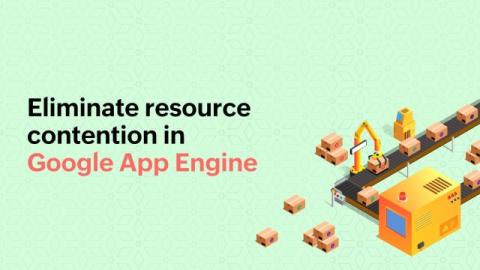
Managing resource contention in Google App Engine: Best practices for optimal performance

Use case 1: When unexpected traffic surges lead to slower responses A sudden surge in user traffic during a high-demand event causes strain on resources in a cloud-based application running on App Engine. The platform automatically scales instances to handle the increased load, but since compute resources are shared, some instances experience CPU throttling. This leads to slower response times, delayed processing of critical operations, and potential errors that impact user experience. How to resolve it.

Native AWS Integrations with AutoDiscovery

For developers, the main quest is building and scaling their applications—not struggling with complex monitoring setups. Yet, observability in cloud-native environments is essential, and configuring monitoring for AWS services has traditionally been a complex and manual process. Developers had to set up Firehose streams, CloudWatch metric streams, and log subscriptions, all while ensuring continuous maintenance for new instances, turning observability into an unwelcome side quest.
Top Cloud Deployment Tools And How To Choose The Right One

For DevOps teams, ideal cloud deployment tools mean automation, consistency, and operational reliability. For CTOs, they ensure faster time to market, scalability, and efficiency. And for CFOs, cost-effectiveness and healthy margins are the name of the game. This is our hand-picked list to help you choose the right cloud deployment tools for your organization’s specific needs.

Cloud Solutions for Small Businesses: An Essential Guide

In today's fast-paced digital world, small businesses need every advantage they can get to stay competitive. As a small business owner, among the most powerful tools at your disposal is cloud technology. But what exactly are cloud solutions, and how can they benefit your small business? This guide will walk you through everything you need to know, from the basics to actionable tips for getting started. Read on.
3 Companies That Repatriated Workloads from the Cloud and Their Results

In recent years, many businesses have begun a process known as cloud repatriation. Cloud repatriation is when companies migrate their applications, data, and workloads from the public cloud to on-premises infrastructure. According to IDC, 70-80% of companies are repatriating at least some of their data each year.

The 28 Best Cloud Cost Management Tools In 2025

Managing and knowing where your cloud spend goes is nearly impossible without the right cloud cost management tools. Cloud-native, distributed technologies like microservices, containers, and Kubernetes can make it even more difficult to have full visibility into resource usage — and the associated costs. This cost information is also often buried in rows and columns of text on cloud providers’ bills. In addition, a lot of cloud cost management tools are clunky and inexact.

Crafting effective cloud architecture diagrams: A comprehensive guide

Cloud architecture diagrams play a crucial role in communication, planning, and execution within the realm of cloud computing. They provide a visual depiction of the infrastructure, highlighting the interconnections between different components and their collaborative functionality. In this guide, we will delve into the five fundamental factors that every cloud architect should consider when crafting a cloud infrastructure.

Challenges in designing AWS architecture

Designing AWS architecture is a complex task. It requires careful planning; a deep understanding of cloud services; and the ability to balance performance, cost, security, and scalability. As organizations migrate to the cloud or expand their existing cloud infrastructure, they often face several challenges that can impact the success of their architecture. Once the architecture is deployed, effective cloud monitoring becomes critical to ensure optimal performance and reliability.

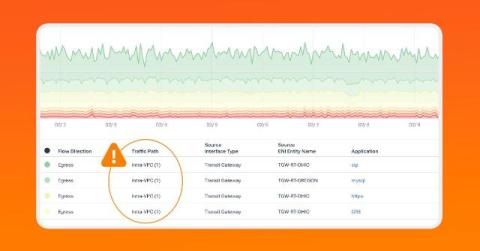
Evaluating Cloud Gateways for Cost and Performance

Cloud networking costs can escalate due to inefficient routing and limited visibility. Kentik’s cloud visibility and analytics solution helps engineers optimize transit, reduce costs, and improve performance by analyzing AWS Transit Gateways and exploring alternatives like direct peering, storage endpoints, and AWS CloudWAN.

Learn about cloud waste and 6 effective ways to reduce it

Cloud waste occurs when cloud resources are unutilized or underutilized. Resource under-utilization occurs when more resources are procured than are actually needed by virtual machines (VMs) at runtime. Cloud providers continue to charge for these provisioned resources regardless of whether they are used or not, resulting in unchecked expenditure.

Understanding AWS SNS Pricing: Features, Benefits, And Cost-Saving Strategies

A reliable notifications system can send highly scalable, multi-protocol messages — via email, SMS, or apps — all from one platform. For example, you can send timely cost anomaly alerts directly to your developers on Slack to alert them to potential overspending before it becomes a board meeting emergency. So, what does this have to do with Amazon SNS pricing? Let’s start at the beginning to better understand what you’re paying for when you get that AWS SNS bill.

Integrate AppSignal with AWS Fargate in Python Flask

In this tutorial, we’ll show you how to integrate AppSignal with a Flask application running on AWS Fargate. Fargate is a serverless container service that allows you to run Docker containers in the cloud. By integrating AppSignal with AWS Fargate, you can monitor the performance of your Flask application and get insights.

From Vision to Value: Unlock Cloud Savings with Tidal Accelerator

1 year later… Technology leaders face a critical challenge that keeps them up at night: transforming their digital infrastructure without burning through budgets or risking operational disruption. In today’s hyper competitive business landscape, cloud migration isn’t just a technical upgrade, it’s a strategic imperative that can make or break an organization’s future. That’s where experience matters.

AWS Service Comparison: ECS Vs. EC2 Vs. S3 Vs. Lambda

Amazon Web Services (AWS) offers over 200 fully-featured services. AWS Elastic Compute Cloud (EC2), Elastic Container Service (ECS), Amazon Lambda, and the AWS Simple Storage Service (Amazon S3) are some of the most critical services you should become familiar with. We’ve previously covered Amazon ECS vs. EKS vs. Fargate for managing and deploying containers. This guide will explain how Amazon EC2, Lambda, ECS, and S3 compare and when you’ll want to use each.

AWS CSPM Explained: How to Secure Your Cloud the Right Way

As organizations expand their AWS footprint, maintaining visibility and control over configurations can be challenging. Misconfigurations, unnoticed vulnerabilities, and compliance gaps can create serious security risks. AWS Cloud Security Posture Management (CSPM) helps teams navigate these challenges by automating security checks, ensuring compliance, and providing continuous monitoring. Here’s what you need to know about AWS CSPM and why it’s essential for securing your cloud environment.

How Much Does Cloud Storage Cost? Cloud Storage Prices Comparison

The global cloud storage market was valued at $117.59 billion in 2024, reflecting the demand for individuals and businesses looking for a secure platform to store and manage their data. When considering cloud storage, one of the major factors that can influence a decision is pricing.

Deloitte Recognizes Internxt As One Of The Top 50 Fastest-growing Companies

Today, Deloitte released its prestigious Deloitte Technology Fast 50 list, which recognizes the 50 most scalable technology companies, based on their turnover, within the entrepreneurial ecosystem in Spain. Internxt, for its part, has closed 2024 with a turnover of €3.4M and it expects to be close to €5M EUR this 2025. The company also has wide profit margins and achieved profitability in Q4 2024, which it intends to maintain for most of 2025.

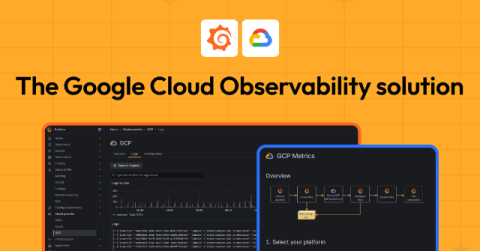
Monitor Google Cloud: simplify and centralize your cloud provider observability with Grafana Cloud

Organizations increasingly rely on Google Cloud to power critical parts of their businesses, but managing those environments often involves navigating a labyrinth of disparate data, tools, and processes. We built Google Cloud Observability in Grafana Cloud to reduce the complexity and confusion by providing a unified, scalable solution designed to simplify monitoring, enhance visibility, and optimize costs.

Future-Proofing Your Network: A Deep Dive into Software-Defined WAN Technology

As businesses continue to scale and adopt innovative technologies, the need for robust network solutions becomes paramount. Software-defined WAN (SD-WAN) technology emerges as a significant advancement, providing organizations with agility, improved performance, and cost-effective management. Unlike traditional networks, which often become cumbersome as they expand, SD-WAN enables seamless connectivity across various locations while optimizing bandwidth usage.

How Cloud-Based Technology Is Streamlining Telemarketing Operations

Telemarketing remains one of the most effective ways to reach potential clients, especially in industries like B2B. However, as businesses evolve and technology advances, it's essential to adopt new tools that can enhance efficiency and improve results. Cloud-based technology is one such tool, transforming how telemarketing operations are conducted by offering features that streamline processes, enhance data management, and improve customer interaction. Here's how cloud-based technology is revolutionising telemarketing and helping businesses unlock new levels of efficiency.

Cloud Computing in Healthcare: Ensuring Secure and Scalable Medical IT Infrastructure

Cloud computing has transformed healthcare by providing a secure, scalable, and efficient IT infrastructure. With the increasing need for data management, interoperability, and cost reduction, cloud-based solutions have become essential for healthcare providers, laboratories, and private practices. This article explores the impact of cloud computing on healthcare, its benefits, security considerations, and its role in Private Practice Billing Services, Laboratory Billing Services, and Patient Management Software.

Why Hybrid Cloud Won Over Pure Cloud in Our Biggest BFSI Deal of 2024

When people speak about cloud transformation in banking, the story often sounds cleaner than the reality. You hear phrases like "cloud-first strategy," "full migration," and "modernization at scale." It all sounds very tidy. In practice, when you step into a BFSI environment with decades of systems, regulations, and institutional memory behind it, the situation becomes far less abstract.

Cloud Monitoring's Blind Spot: The User Perspective

The evolution of internet-centric application delivery has worsened IT's visibility gaps into what impacts an end user's experience. This problem is exacerbated when these gaps lead to negative business consequences, such as loss of revenue or lower Net Promoter Scores (NPS). The need to address this worsening visibility gap problem is reinforced by Gartner’s recent publication of its first Magic Quadrant for Digital Experience Monitoring (DEM).

Redgate Monitor Support for Azure PostgreSQL Flexible Server

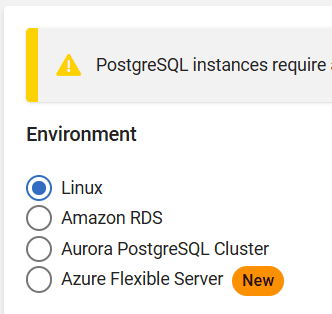
Azure Flexible Server joins the suite of PostgreSQL hosting platforms supported by Redgate Monitor, which also includes Linux hosts or VMs, Amazon RDS and Aurora. Our goal is to provide you with a single-pane-of-glass view of your entire PostgreSQL estate, whether it’s running in Azure, AWS, or on-prem, ensuring simpler troubleshooting, better insights, and faster performance tuning.

Datadog Vs. New Relic: Comparing Observability Tools In 2025

Datadog and New Relic didn’t become some of the best observability platforms today by accident. Unlike traditional monitoring tools, both are built from the ground up to be cloud-native. This design is crucial for tracking system health across hybrid cloud infrastructure, modern applications, and microservices/containerized architectures. Both platforms also offer more flexible pricing models than the traditional subscription-based pricing you’ll see elsewhere.

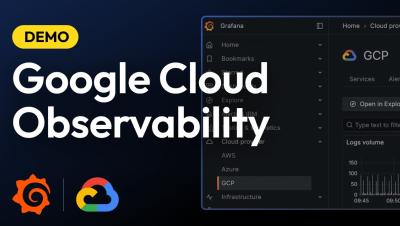
Observe Your Google Cloud Infrastructure | Demo: New Grafana Cloud Application | Grafana Labs

Want to monitor your Google Cloud infrastructure more effectively? Join Vasil Kaftandzhiev as he introduces Grafana Cloud’s new application designed specifically for Google Cloud observability. In this video, you'll discover how to: Optimize and troubleshoot your Google Cloud services Leverage out-of-the-box dashboards with key metrics and thresholds Set up comprehensive alerting for real-time incident response Streamline log management with an all-in-one logs view for faster root cause analysis Configure logs and metrics effortlessly using Grafana Alloy.

Unveiling Azure's Hidden Costs: What You Need to Know

So, you’re new to the cloud or just starting off with Azure. You’re probably starting your first project and using the Azure Calculator to help estimate your monthly run rate. The problem is that Azure, like all clouds, has hidden costs. So why does the cloud have hidden costs? Well, while we call them hidden costs, it’s really more a matter of unexpected costs or unknown costs.

Cloud storage: Walkthrough, challenges and solutions

Cloud storage has become an integral part of enterprise IT infrastructure. Cloud engineers, SREs, SysAdmins, and CTOs are always on the look out for more avenues to keep their organization's data secure, accessible, and managed. In this blog post, let us explain cloud storage in detail, the associated challenges, and how to overcome them.

Navigating AWS policy changes in 2025: The role of CloudSpend in mitigating the impacts

AWS SP/RI policy changes In a significant move, AWS announced policy changes to the use of Reserved Instances (RIs) and Saving Plans (SPs), which are set to take effect on June 1, 2025. These changes are particularly crucial for MSPs, resellers, and other organizations that rely on shared RIs and SPs to manage cloud costs.

How Azure Observability Optimizes Performance and Monitoring

Observability in Azure isn’t just about tracking metrics—it’s about truly understanding how your cloud infrastructure, applications, and services are performing. It helps you spot issues before they become problems, optimize performance, and ensure security. In this guide, we’ll break down Azure Observability in a way that’s easy to follow, covering key concepts, best practices, and some useful tricks to give you an edge.

What's new with Google Cloud for 2025

Google Cloud remains the third-largest provider, holding a 13% share in the global cloud infrastructure services market. In Q3 2024, Google reported a 30% year-over-year revenue growth reaching $12 billion in sales. However, it is a competitive market so they are working hard to accelerate this momentum and drive future growth with developments in AI innovation and infrastructure investments.

AWS Aurora Pricing In 2025: What Influences Costs And How To Save

Amazon Aurora offers up to five times the throughput of standard MySQL and three times that of PostgreSQL. Its architecture combines the database engine with a cloud-native, SSD-based storage system built for high I/O operations to achieve this. That said, AWS Aurora pricing can be a real headscratcher for customers, with concerns about the cost structure, pricing components, and ways to cut expenses.

Virtana in Gartner Research 2024: A Mark of Excellence in Infrastructure Observability

Research and analysis by Gartner¹ carries significant weight in the technology industry, serving as a trusted source of insights for IT decision-makers worldwide. Their rigorous evaluation processes and comprehensive market analysis help organizations make informed technology investments. When a company is featured across multiple Gartner research publications, it demonstrates market relevance and solution maturity.

Elastic Cloud Serverless now available in technical preview on Microsoft Azure

Elastic Cloud Serverless provides the fastest way to start and scale security, observability, and search solutions — without managing infrastructure. Today, we are excited to announce the technical preview of Elastic Cloud Serverless on Microsoft Azure — now available in the EastUS region. Elastic Cloud Serverless provides the fastest way to start and scale security, observability, and search solutions without managing infrastructure.

Migrating to Amazon DaaS - Part 1 - How to leverage AIOps monitoring during a migration to Amazon WorkSpaces or AppStream 2.0

If you are considering or planning a migration to Amazon Workspaces or AppStream 2.0, you’ll also want to consider how you integrate effective monitoring into your planning and execution – this will not only save you time and money long term but will also help you measure and achieve success.

Sync vs. Backup: What Are The Differences?

Cloud storage goes far beyond just uploading your files online and leaving them there. You can do much more with your files to protect, collaborate, and keep your files updated with the proper cloud storage. Two popular approaches for file management are file syncing and backups, which are different methods that you should know how and when to use to get the best from your cloud service provider.

Product Release Notes January 2025

In the last few weeks, industry headlines once again brought the need for businesses to have complete cost visibility and proactive cost management strategies to the forefront of the constantly accelerating cloud and AI landscape. That’s why we’re excited to announce our latest product releases, designed to supercharge your cloud cost intelligence with deeper integrations into industry leaders like AWS and OpenAI.

Monitor Amazon Kinesis Firehose in Hosted Graphite

We’ve supported syncing your metrics from Kinesis Streams, Amazon’s streaming data platform, for several years. Kinesis Streams helps you gather and process streaming data which can then be monitored in your Hosted Graphite account. Recently, we’ve added support for Firehose, a fully managed and scalable service that allows users to stream data to destinations like Amazon Simple Storage Service (Amazon S3), Amazon Redshift, or Amazon Elasticsearch Service (Amazon ES).

AWS Monitoring Trends 2025

Discover the top trends shaping AWS monitoring in 2025! From AI-powered predictive analytics to sustainability-focused tools, this video dives into the innovations driving the future of cloud infrastructure. Topics Covered: Stay ahead in the evolving cloud landscape with these key trends. Watch now to learn how to achieve smarter, faster, and more sustainable AWS monitoring in 2025 and beyond! Subscribe for more cloud insights!

How AWS Savings Plans (And Other Strategies) Lower Your Cloud Spend

Amazon Web Services (AWS) introduced Savings Plans to offer customers a more flexible and discounted pricing model than Reserved Instances. Like Reserved Instances, AWS Savings Plans offer discounts for longer-term commitments. You can learn more about the differences between Reserved Instances (RIs) and Savings Plans here. In this post, we’ll quickly explain AWS Savings Plans, how they work, and what they can and cannot do for you.

AWS CloudWatch Custom Metrics: Types & Setup Guide [With Examples]

Amazon CloudWatch is a monitoring and observability service that provides real-time insights into AWS resources and applications. While CloudWatch provides many default metrics, sometimes you need custom metrics to monitor specific aspects of your infrastructure or applications. This guide covers everything you need to know about CloudWatch custom metrics, from basics to advanced use cases.

The carrot and the stick: the impact of data sovereignty on data centre buying decisions

Data sovereignty is now one of the top concerns of those making data centre buying decisions. The principle that data is subject to the laws of the country where it is collected or stored, has been enshrined in two discrete, but connected pieces of legislation: The Data Protection Act 2018 (DPA 2018). Whilst both these statutes enforce sovereignty as a minimum, they also cover the use of personal data, including how it is collected, stored, and processed.

Kentik - Cloud Observability

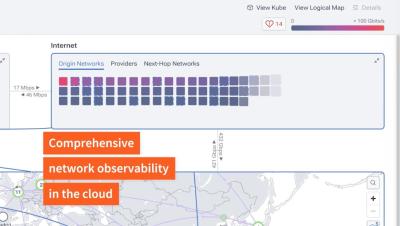
Kentik Cloud provides comprehensive visibility across all major public clouds, offering seamless insight into cloud-to-on-prem network paths and the public internet routes connecting them. Identify latency, loss, jitter, and application-specific traffic while providing deep visibility into cloud networking constructs like ACLs to spot security issues. With powerful analytics, Kentik Cloud enables you to visualize intra-cloud traffic, identify idle resources for optimization, and leverage historical data to uncover trends and seasonal patterns—ensuring optimal cloud performance and cost efficiency.

Kubernetes Vs. Docker Vs. OpenShift: Understanding Their Roles And Differences

Containers are a big deal today. They are software units that contain all the code, runtime, and dependencies required to run a distributed application. Thus, containers help engineers test and run apps without compatibility issues on any device and platform. Organizations can use containers to reduce engineering costs, speed up deployments, develop and test AI models, and automate more processes. You probably want those benefits as well.

Magento performance optimization-Actionable tips and strategies

Is your ecommerce store traffic resulting in enough conversions? If not, your store might be facing performance issues. Amazon loses 1% of its $141 billion online sales for every 100ms of latency. BBC risks 10% of its website visitors for every additional second of load time. As your business grows, the need to build new features, customize code, and integrate third-party systems grows.

AWS Cloud Financial Management Explained: Everything You Need To Know

Many companies migrate to the cloud and overlook costs in favor of innovation, speed, and flexibility. They assume that the cloud is inherently more cost-effective than on-premises infrastructure. However, the organizations soon realize that the same characteristics that make the cloud such an enticing and flexible resource can also lead to unexpectedly higher usage bills than expected. The challenge is to find the right balance between optimal system performance, engineering velocity, and cost.

You Can Solve the Overprovisioning Problem

If you're like most companies running large-scale, data- intensive workloads in the cloud, you’ve realized that you have significant quantities of waste in your environment. Smart organizations implement a host of FinOps and other activities to address this waste and the cost it incurs: … and the list goes on. These are infrastructure-level optimizations.

Empowering NOC Teams - Enhanced Workload Insights

In the dynamic landscape of cloud operations, Network Operations Centers (NOCs) are crucial in ensuring service reliability and performance. However, managing the diverse workloads of NOC teams can be challenging. At MoovingON, we are dedicated to providing solutions that enhance operational efficiency and cultivate a positive work environment for our engineers. To this end, we are excited to introduce a powerful new feature in our moovingon.ai platform: Enhanced Dashboards for Workload Management.

You Can Solve the Overprovisioning Problem

If you're like most companies running large-scale, data-intensive workloads in the cloud, you’ve realized that you have significant quantities of waste in your environment. Smart organizations implement a host of FinOps and other activities to address this waste and the cost it incurs: … and the list goes on. These are infrastructure-level optimizations.

Top Azure App Insights Techniques You're Not Using for Querying Logs

The Business Activity Monitoring (BAM) module's new feature allows seamless navigation directly to the Azure portal. This video provides an overview of how BAM enables the monitoring and querying of logs from Azure App Insights and Log Analytics. It also showcases a use case in the employee benefits scenario, where daily file processing data is visualized for business and support teams to track system activities.

Announcing ARM builds in cloud for Bitbucket Pipelines

We are excited to announce the release of ARM builds in the Pipelines cloud runtime. Our release of Linux based ARM runners in cloud allows you to build and deploy software for ARM-based systems with all the benefits of our fully managed CI/CD platform. To use the new cloud ARM runners in your pipeline, make the following modifications to your bitbucket-pipelines.yml file.