Mailchimp
Not subscribed to OpsMatters Newsletter


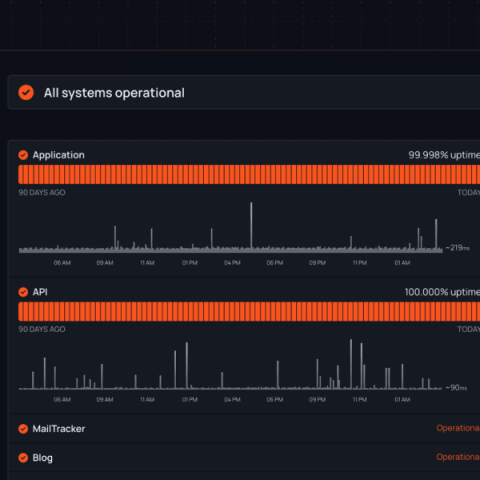
In today's digital age, businesses are heavily reliant on their online presence. Website downtime or technical glitches can have a significant impact on a business's reputation, customer satisfaction, and revenue. To avoid such situations, it's crucial to have a status page that provides real-time updates on the status of your website.
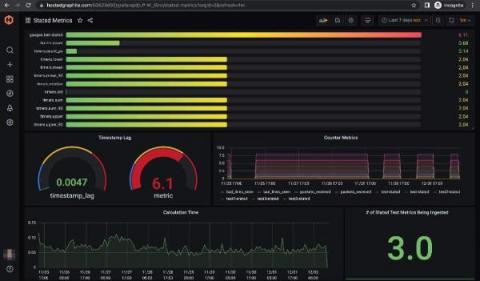
Custom dashboards are essential tools in the data-driven world for businesses, organizations, and individuals. They provide an interactive and comprehensive representation of data, making it easier to identify trends, patterns, and outliers. Custom dashboards are highly customizable, allowing users to select the most relevant data sources, visualizations, and metrics to meet their specific needs.
ERLANGEN, Germany, and DOUGLAS, Isle of Man, February 21, 2023 – Elektrobit and Canonical today announced EB corbos Linux – built on Ubuntu, an industry first bringing the largest open-source Linux community to automotive software. Available immediately from Elektrobit, the new solution provides OEMs and Tier 1 suppliers with the benefits and flexibility of an open-source operating system for developing electronic control units (ECUs) in software-defined vehicles.
When I joined Honeycomb two years ago, we were entering a phase of growth where we could no longer expect to have the time to prevent or fix all issues before things got bad. All the early parts of the system needed to scale, but we would not have the bandwidth to tackle some of them graciously. We’d have to choose some fires to fight, and some to let burn.
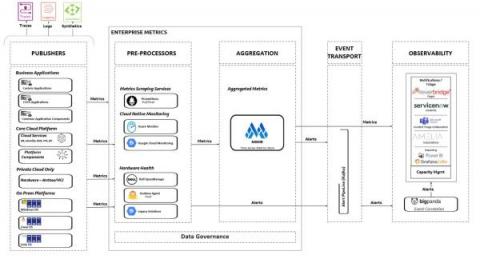
Think of a monitoring tool — any monitoring tool. Got it? Good. Odds are, whatever came to mind was probably being used behind the scenes at Wells Fargo not too long ago. “You name it, and we probably had it at Wells Fargo,” said Senior Software Engineering Manager Nikhilesh Tekwani of the complex web of observability solutions that stretched across the U.S.-based financial institution.
As the world emerges from the pandemic, governments are shifting focus to modernize their IT landscapes seeking security, efficiency, and a better experience.