WHAT'S NEW Pandora FMS 756
Let’s check out together the features and improvements related to this new Pandora FMS release: Pandora FMS 756.


Let’s check out together the features and improvements related to this new Pandora FMS release: Pandora FMS 756.
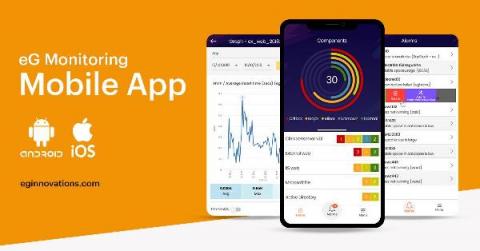
I’ve recently been talking to some of the users of our eG Enterprise monitoring solution and its AIOps-powered root cause analysis platform. Multiple users have mentioned how the usability of the solution has been enhanced considerably by the availability of rich featured mobile apps for iOS and Android platforms.
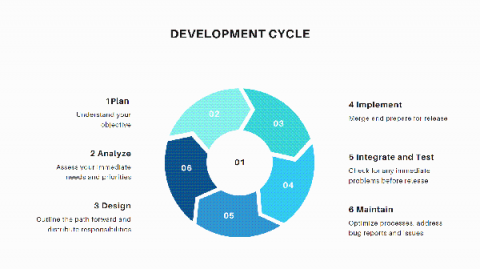
Development cycles are complicated. If you’re on a development team, whether you’re building out a custom application, maintaining and iterating on a growing microservice, or breaking ground on a new platform for a startup, you have your hands full. Log management, though seldom celebrated outside hardcore DevOps and IT circles, is still a well-known instrument among seasoned developers. It is insight into the internal workings of your processes as they are used.
Here at Sentry, we like to dogfood our product as much as possible. Sometimes, it results in unusual applications of our product and sometimes these unusual applications pay off in a meaningful way. In this blog post, we’ll examine one such case where we use the Sentry JavaScript SDK to instrument Jest (which runs our frontend test suite) and how we addressed the issues that we found.
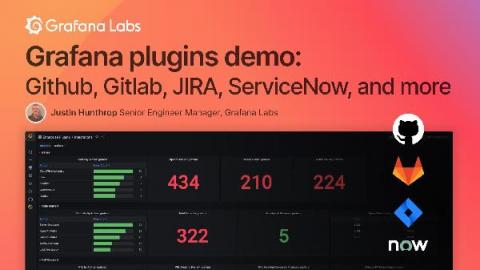
GitHub, GitLab, Jira, and ServiceNow are some of the most popular software development tools out there, and Grafana has powerful integrations with each of them. Join us for a live webinar on July 29 at 9:30 PT / 12:30 ET / 16:30 UTC for a demo of these data source plugins and best practices for creating a single pane of glass for viewing your software operations metrics. You can register here.
Traditionally an APM tool, Scout has expanded its service offerings to now include error monitoring of Python web applications for more cohesive and actionable observability insights within a single platform. This new feature supports an overall better user experience by eliminating the need for multiple web-application monitoring services; Scout APM with Scout Error Monitoring offers performance and error insight and alerting within a single, integrated dashboard.
Site Reliability Engineering (SRE) and Operations (Ops) teams heavily rely on notifications. We use them to know what’s going on with application workloads and how applications are performing. Notifications are critical to ensuring SREs and Ops teams can resolve errors and reduce downtime. They’re also crucial when monitoring environments — not only when running in production but also during the dev-test or staging phase.
Monitoring solutions are a vital component in managing an application’s environment. From the systems layer all the way up to the end user’s connection to the app, you want to find out how the platform is performing. Indicators like CPU, memory, the number of connections, and overall health help teams make informed decisions for guaranteeing uptime. Teams monitor metrics (short-term information) and logs (long-term information) mainly from a reactive perspective.
Log centralization is kind of like brushing your teeth: everyone tells you to do it. But until you step back and think about it, you might not appreciate why doing it is so important. If you’ve ever wondered why, exactly, teams benefit from centralized logging and analysis, keep reading. This article walks through five key advantages of log centralization for IT teams and the businesses they support.
Have you ever tried to search for a leadership position in IT that’s dedicated exclusively to employee experience, sometimes listed as end user experience or Digital Employee Experience (DEX)? I’m not talking about a CXO (Chief Experience Officer) role outside of IT—that position is usually advertised for customer experience or employee communications and human resources. I’m talking strictly enterprise IT.