Operations | Monitoring | ITSM | DevOps | Cloud

Top 5 Web Application Monitoring Tools You Should Know

Web application monitoring tools can keep your business afloat. Period.  Imagine this. You’re about to run a crucial end-of-season sale on your website. You’ve sent your emails, run social media campaigns, paid for advertisements, and stocked up your inventory; you are all set to let the cash register ring.  However, on D-day, your website goes down. It’s unable to handle the incoming traffic or is simply down because of technical glitches.
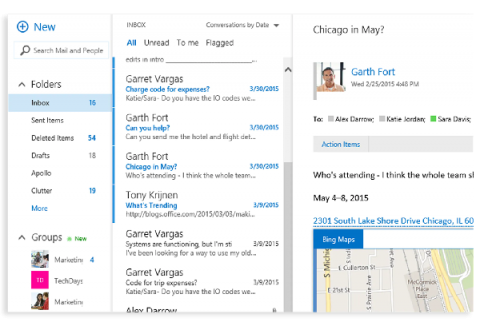
Analyzing Office 365 GCC Data With Sumo Logic

Many of our customers today leverage Office 365 GCC High, including organizations looking to meet evolving requirements for working with the United States Department of Defense. Sumo Logic enables customers to leverage our out-of-the-box monitoring and analytics capabilities to analyze Office 365 GCC High data to offer security engineers and security analysts stronger situational awareness of internal employee data.

Comparison N-Able vs Kaseya vs Pandora FMS: Fight !!!

Lemons, oranges, grapefruits, limes… We know that they are not the same, but if necessary, you can make juice with all of them. And yes, we can and we will. We are in summer and it makes you want to make a good cocktail, doesn’t it? Today, in PFMS blog, we are going to analyze the commonalities of N-Able (Solarwinds MSP), Kaseya and Pandora FMS. Also their -remarkable- differences of course.

SAN Performance Monitoring

A Storage Area Network (SAN) is a specialized, high-speed network that provides block-level network access to storage. SANs are typically composed of hosts, switches, storage elements, and storage devices that are interconnected using a variety of technologies, topologies, and protocols. Each computer on the network can access storage on the SAN as if they are local disks connected directly to the computer.

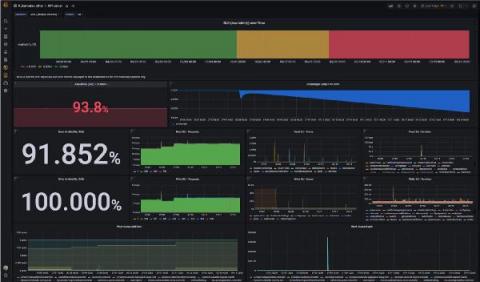
How Grafana helps organizations manage SLOs across multiple monitoring data sources

“SLO is a favorite word of SREs,” Grafana Labs Principal Software Engineer Björn “Beorn” Rabenstein said during his talk at KubeCon + CloudNativeCon NA 2019. “Of course, it’s also great for design decisions, to set the right goals, and to set alerting in the right way. It’s everything that is good.” So what happens when things go bad?

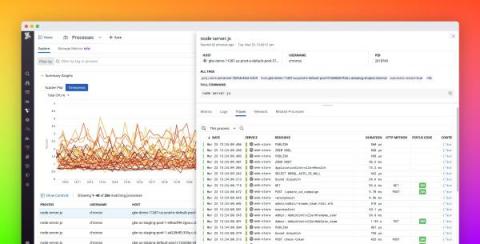
Troubleshoot faster with process-level app and network data

When responding to an incident, you need to quickly find the scope of the issue so you know which teams to notify and which parts of your system to investigate next—before your end users are affected. But as multiple processes use resources on each of your hosts, and interact in unexpected ways, it can be difficult to know exactly what is causing an issue—especially if those processes are running off-the-shelf software.

Understanding IIS Log Files: Operating Instructions

Commonly, your website or app functions perfectly until you release it. During testing, you might seem to have control over everything. But, sooner or later, you will face some challenges. In fact, it is totally normal when something goes wrong. The most important thing is how you settle these problems. In most cases, issues with availability alerts and users’ complaints can be addressed by the means of IIS logs. IIS logging will provide you with the necessary data to deal with a breakdown.

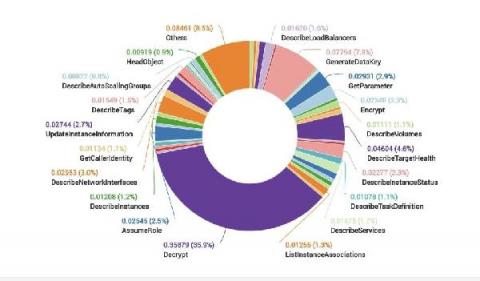
Optimize Value of Cloudtrail Logs With Infrequent Tier

A common scenario for log analytics is that many log events are high value for real time analytics, but there are also events that are low value for analytics, but account for a very large percentage of overall log volume. Often these same low value logs are used only for ad-hoc investigations from time to time or need to be retained for audit purposes.

Monitoring and Alerting 101: Monitoring Best Practices

An effective monitoring system is paramount to smooth business operations. As the need for a fast, responsive software experience gains momentum, monitoring becomes an indispensable driving force. Monitoring systems enable IT teams to proactively observe the health and responsiveness of critical environments and applications. Without monitoring, organizations must depend on customers or internal departments to receive notice of system issues.