Operations | Monitoring | ITSM | DevOps | Cloud

New: Introducing the StatusGator Chrome extension

We’re excited to announce the launch of the StatusGator Chrome extension, a new way to check the status of websites and online services directly from your browser. Whether you’re troubleshooting an issue, wondering if a website is down, or looking for more information about an ongoing incident, the extension gives you instant access to service status information with a single click. Simply install the extension and start checking the status of websites and services as you browse.

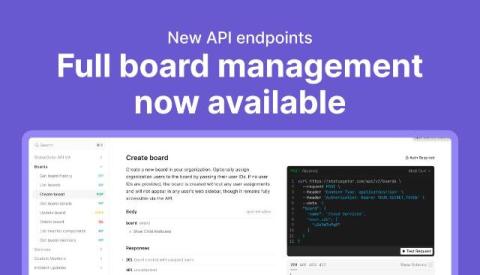
API update: Full board management now available

We’re excited to announce expanded functionality for the StatusGator Boards API. You can now create new boards, update existing boards, and delete boards directly through the API. Previously, the Boards API only supported listing boards and retrieving board details. With these new capabilities, you can automate the complete board lifecycle – from provisioning new boards to managing ownership and cleaning up boards that are no longer needed.

Errors, traces, logs, metrics: when to reach for what

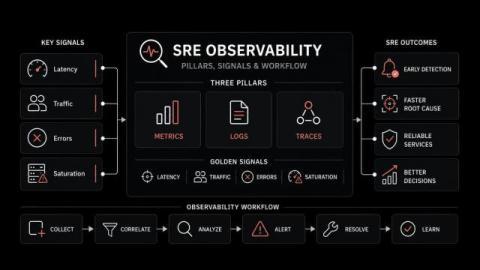
When should I reach for a log, a trace, or a metric? I hit that question constantly when I instrument code, and I watch coding agents hit it too. It sounds like it should be obvious. Errors, traces, logs, and metrics are the four kinds of telemetry most apps run on, four tools in one box, and they overlap enough that the honest answer is every developer’s favourite: it depends. You can stuff context into span attributes instead of logging it. You can count log events instead of emitting a metric.

Progress Wins at the Network Computing Awards

Progress has been named a winner at this year's Network Computing Awards, earning industry recognition for its ongoing commitment to innovation and delivering real-world value to customers. A standout event in the UK technology calendar, the Network Computing Awards celebrate organizations and solutions that are driving measurable impact across the industry.

11 Incident Management Best Practices Every IT Team Should Follow

A well-defined incident management process can mean the difference between a minor disruption and a major business outage. When critical services fail, every minute of downtime matters. Yet many IT teams still face challenges such as unclear ownership, poor prioritization, communication gaps, alert fatigue, and manual processes that delay resolution. The result is longer outages, missed SLAs, and frustrated users.

Turning Disconnected Alerts into Actionable Insights

The previous post in this series focused on shared context and why hybrid operations depend on a connected view across cloud, network, and infrastructure. Once that context is in place, the operational benefits become easier to see—especially during incident response, where signal volume and fragmented tooling can slow teams down. Alert noise remains one of the most persistent challenges in hybrid environments. Every layer of the stack can generate its own warnings, anomalies, and service events.

Keeping Critical Systems Online Across Dynamic Operational Locations

Keeping critical systems online has always been a technical challenge, but the scale of that challenge shifts considerably when operations span multiple physical locations, none of which are fixed. Field sites, temporary installations, marine vessels, mobile command units, and dispersed industrial assets all place unique demands on the infrastructure designed to keep them running. In these environments, avoiding downtime and maintaining business continuity is not simply a matter of patching software or monitoring a server room.

How Digital Experience Monitoring Protects Your Paid Social ROI

The Australian digital advertising market is experiencing an unprecedented era of growth. Recent industry data shows that internet advertising investments have reached a staggering record of $18.4 billion. Furthermore, over 77 percent of Australians are now regular social media users, spending nearly two hours every single day on various digital platforms. In response to this captive audience, marketing teams spend immense amounts of time and budget crafting the perfect creative, targeting precise demographics, and optimising their ad bids across platforms like Meta, LinkedIn, and TikTok.