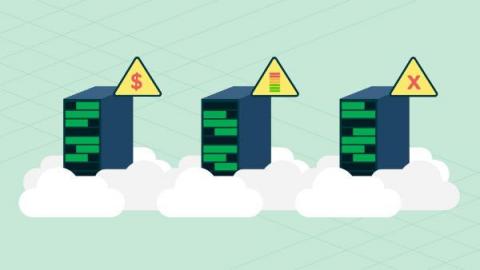
The DevOps field is engaged in a great, collective migration into the cloud. Businesses are decentralizing their applications and databases, hosting them in the cloud to make them available regardless of geography or user device. Some organizations choose to host their applications on private servers, but in periods of high demand take advantage of the public cloud by directing overflow traffic to cloud servers. This approach is called cloud bursting.
Say you have a new code base to study or picked up an open source project. You might be a seasoned developer for whom this is another project in a packed resume. Alternatively, you might be a junior engineer for whom this is the first “real” project. It doesn’t matter! With completely new source code repositories, we still know nothing… The seasoned senior might have a leg up in finding some things and recognizing patterns.
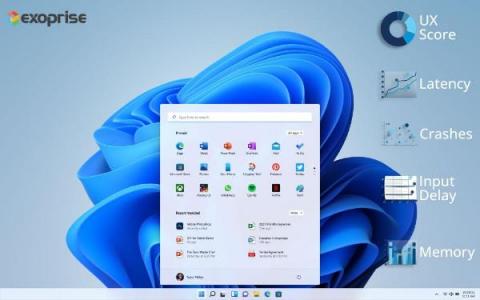
It feels like yesterday but believe it or not; it’s been over six months since Windows 11 was officially launched in the market. To be precise, the operating system came out on October 5, 2021. Compared to Windows 10, Windows 11 is packed with enhanced security features and provides faster access to services you already use, such as Microsoft Teams, Skype, the (new) Edge browser, and more. Most importantly, the OS centers on hybrid work and digital experience to empower remote learning.