The latest News and Information on Cloud monitoring, security and related technologies.
As a developer, Python for me is a heavy-lifting and versatile language. I’ve used it for building APIs, internet of things projects, file and data conversions, machine learning and (of course) web development. Like with any modern, commonly used language, the functionality behind the application is only as good as the infrastructure that it is deployed onto.
Cloud spend — which research shows makes up 51% of IT budgets — is a prime candidate for company cost savings initiatives with the potential to make a huge difference in gross margins. It’s also an area that has grown dramatically in the last few years due to digital transformation and a rise in cloud demand during the pandemic.
Amazon Virtual Private Cloud (Amazon VPC) is an isolated and secure virtual network in which you can deploy resources, such as Amazon Elastic Compute Cloud (EC2) and Amazon Relational Database Service (RDS) instances, while restricting their exposure to the internet. As part of your monitoring strategy, you can collect and analyze VPC flow logs, which record network traffic flow between VPC components.
Do you already know about Docker and finding out whether it is good for hosting? Are you wondering why Docker containers are so popular? If the answer to any of these questions is yes, you are at the right place. Here we’ll discuss the meaning and working of Docker hosting. By the end of this article, you will also be aware of the advantages and disadvantages of Docker. I’ll be covering the best server for Docker and throw some light on whether you should use Docker at all.
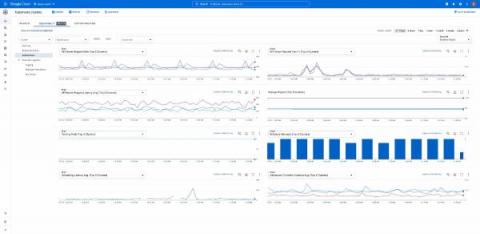
An essential aspect of operating any application is the ability to observe the health and performance of that application and of the underlying infrastructure to quickly resolve issues as they arise. Google Kubernetes Engine (GKE) already provides audit logs, operational logs, and metrics along with out-of-the-box dashboards and automatic error reporting to facilitate running reliable applications at scale.
As more workloads move to the cloud, more employees work remotely and SaaS application adoption increases, enterprises have had to rethink the way they secure access to the IT services their employees need. The reality for most enterprises today is a multi-vendor, siloed approach that has only compounded their security and IT operations management headaches as they end up using multiple management tools to secure and govern their access to cloud services.