Mailchimp
Not subscribed to OpsMatters Newsletter


TimeShift is back after a few weeks away with a lot of updates to share. Nearly all of the Videos and presentations from GrafanaCon LA are available, so please check them out and let us know what you think. Also, if you hadn’t heard, Grafana v6.0 stable was recently released which has lots of new features and enhancements. Download the latest version v6.0.1 and read about the highlights below.
Don’t you just hate it when APIs are failing and you have absolutely no clue why? Now imagine you don’t have access to the VM, cluster or container where your software is running. Want me to continue with this nightmare? Yes, that’s what debugging AWS Lambda functions tends to seem like. A horrid nightmare of not knowing what is happening nor why things are failing. This article will show you a way of logging function invocations.
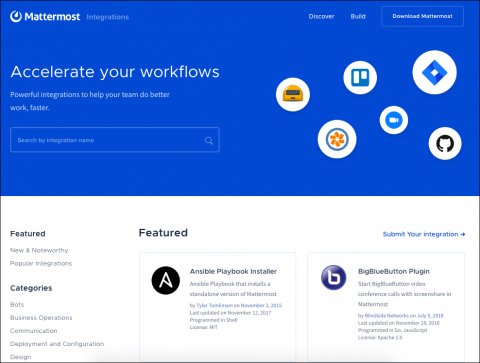
Mattermost 5.9 ships with platform improvements that will help your team collaborate more productively. Try these new features by downloading Mattermost 5.9 today. Since it includes security updates, upgrading is recommended.
In this blog post, I will focus on configuring OpenEBS as a persistent storage option on the open-source self-managed OpenShift Origin and deploy a stateful workload (MongoDB) both from CLI and custom catalog template using OpenEBS storage classes.
We've just rolled out another major new feature - website content monitoring. If the content of your website changes unexpectedly, Downtime Monkey will alert you.
Amazon DocumentDB is an AWS-managed document database service that supports MongoDB, the well known open source database. As a managed service, AWS automatically handles database management tasks, autoscales database clusters, and backs up your data to S3. DocumentDB implements the Apache 2.0 open source MongoDB 3.6 API, making it easy to migrate your existing MongoDB workloads to DocumentDB.
They say knowledge is power and today, there is no greater source of knowledge than data. It is well documented that businesses produce a vast amount of data whether it be in manufacturing, IT, UX, Marketing, Sales or Finance. Collectively, all of this data can provide you with business intelligence, enabling you to optimize decisions, improve collaboration, and increase overall performance.