Operations | Monitoring | ITSM | DevOps | Cloud


The latest News and Information on CyberSecurity for Applications, Services and Infrastructure, and related technologies.
IT Risk Assessment vs. IT Risk Management: The Difference and What They Mean to the Service Desk

Continuous Vulnerability Management Is a Must
Face it. Your IT systems may be secure today, but what about next week? Granted, as stated by the Center for Internet Security (CIS), you and your team members must operate in a constant stream of new information—software updates, patches, security advisories, threat bulletins, and more. But as you know, attackers have access to the same information and can leverage gaps between the onset of new knowledge and remediation.
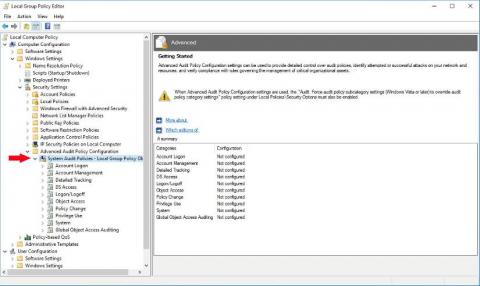
Hardening Your Windows Server in 2020
Security is vital for protecting company assets and data subjects. Evolving data protection regulations, like the General Data Protection Regulation (GDPR) and the California Consumer Privacy Act (CCPA), have thrown light on security breaches and the security architecture of those compromised. In 2019, the global average cost for a data breach was $3.9 million, not including reputational damage and hidden costs.

Cloud Adoption is No Longer an Option for Federal Agencies
In May 2019, Bloomberg Government reported that Federal agencies planned to move 272 information technology programs to the cloud in FY2020. Fast forward to April 2020 — they reported that there are more than 1,800 federal IT programs that are either migrating or considering migrating to the cloud in fiscal 2021, signifying a rapid increase in cloud adoption in the federal government. How might COVID-19 affect this explosive increase in cloud interest?
Monitoring Applications that Require Identity Management Authentication
Identity and Access Management (IAM) systems provide core directory services, application access management, and authentication and authorization services. IAM also helps developers with a base platform to provide access control to their applications based on centralized policies and rules. IAM manages user details, authentication, and access information for an organization. The responsibility of user management and authentication creates a great dependency on IAM.
Expanding the IBM & Sysdig Relationship to Manage Cloud Security Risk
Today, we are pleased to announce the expansion of Sysdig’s relationship with IBM to extend cloud security governance with IBM Cloud Pak for Multicloud Management. Through a new OEM agreement, Sysdig Secure and the Sysdig Secure DevOps Platform are now available through IBM and IBM Business Partners. The combined IBM and Sysdig offering delivers centralized cloud visibility, governance and automation with in-depth container security intelligence for Red Hat OpenShift.
Forget Videobombing - Worry About What You Can't See
If you follow any kind of tech news feed, you’ve surely seen stories about unwanted “guests” doing God knows what in someone’s collaboration room. I take these intrusions very seriously, but I don’t think it’s the most serious security threat we face in UC and IT overall.

Calico Egress Gateway: Universal Firewall Integration for Kubernetes
New applications and workloads are constantly being added to Kubernetes clusters. Those same apps need to securely communicate with resources outside the cluster behind a firewall or other control point. Firewalls require a consistent IP, but routable IPs are a limited resource that can be quickly depleted if applied to every service.