Sysdig Continues International Expansion with New Data Center Options in the US and Europe
Company expands SaaS offering, while adding stringent data protection and compliance. Customers are able to choose where their data is stored.


The latest News and Information on CyberSecurity for Applications, Services and Infrastructure, and related technologies.
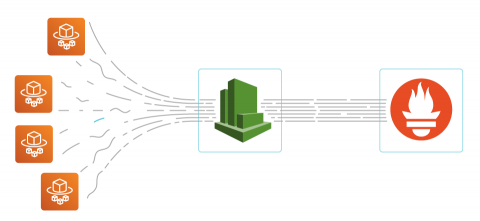
In this article, we will show how it’s easily possible to monitor AWS Fargate with Sysdig Monitor. By leveraging existing Prometheus ingestion in Sysdig, you will be able to monitor serverless services with a single-pane-of-glass approach, giving you confidence in running these services in production.
Today we are pleased to announce the release of Puppet Remediate 1.3.0. This release includes new features requested by our customers, including even more capabilities to help you track and trace network activity, and give you more control of the data in your dashboard. Read on for background and a look at the new capabilities.
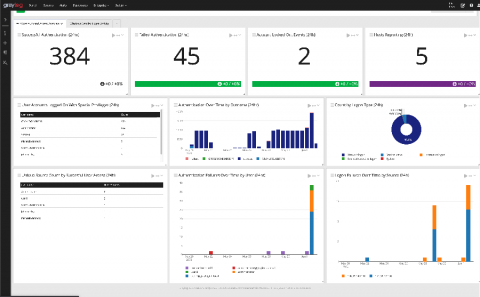
Graylog Illuminate for authentication is a brand new offering designed by our Enterprise Intelligence team. It eliminates the manual setup necessary to detect, monitor, and analyze authentication activities and issues across your IT infrastructure by providing pre-built Dashboards, Alerts, and data enrichment. Initially, Graylog Illuminate for Authentication will address Windows authentication issues and activities. We will release additional data sources in the coming weeks so stay tuned!
Graylog is an advanced log management system, capable of ingesting all of your corporate logs into a central repository for easy searching and analysis of your data.
The trend of working from home has hit the ground running, and businesses have turned to strategies and tools that will ensure a no-plummet productive environment. There are two major forks in the road when it comes to provisioning remote endpoints—users can use their own devices, or the company can hand over corporate-owned devices.