Operations | Monitoring | ITSM | DevOps | Cloud

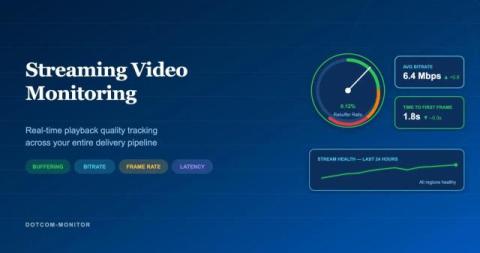
Streaming Video Monitoring: How to Detect Playback Issues Before Viewers Leave

Video is the single largest driver of internet traffic worldwide. According to the Sandvine Global Internet Phenomena Report, video accounts for 65% of all internet traffic, with on-demand streaming alone consuming over half of all downstream bandwidth on fixed networks. In the United States, households spend nearly five hours per day streaming content, and 94.6% of internet users worldwide watch online video monthly.
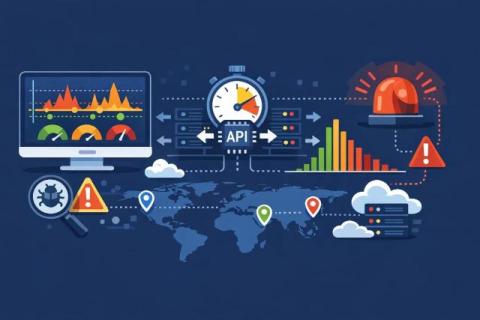
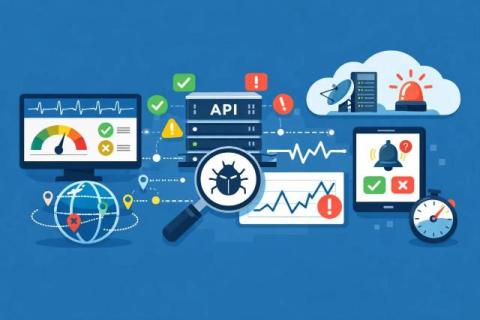
API Latency Monitoring: Metrics, Percentiles, and Alerting Best Practices

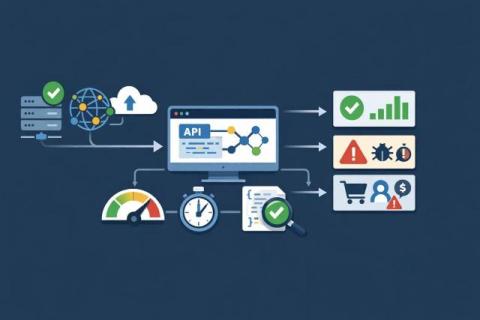
APIs power modern applications. Every login request, product search, payment authorization, and mobile app refresh depends on an API responding quickly and reliably. When latency increases, users feel it immediately. Pages stall. Transactions hang. Confidence drops. Most engineering teams measure API latency. Fewer truly monitor it. There is a difference. Many teams track average latency in dashboards and assume performance is healthy.

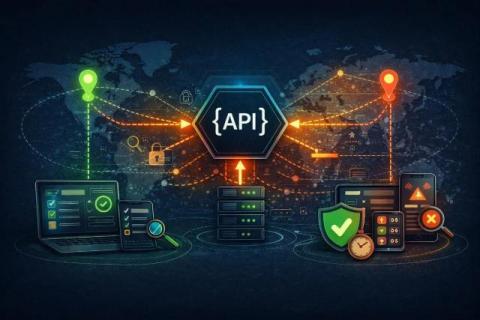
API Endpoint Monitoring: How to Ensure Reliability, Performance & Functional Accuracy

APIs sit at the core of modern digital infrastructure. From e-commerce checkouts and payment processing to SaaS platforms and mobile applications, APIs move the data that keeps systems running. But APIs do not operate as a single unit. They are made up of individual endpoints, and each endpoint represents a specific function or resource that users depend on. As organizations shift toward microservices, cloud native applications, and third party integrations, the number of endpoints increases rapidly.

API Availability Monitoring: How to Measure True API Availability

APIs are no longer just integration layers. They power customer logins, payment processing, SaaS workflows, partner ecosystems, and mobile applications. When an API becomes unavailable, revenue stops, user trust declines, and service level agreements are immediately at risk. Yet many teams still define API availability in the simplest possible way. If an endpoint responds with a 200 OK, the API is considered available. Monitoring dashboards stay green. Alerts remain silent. Everything appears healthy.

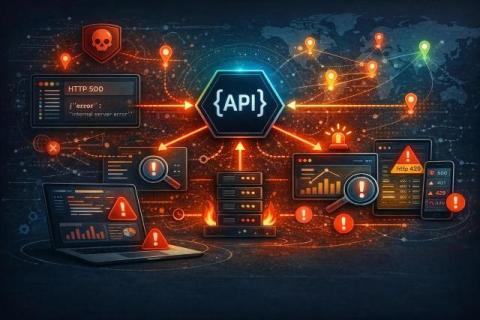
API Error Monitoring: A Complete Guide to Detecting and Resolving API Failures

APIs power nearly every modern digital experience. From mobile apps and SaaS platforms to payment gateways and internal microservices, APIs handle authentication, transactions, content delivery, and system-to-system communication. When an API fails, users often experience broken features, slow responses, or complete service outages. In many cases, they leave before your team even realizes something is wrong. The business impact of API failures is significant.

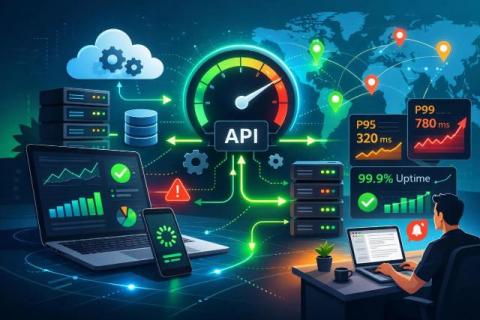
API Response Time Monitoring: Metrics, SLAs & Optimization Guide

Modern applications are powered by APIs. Every login request, checkout transaction, mobile interaction, and third-party integration depends on APIs responding quickly and reliably. When an API slows down, the entire user experience suffers. Even a one-second delay in response time can: For ecommerce platforms, fintech systems, SaaS products, and real-time applications, slow APIs do not simply create inconvenience. They directly affect revenue, customer retention, and operational stability.

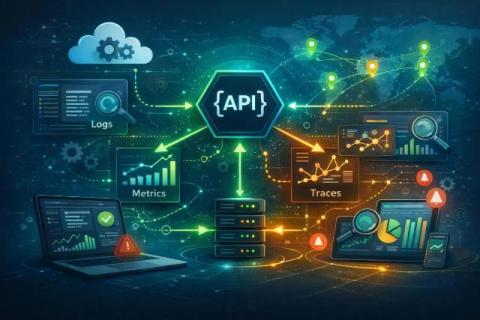
API Observability Tools: Complete Guide to Platforms, Features & Use Cases (2026)

Modern software runs on APIs. Whether you are operating microservices, integrating third party services, or building customer facing platforms, APIs are the backbone of your architecture. As systems become more distributed, simply knowing whether an endpoint is up or down is no longer enough. Teams need deeper visibility into performance, reliability, latency, and behavior across environments. That is where API observability tools come in. API observability goes beyond basic health checks.

API Status Monitoring: Real-Time Health & Uptime Tracking

APIs sit at the center of modern digital infrastructure. Mobile applications, SaaS platforms, microservices, and third party integrations all depend on APIs to exchange data and execute business logic in real time. When an API becomes unavailable, slows down, or returns incorrect data, users feel it immediately. Transactions fail. Dashboards stop updating. Logins break. Revenue and trust are affected within minutes.

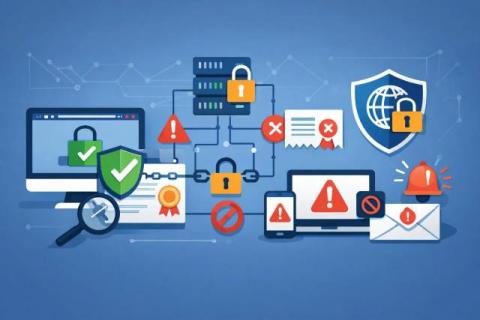
What is SSL Certificate Monitoring?

SSL Certificate Monitoring is the automated process of validating the integrity, trust chain, and expiration status of TLS certificates across network endpoints to prevent connection failures. SSL/TLS certificates are required for encrypted data transmission and server authentication. If a certificate is expired or fails validation (hostname, trust chain, issuer, etc.), properly configured clients will terminate the connection.