Operations | Monitoring | ITSM | DevOps | Cloud

The latest News and Information on Monitoring for Websites, Applications, APIs, Infrastructure, and other technologies.

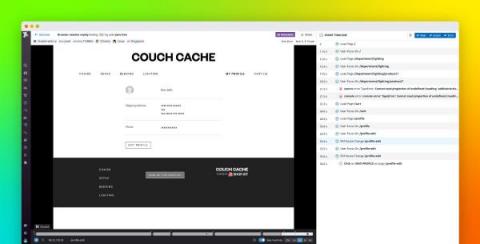
Create alerts from your logs, available now in Preview

Being alerted to an issue with your application before your customers experience undue interruption is a goal of every development and operations team. While methods for identifying problems exist in many forms, including uptime checks and application tracing, alerts on logs is a prominent method for issue detection. Previously, Cloud Logging only supported alerts on error logs and log-based metrics, but that was not robust enough for most application teams.

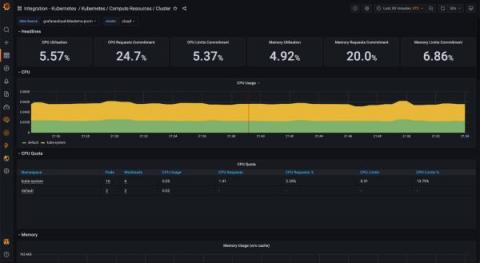
How to set up synthetic monitoring at scale with Grafana Cloud

While unit testing and integration testing can give you insight into the individual functionalities of an application, “at times you need some sort of monitoring or testing mechanism which also simulates a user’s behavior to test how the application would work or look to an actual user in the world,” says Grofers Software Development Engineer Yashvardhan Kukreja. That’s where synthetic monitoring comes in.

Managing Microsoft 365? See What You're Missing

If a customer has an issue with any part of Microsoft 365, MSPs just don’t have the native visibility to identify the root cause, let alone respond to and remediate the problem. Most of the time, it’s little more than checking Microsoft’s Service Health status to see if Microsoft knows it’s having a problem.

What is Website Monitoring?

Website Monitoring is a broad phrase used to describe the way web teams measure website reliability, performance and security. In today’s increasingly fast-paced world, website monitoring is becoming much more than that. Businesses have been driven online by socio-economic issues like reductions in retail footfall and, most recently, the Covid-19 pandemic. Websites are critical.

Overcoming SQL Server Blocking and Locking Challenges

One of the most common performance problems with SQL Server databases in production is the blocking of queries, which happens because database resources are locked. Understanding why locking happens is just half the battle. Being able to resolve locking, which will resolve blocking issues as well, is the second half.

Improving Our Typography to Optimize the Honeycomb User Experience

This is the second post in our series about Lattice, Honeycomb’s new design system and how we’re applying a user-centric design philosophy to our product. Lattice begin! At Honeycomb, we understand that our users are often under a great deal of pressure when troubleshooting complicated issues in their applications.

Managing Updates to the Splunk Cloud Vetting Process

Before apps can be installed in a customer’s Splunk Cloud deployments, these apps have to go through Splunk’s cloud vetting process. Cloud vetting helps ensure that apps are safe and performant for our mutual customers to use in Splunk Cloud. It’s important for us to make regular updates to our cloud vetting requirements in order to ensure apps running on Splunk Cloud are “up to snuff”.

Monitoring Apache Kafka Clusters with Sumo Logic

Apache Kafka® is one of the most popular streaming and messaging platforms, commonly used in a pub-sub (publish-subscribe) model, where consumer software applications send data via messages that producer software applications can consume. Teams use Kafka for a variety of use cases, including monitoring user activity, sending notifications, and concurrently processing streams of incoming data such as financial transactions.

The Business Case for Switching from the ELK Stack

Last year we published a popular paper on how to calculate the true cost of an Elasticsearch, or ELK (for Elasticsearch, Logstash, Kibana) stack environment. The paper helps readers calculate their overall annual cost of ownership for their ELK environment, and reveals how the cost burden of ELK is much higher than anticipated for most customers. That paper clearly hit a nerve — it’s been, by far, our most downloaded piece of content.