Operations | Monitoring | ITSM | DevOps | Cloud

Splunk in the Financial Services Industry Today

In the late 1960s, there was a rock band called Ten Years After and I liked the name the first I heard about them. I wanted to use "Splunk and the Financial Services Industry: Ten Years After" as the title of this blog entry, but it’s been more than ten years since I wrote the first Splunk Blogs entry on Splunk and the Financial Services Industry. As you can tell, a lot has changed since then and more than a decade is an internet lifetime in technology.


Webinar: combating tool sprawl with AIOps

Dexcom is more than a business. For its customers, the organization’s innovative continuous glucose monitoring platform provides them with a way to take control of their health and better manage their diabetes. Given the critical services Dexcom provides to its customers, their IT Operations teams have highly specific needs when it comes to the many tools and platforms, they rely on to keep their organization’s services up and running.

IT Asset Naming Conventions: Why You Need a Name for Everything

One of the most important aspects of a good experience in the field of IT is organization. Regardless of the size of your IT practice, keeping everything neat, tidy, and easy to understand is something that will surely save everybody a lot of time and effort. A good way of ensuring this is by understanding how to properly name your assets.

Embedding Git Commit Information in Go Binaries

It is always helpful to know which version you are running of some software, even more so when running development versions. So it’s good if software is able to tell you its version, for example by calling it with --version. For release versions, maintaining this information by hand is feasible, but in order for development versions to show exact revision information, you need some automation, otherwise updating it will be forgotten, leaving you with wrong information.

How EAM Software Overcomes Organization's Common Challenges?

EAM software can be extremely useful to an organization as it not only provides complete control and visibility of assets but also guarantees security and compliance as well. However, there are several challenges that EAM software overcomes. What are those challenges that we will explore in this blog now! So, without wasting any time let us begin. But first, let us cover the basics first!

Hardware Asset Management (HAM) Explained

A well-run IT team keeps track of every asset in their domain, including hardware, software, and licenses. The specific task of managing hardware assets is known as hardware asset management. This involves keeping tabs on hardware from the time it’s requested and purchased to when it’s phased out of use and disposed of. As you can imagine, this can be a daunting task when handled manually.

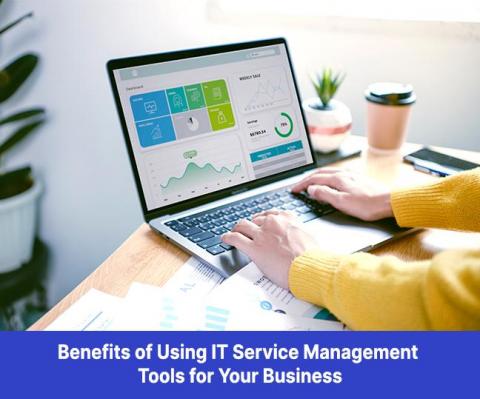
Benefits of Using IT Service Management Tools for Your Business

The IT department plays a significant role in determining the long-term success of any business organisation. It needs to boost performance, manage risk, and anticipate issues, all while controlling expenditures for software, hardware, and cloud solutions. IT service management is the best way to achieve all these goals and enhance competitiveness in today’s ever-evolving market. How do the organisations keep track of their IT service management systems and processes?