Operations | Monitoring | ITSM | DevOps | Cloud

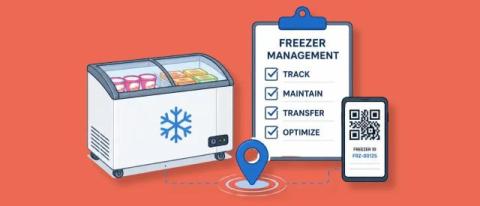
Freezer Management Software: How Food and FMCG Companies Track, Maintain and Control Freezers in the Field

For food and FMCG companies, managing freezers becomes more complex once equipment moves outside warehouses and company facilities. Freezers may be placed at supermarkets, retail stores, restaurants, distributors, convenience stores, and other customer locations, often across hundreds of cities or territories. At that scale, spreadsheets and manual field checks make it difficult to answer basic operational questions. Where is a particular freezer? Which outlet is responsible for it?
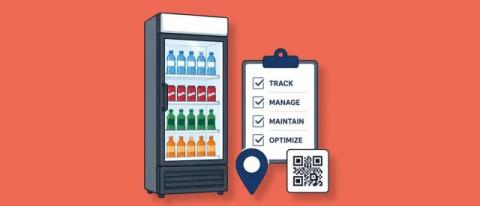
Cooler Management Software: How Beverage Companies Track, Maintain and Optimize Coolers in the Field

For beverage companies, deploying a cooler at a retailer, restaurant, supermarket, or distributor is only the beginning of the asset lifecycle. Once coolers move outside company facilities, maintaining visibility becomes far more difficult. Operations teams need to know where each cooler is located, who is responsible for it, whether it has been transferred, if maintenance is required, and whether the equipment is being used effectively.

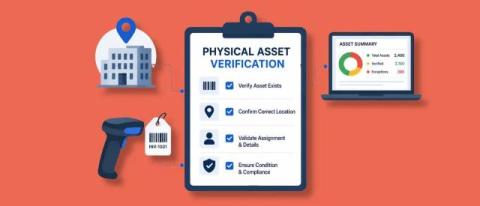
Physical Asset Verification: The Complete Checklist for Multi Location Organizations

Managing assets across multiple offices, warehouses, plants, project sites, or retail locations can quickly become challenging. As organizations grow, assets are transferred between locations, assigned to employees, repaired, replaced, or retired. Over time, records can become inaccurate, leading to missing assets, duplicate entries, and compliance risks. This is where physical asset verification becomes essential.

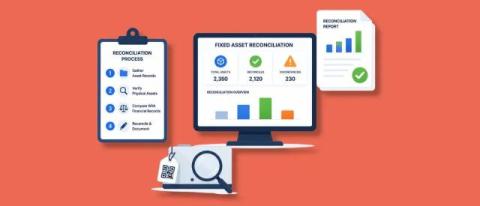
Fixed Asset Reconciliation: A Step by Step Guide for Finance Teams

Accurate financial records are the foundation of effective business management. Yet many organizations struggle with discrepancies between their fixed asset records and the assets that actually exist within the business. Over time, assets may be transferred, disposed of, misplaced, or incorrectly recorded, creating gaps between financial statements and physical reality. This is where fixed asset reconciliation becomes essential.

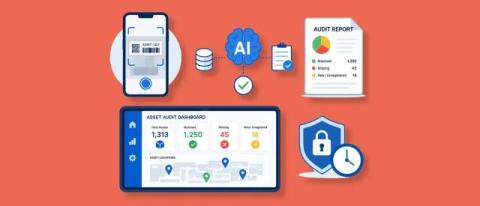
Why AI-Powered Asset Audits Are Replacing Manual Physical Verification (And How to Switch)

Picture this. It's the end of the financial year. Your audit team is clipboard in hand, walking floor to floor, cross-referencing serial numbers against a spreadsheet that was last updated six months ago. Three days in, two people are still checking warehouses, and someone has already found a printer that the system says was disposed of in 2022. This is how most enterprises still run their physical asset audits in 2026.

Best Enterprise Asset Management Software 2026

Best enterprise asset management software is becoming essential for organizations that manage large-scale operations, multiple facilities, and diverse asset categories. Enterprises today rely on advanced systems to monitor physical assets, digital assets, infrastructure, and operational equipment across departments and locations.

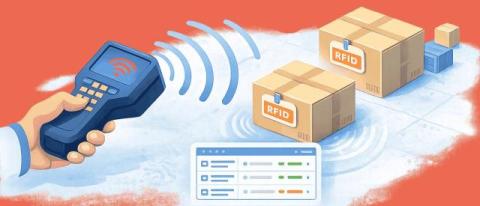
Best RFID Asset Tracking Software to Track and Manage Assets in 2026

RFID asset tracking software is rapidly becoming a key technology for organizations that manage large volumes of equipment, tools, and operational assets. Businesses across industries such as manufacturing, healthcare, logistics, and education rely on RFID technology to maintain accurate asset records and improve operational visibility.

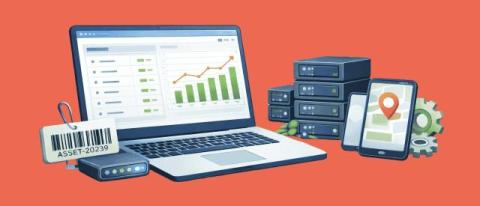
Best IT Asset Tracking Software in 2026 for Smarter IT Asset Management

IT asset tracking software is becoming a critical operational tool for organizations in 2026. Businesses now manage large inventories of physical IT equipment including laptops, desktops, monitors, networking hardware, and peripherals across multiple departments and locations. Implementing reliable IT asset tracking software allows companies to maintain accurate equipment records, reduce asset loss, strengthen accountability, and improve overall it asset management efficiency.

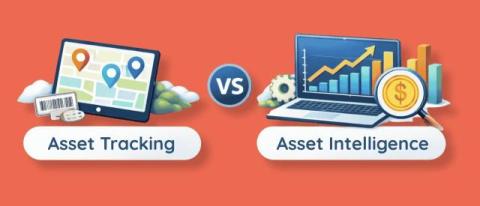
Asset Intelligence vs Asset Tracking and What Enterprises Actually Need in 2026

Enterprises have spent the last decade investing heavily in visibility tools to understand where their assets are and how they move across locations. While this approach has improved basic control, it has also revealed a larger gap. Knowing where assets are does not automatically explain how well they perform, how effectively they are used, or whether they contribute real business value. This is where asset intelligence becomes critical.

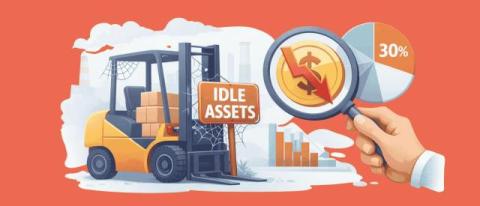
The Hidden Cost of Idle Assets: How Poor Asset Performance Leaves 30% of Enterprise Assets Unused

Most enterprises believe that once an asset is purchased and recorded, its value is automatically realized. In reality, the opposite is often true. Poor asset performance silently erodes budgets, reduces operational agility, and creates long term inefficiencies that remain hidden for years. Studies consistently show that nearly 30 percent of assets owned by large organizations remain unused or severely underutilized.