Operations | Monitoring | ITSM | DevOps | Cloud

Suggested Cloud Monitoring Strategies for IaaS, PaaS, and SaaS

From the Cloud First policy established in 2010 to last year’s Cloud Smart update, it’s clear the government is driving federal agencies toward cloud computing. The strategy makes sense, but for agencies migrating, however, the decision is less clear cut, because there are several options agencies can choose based on individual agency needs.
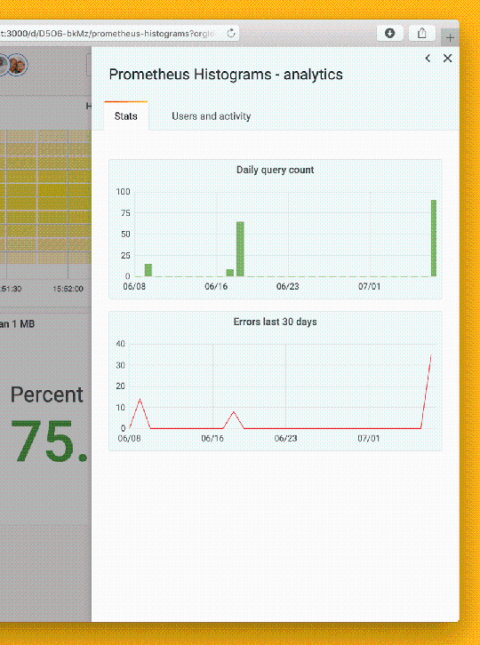

New Enterprise features in Grafana 7.0: Usage insights and user presence indicator

Dashboard sprawl is a real problem whether you’re using Grafana or any other tool. When growing to thousands of users – and as many dashboards – you’ll eventually want more information about how the tool is being used in your organization. After all, dashboards don’t help anyone if they aren’t being used. Managing large installations is one of the areas where Grafana Enterprise improves Grafana, and our launch of usage insights in 7.0 is a key part of that.

Automating MSP Client Onboarding with LogicMonitor

Automating client onboarding can eliminate the tedious task of cloning dashboards, creating group directory structure, setting up reports, and configuring access roles. All of these tasks are prone to human error and to put it mildly, not really fun to do. In this blog, we’ll walk through a PowerShell script to automate some of these tasks.

How AppSignal Monitors Their Own Kafka Brokers

Today, we dip our toes into collecting custom metrics with a standalone agent. We’ll be taking our own Kafka brokers and using the StatsD protocol to get the metrics into AppSignal. This post is for those with some experience in using monitoring tools, and who want to take monitoring to every corner of their architecture, or want to add their own metrics to their monitoring setup.

Monitor Apache Ignite with Datadog

Apache Ignite is a computing platform for storing and processing large datasets in memory. Ignite can leverage hardware RAM as both a caching and storage layer to serve as a distributed, in-memory database or data grid. This allows Ignite to ingest and process complex datasets—such as those from real-time machine learning and analytics systems—in parallel and at faster speeds than traditional databases supported by only disk storage.

Leverage advanced analytics to secure your endpoint devices

With the new normal adding several more challenges and variables to the security layer, how do you ensure your data is safeguarded without increasing the workload or the headcount of your security team? Using advanced analytics, in tandem with endpoint monitoring applications such as ManageEngine’s Mobile Device Manager Plus and Desktop Central, will help you better visualize and analyze your endpoint data, identify patterns, and establish correlations.

Approaching Azure Kubernetes Security

The Splunk Security Research Team has been working on Kubernetes security analytic stories mainly focused on AWS and GCP cloud platforms. The turn has come now for some Azure Kubernetes security monitoring analytic stories. As outlined in my "Approaching Kubernetes Security — Detecting Kubernetes Scan with Splunk" blog post, when looking at Kubernetes security, there are certain items within a cluster that must be monitored.

WayKonect Uses InfluxDB to Improve Fleet Management

The fleet management industry has been quick to embrace technology. They want to understand the current state of vehicles and drivers to improve operations and safety. Data privacy laws are especially important as fleet managers expand their reach into new territories. WayKonnect is using InfluxDB Enterprise to improve the fleet management industry.