Operations | Monitoring | ITSM | DevOps | Cloud

Introduction to Time Series Forecasting with Tensorflow and InfluxDB

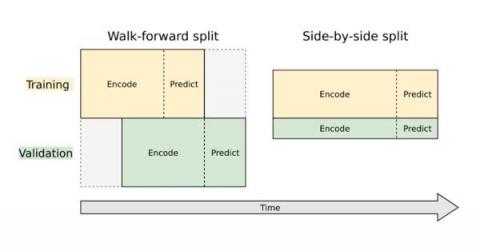
Wouldn’t it be nice to be able to perfectly predict the future? We are a long way from being able to do that, but that is basically the goal of anybody working in the data science field — take a bunch of historical data and then try to make future predictions based on that data.
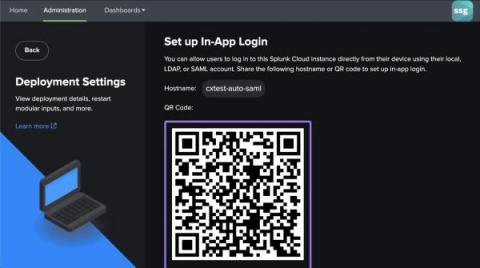
Logging into your Connected Experiences

After checking out the Get Started with Connected Experiences blog, you’ll be an expert on 1) how your Splunk data gets to mobile, (2) how to unlock mobile for your Splunk instance, and (3) how user management works. So, with this blog, I’d say it’s time to talk about the many login methods users can leverage with their Splunk instance on mobile.

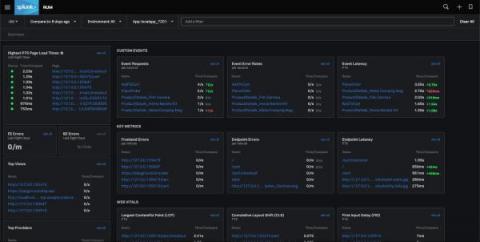
Announcing the General Availability of Splunk RUM Custom Events

With a 70% increase in internet usage, and digital teams adopting cloud-native technologies at a rapid rate, the importance of measuring customer experience on digital properties is not just a technical problem, but a business imperative. Frontend developers and SREs use Real User Monitoring (RUM) to understand critical components of their end-user experience, like how quickly users see content, when a page becomes interactive, and a page's visual stability.

Monitoring Elastic Enterprise Search performance using Elastic APM

Elastic APM is a free, open and powerful observability tool that provides intelligence into application performance for a myriad of production applications (e.g., throughput, error rates, latency, resource usage, transaction traces). You can now enable Elastic APM integration to gain deep insight into the performance behaviors of your Elastic Enterprise Search deployment!

k6 introduces browser automation and Prometheus support in k6 OSS

While there is a lot of focus on the three pillars of observability to provide insight into application performance in production, load testing is the other side of the observability story. By using the open source load testing tool k6 — which Grafana Labs acquired earlier this year — developers can simulate real-world traffic to test the reliability and performance of software changes and new features, not to mention flag performance issues before impacting end users.

How to improve the customer service experience through status pages

With the 2021 holiday season right around the corner and the COVID-19 pandemic still prevalent, businesses are being conducted online now more than ever. The holiday rush also comes with incidents like websites going down, slow load times, and even possible hacking attempts. While planning to tackle the sudden increase in website traffic during the festive season, businesses must have an incident response plan in place to handle unexpected outages and the consequent surge in customer inquiries.

Announcing support for Graviton2-powered AWS Fargate deployments

AWS Fargate is a serverless compute engine that allows you to deploy containerized applications on services like Amazon ECS without needing to provision or manage compute resources. Now, Datadog is proud to be a launch partner with Amazon for their support of AWS Fargate workloads running on Graviton2, Amazon’s proprietary ARM64 processor.

Four powerful Alerting workflows

Since its release last month, Alerting has quickly ingrained itself into the incident response workflow at some of the most technically advanced companies in the world. We’re here to empower your team to do the same. In this blog, we’ll run through four common alerts that you can implement today to ensure you’re maximizing the full potential of Alerting.