The latest News and Information on DevOps, CI/CD, Automation and related technologies.
Patch management is a term that’s familiar to all within the depths and boundaries of endpoint security. While the addition of “automation” to this term might make it seem like one among the thousands of other automated tasks, cybersecurity experts have been going gung ho over it in the last few years. If you’re reading this, it probably doesn’t make sense to explain to you what patch management automation or automated patch management is.
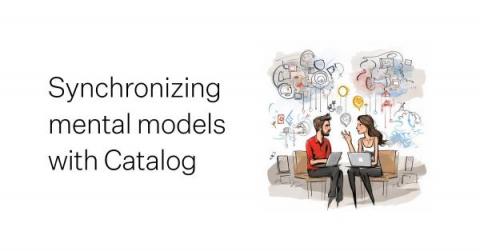
In the heat of an incident, having a clear and shared understanding of what’s going on is absolutely crucial to effective response. But often what actually happens is that people involved in incidents build their own picture and narrative of the event, shaped by their own expertise, their past experiences, and what they’re seeing and hearing as the incident develops. The pictures and perspective people build is often referred to as a mental model.
For technical teams, the findings from DORA provide a model for measuring and improving performance. With almost a decade of data gathered from more than 33,000 professionals worldwide, the capabilities and frameworks detailed by the research help teams pinpoint areas for improvement and areas to celebrate. The team at DORA categorizes capabilities into three sections: Technical Capabilities, Process Capabilities and Cultural Capabilities.
In the vast universe of cloud computing, data transfer operations serve as the lifeline of your day-to-day tasks. Whether it’s migrating data to the cloud or distributing data across various storage accounts, data transfer plays a vital role. Microsoft’s Azcopy is a lifeline for those who require a robust, reliable, and efficient tool for their data transfer needs, particularly to and from Azure Storage.