Mailchimp
Not subscribed to OpsMatters Newsletter


Congratulations, you’ve worked hard to get Cribl Stream into your technology stack. Buying a new tool is a non-trivial task, so be sure to pat yourself on the back. Now the work starts: You have to deploy Stream and get full value to justify the cost. It’s critical to get started with the right plan to accelerate delivery and maximize the value of Stream. I’m going to start by sharing some ideas about how to get started with Cribl Stream in your first hundred days.
Companies depend on IT services to support their business operations, and to meet the demands of their customers. ITIL (Information Technology Infrastructure Library) and ITSM (Information Technology Service Management) are frameworks to help organizations manage their IT services. While these two do have elements in common, they also have important differences. ITIL is a set of best practices for IT service management which emphasizes the alignment of IT with the needs of the business.
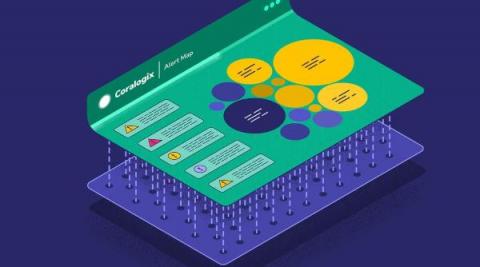
An effective alerting strategy is the difference between reacting to an outage and stopping it before it starts. That’s why at Coralogix, we’re constantly releasing new features that redefine how alerts are consumed, to enable teams to push their ambitions even further, release with confidence, and tackle issues proactively. Alerts Map is now an indispensable tool for that mission.
When you are designing and building applications, you should consider how to monitor them once they become live. You do not want to be blindsided by errors and degrading performances as you operate them. When your applications fail to provide optimal performance, it can broadly impact your business. Engineers will often be distracted to investigate and fix the issues. Customers will complain. It can eventually hit your bottom line.
Bugs are one of the most troubling aspects of software development; they appear out of nowhere and cause everything to stop working. Most of the time, they can be resolved quickly; however, others can be gruesome and take hours/days to fix. Next.js is one of the most popular web development frameworks in the current world, and as a programming tool, it didn’t escape the bug dilemma either.
If you pick a random SaaS company out of a jar and go to their website, chance are they integrate with another tool. Typically, the end goal of integrations is to meet users in the middle by working with other tools they’re already using on a day-to-day. Put another way, integrations are a strategic business decision. But the question remains: why don’t companies just build a tool with similar functionality in order to make the product stickier?