The cybersecurity threat landscape is quickly changing. Administrators have become more cautious when it comes to security and governing access, end users have become tech-savvy and security-aware, and attackers have also raised their game. Living-off-the-land attacks, or LOTL, is one clear trend today, with attackers exploiting preinstalled features and default tools built into system.
When the harmful effects of the coronavirus pandemic began to accelerate globally, Axosoft wanted to step in and do what we could to help as an organization. While we have always offered GitKraken Pro license free for students, teachers, and nonprofits, we wanted to extend our offerings in these especially trying times. We recently announced the GitKraken Pro for a Cure Program, offering free GitKraken Pro licenses for teams of up to 25 developers working on a COVID-19 related project.
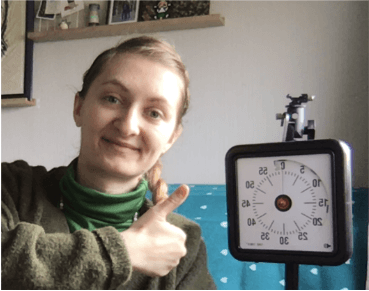
The COVID-19 pandemic has forced many companies to require employees to work from home. It’s a new normal for many, but at Grafana Labs our team has always recruited and operated with a remote-first culture in mind. To help everyone transition to a home office environment, we launched a new WFH series in which Grafana team members have been sharing their best advice for staying productive at home – yes, even if you have kids around.
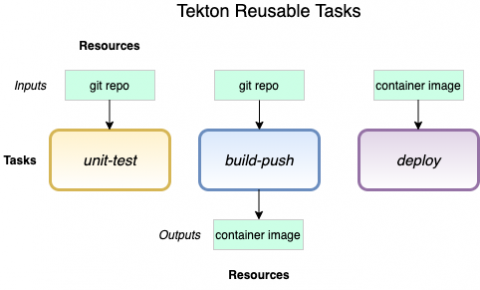
In this blog post, you’ll learn how to create a reusable Sysdig Secure image scanning task, for Tekton pipelines and Openshift clusters, that can be deployed in many pipelines. As a DevOps engineer, you want to deliver applications fast but keeping compliance with security standards like CIS, PCI DSS or NIST 800-190, GDPR can be an arduous task. You might implement image scanning in your CI/CD pipelines to detect and resolve issues such as known vulnerabilities and incorrect configurations.
Recently the leadership at Rancher Labs challenged all of us to think about ways we can contribute to the community during this current crisis. Coming up with ways to help in such an overwhelming situation is quite daunting. Since most needs are medical related, finding ways to apply software isn’t obvious. When I heard about Folding@home’s (FAH) efforts to reprioritize their computing resources toward COVID-19 research, I was immediately curious.