As a remote-first company, we bring employees and members of our community together once a year at our offsite event, which is called MatterCon. MatterCon isn’t your run-of-the-mill conference—it’s more of a meeting of the minds where we’re encouraged to get to know the people we work with, share ideas with each other, and create together.
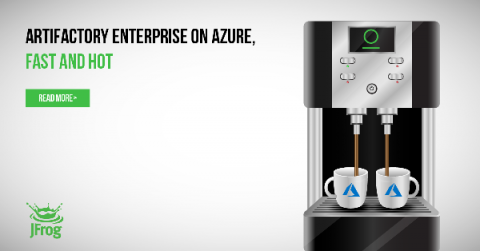
Some things, like high-end coffee or enterprise technology, are worth working and waiting for. But if you can get quality without the effort or delay, wouldn’t you? Installing or updating a self-managed (BYOL), High Availability edition of JFrog Artifactory hosted in an Azure VM can be a complex, and time-consuming process.
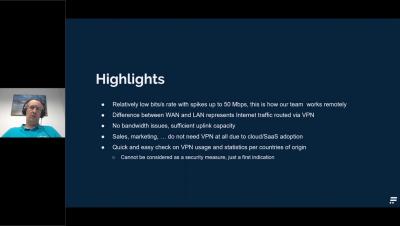
In building out a contingency plan during the outbreak of the COVID-19 pandemic, roughly 400 of our Ivanti employees in the South Jordan, Utah location near Salt Lake City transitioned to a work-from-home environment to stay safe and healthy while still working at full capacity for our customers. For Plinio Pimentel, a senior engineer at Ivanti, the task seemed daunting.
“When things broke,” Molly explained, “you’re mad scrambling—jumping from website to website to website, trying to put the pieces together.” Molly was able to use Honeycomb to fix things up: “It makes my job easier as an SRE.” Getting started with Honeycomb doesn’t require a lot of work: at dev.to, they used the Ruby Beeline to get it going: “I didn’t do that much,” she said.
Open source software development can have a reputation for abrasive behavior. The search community is a clear counterexample for me, with a culture that emphasizes respect and acceptance. This culture played an important part in my own path to open source development. A little over six years ago, I was a wide-eyed software engineer settling into my first full-time job.
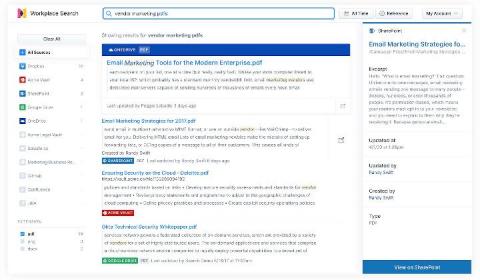
If your organization is like virtually every other in the world (including ours!), you use a mix of Microsoft products in your productivity stack, possibly including SharePoint, Office 365 and OneDrive. But you probably also rely on a variety of other applications, maybe even mingling in “competing” tools like G Suite or Dropbox, in addition to complementary tools like Zendesk or GitHub.