Operations | Monitoring | ITSM | DevOps | Cloud

Velocity (& Reliability) - Two must-haves for every software engineering team

(Field notes from O’Reilly’s Velocity 2019 Show, San Jose.) It was steamy hot in San Jose during O’Reilly’s Velocity show and the normally frigid AC temps in the expo hall were welcomed by all attendees, escaping the 104 degree temps. It got so bad, Charity Majors labeled it Satan Jose and the nearby Marriott hotel experienced a power outage for almost two full days, leaving guests hot under more than just their collars.
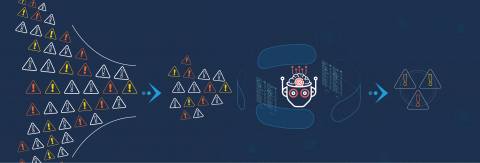

Cut Down Distractions, Reduce Stress and Focus on Critical Priorities with OpsRamp's First-Response Policies

Modern hybrid, multi-cloud, and cloud native environments have created increased management complexity for enterprise IT teams. Dynamic and distributed applications, infrastructure and business-critical services are constantly generating more data in the form of metrics, events, and alerts.

Machine Data is Business Intelligence for Digital Companies

Software has eaten the world and every company today is a software company. This is because every company today is more and more serving its customers digitally. That service can be a spectrum, such as offering traditional physical products and services through digital channels on one end to offering entirely new digital products on the other end. Regardless of where on the spectrum a company is, it does not change the fact that its primary interface with its customers has become its software.

Chaos engineering + monitoring, part 1: Sensu + Gremlin

One of my earliest jobs was as an admin for an MSP. We'd routinely generate alerts that weren't actionable, lacked context, and for most of our customers, were considered noise. From a monitoring perspective, it was bad. Customers didn't trust in the alerts they received and often resorted to having some additional monitoring product installed on their systems. It's safe to say that our auto-generated tickets and emails were largely ignored.

Five reasons to choose Log360, part 2: Multi-environment support

In the previous post of this series, we looked at how easy it is to get Log360 up and running due to its various deployment features and easy-to-use UI. Today, we’ll dive into the solution’s wide range of support for event sources across multiple environments. Servers and workstations. With Log360, you can easily go deep into the events occurring on all Windows, Unix/Linux, and IBM servers and workstations in your network.

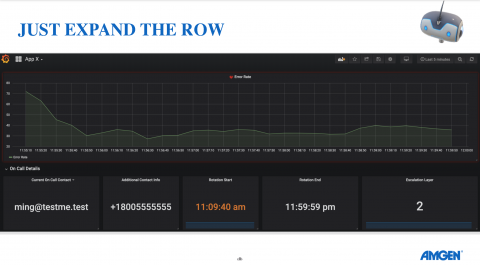
Pro Tips: How Amgen Manages On Calls (and Burnout) with Grafana

There is a lot of talk about graphing all the things, but have you ever considered graphing all the people – in particular their on calls – as well? “Not letting people burnout on call is something that is being talked about in the industry,” said Jordan J. Hamel, Design Engineer at the biotech company Amgen.

How to manually build a Ubuntu 18.04 Virtual Machine server with Oracle VirtualBox

This post will describe how to manually build a Ubuntu 18.04 Virtual Machine (VM) server using Oracle’s VirtualBox virtualisation software. Being able to build simple, expendable VMs is extremely useful, whether you’re writing software, building websites or just wanting to learn about Linux servers. We need to be able to SSH onto the server from our host machine to make access easier. To gain SSH access we therefore need to forward SSH’s port to our host.

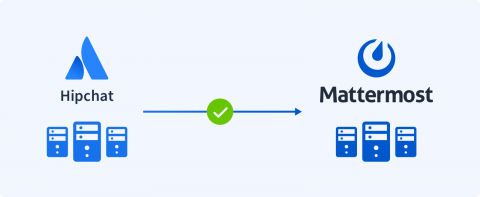
Webinar: Migrating from Hipchat to Mattermost

For years, high-trust organizations relied on Hipchat for team messaging because—unlike many popular messaging platforms—it could be hosted on-premise or in a private cloud. In July 2018, however, they found out that Hipchat would be decommissioned this year. In search of a secure messaging solution to replace Hipchat, many of these companies have migrated to Mattermost, the open source messaging platform designed for DevOps teams.