Operations | Monitoring | ITSM | DevOps | Cloud

7 Patch Management Best Practices

Patch management best practices ensure we do patch deployment effectively and in time to prevent significant data losses, cybersecurity attacks, and other risks when the software is not updated. Patch management is an essential part of IT Asset Management. In short, it consists of distributing and applying updates or software patches. It should be a well-established and thorough process to handle any vulnerability and other issues. This article will discuss these best practices.

TL;DR InfluxDB Client Libraries

InfluxDB is very powerful for working with time series data, but learning to use any new tool can be intimidating. The fear of a steep learning curve can delay or even prevent people from using new tools that would ultimately make things easier and more efficient. Fortunately, InfluxDB has over a dozen client libraries so you can work with InfluxDB using a language you already know.

On Counting Alerts

A while ago, I wrote about how we track on-call health, and I heard from various people about how “expecting to be woken up” can be extremely unhealthy, or how tracking the number of disruptions would actually be useful. I took that feedback to heart and wanted to address the issues they raised, and also provide some numbers that explain the position I took with these metrics on alerts.

How continuous profiling can help track resource usage, reduce latencies, and more

In 2019, Polar Signals Founder and CEO Frederic Branczyk predicted that continuous profiling would be the future of observability. Today, he’s making that future a reality with his open source continuous profiling tool, Parca. In this episode of “Grafana’s Big Tent” podcast, our hosts Matt Toback and Tom Wilkie chatted with Frederic about how he got his start in the continuous profiling world and how he’s built an active open source community around Parca.

Chaos Engineering Tools: Build vs Buy

Chaos Engineering, where engineers intentionally inject failure to test the reliability of their systems, is becoming a regular practice for companies who value uptime and availability. As cloud-based systems have grown more complex, Chaos Engineering has become a critical part of the software testing and release process to uncover surprise dependencies, fix problems before they become 3am outages, and bake reliability into every feature.

How to monitor Cassandra using OpenTelemetry

We are constantly working on contributing monitoring support for various sources, the latest in that line is support for Cassandra monitoring using the OpenTelemetry collector. If you are as excited as we are, take a look at the details of this support in OpenTelemetry’s repo. The best part is that this receiver works with any OpenTelemetry collector: including the OpenTelemetry Collector and observIQ’s distribution of the collector.

Unlocking Cribl Stream's LDAP Integration

Cribl Stream has supported external Lightweight Directory Access Protocol (LDAP) authentication since version 2.0 was released in late 2019. LDAP directories offer many features, and it’s up to clients to implement them for compatibility. Here is a non-exhaustive list of LDAP features that Cribl Stream does not support: This blog post explores how Cribl Stream implements LDAP for user authentication and assumes you have a working knowledge of the topic.

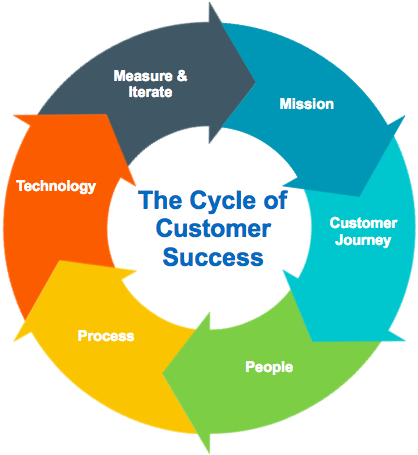
3 Methods To Improve Customer Success For Professional Services

Customer success management is designed to optimize customer engagement and encourage them to unlock value from your professional services. What customer success looks like for your professional services business will depend on customer objectives. Customer success managers must work to ensure that customers are in the best position to hit these objectives.