The real beauty of this modern, cloud-fueled, DevOps-driven world that we are living in is that it’s so highly composable. In so many ways, we’ve been freed from the limitations and structures of the previous annals of software and technology history to build things the way that we want to, and however we choose to do so.
Have you met anyone in your organization who likes the budgeting process? Probably not. Business areas don’t like to get stuck with allocations granted from guessing the amounts they’ll need long before a solid plan is in place. The finance department gets blamed when the business areas don’t get what they want. Executives dislike the infighting and arguments that result when people seek funding for projects that only somewhat align with the organization’s goals.
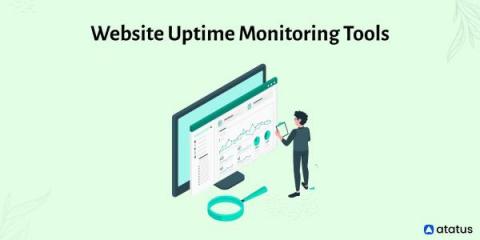
Uptime is the time period when your website and all of its contents are fully functional and accessible. It is expressed as a percentage, thus if your web is up 99% of the time, you can expect more than 7 hours of downtime every month. Downtime, as the name suggests, is when all or a portion of your service is unavailable. Disruptions result and potential customers are lost. Uptime monitors are useful for correctly logging, assessing, and informing on each downtime.
Codenamed “Kinetic Kudu”, this interim release improves the experience of enterprise developers and IT administrators. It also includes the latest toolchains and applications with a particular focus on the IoT ecosystem.
Do you have an application built with Django and PostgreSQL that you’d like to run on Kubernetes? If so, you’re in luck! In this tutorial, you’ll learn how to orchestrate your Django application with Kubernetes. Since we’re working with multiple microservices, it can be difficult to ensure all parts work together. This tutorial will demystify all that.
I am thrilled to announce that ScienceLogic posted its best quarterly sales bookings in our company’s history! Amid warnings from the broader tech industry slowdown, ScienceLogic proved once again to be an outlier, as current macro trends continue to drive strong demand for IT transformation.
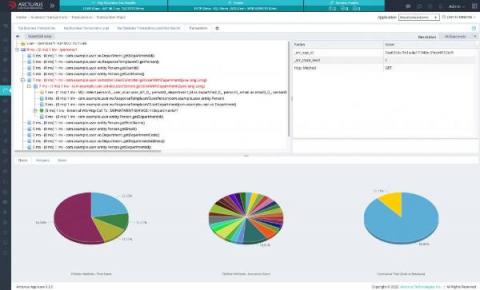
Microservices are being used every where and for good reasons. They do provide you with many benefits especially improved focus and cutting the time to market. Microservices do bring complexities too. Monitoring microservices is complex because of simply the number of them. Monitoring a user transaction requires monitoring many microservices. Correlating the data from them to identify the root cause manually is a nightmare especially in a complex environment with 100s or 1000s of microservices.
If you have arrived at this page but need a quick refresher on what Azure Active Directory is and why it is different to Active Directory that you might have installed on-premises, you might like to first read this quick run-down – What is Azure Active Directory.
According to the Python Developers Survey 2021 Results, the majority of developers don’t actively use frontend tools. This means if you wanted to create interfaces to display machine learning models and other systems you’ve built, you most likely need the assistance of another developer.