NOC, or network operation center, processes have been set in stone for decades. But it’s time for some of these processes to evolve. Digital transformation and the cloud era have led to the rise of DevOps, and with it, service ownership. Service ownership means that developers take responsibility for supporting the software they deliver at every stage of the life cycle. This brings development teams closer to their customers, the business, and the value they deliver.
In part 1 of this series, we talked about zombie data and what it means for your observability architecture. In this post, we’ll talk more about how to handle all of it. How well can your organization handle the firehose of data it’s collecting? Yes, you have the ability to collect it, but chances are you don’t have the financial or human resources available to analyze all of it effectively.
With customers’ Microsoft environments becoming more sophisticated, the days of MSPs being hired to ‘just’ service an organization’s Microsoft 365 needs are long gone. Pre-pandemic, tasks typically revolved around new client setups, migrations, and updating existing Microsoft setups. It’s a different story now. MSPs are focusing their time on digital transformation, which means that more processes are needed to manage tenants. So, how can processes be more efficient?
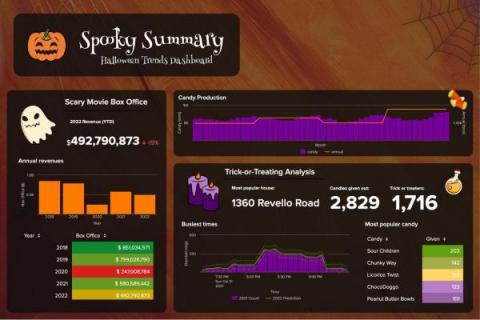
Dashboards are not just tools for businesses and other organizations to monitor and respond to their data, but can be a method of storytelling. All of our data has the potential to be crafted into compelling narratives, which can easily be accomplished with the help of Dashboard Studio’s customizable formats and advanced visualization tools. We can take a series of disparate datasets and bring them together in one place if they share a common theme — in this case, Halloween.
NOC, or network operation center, processes have been set in stone for decades. But it’s time for some of these processes to evolve. Digital transformation and the cloud era have led to the rise of DevOps, and with it, service ownership. Service ownership means that developers take responsibility for supporting the software they deliver at every stage of the life cycle. This brings development teams closer to their customers, the business, and the value they deliver.
There are many computing resources used in different cloud application services to provide online software-as-a-service (SaaS). SaaS differs from traditional applications in that it works from a cloud computing environment. This means that both the application service as well as user data are being hosted by a cloud provider in the cloud. Therefore, the SaaS and data are accessible from anywhere as long as there's online access. This model provides a distinct advantage from a software perspective.