Operations | Monitoring | ITSM | DevOps | Cloud

What is Patch Compliance?

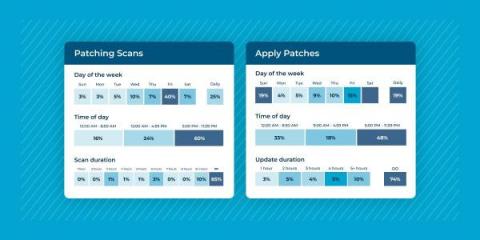
Software patching is the important process of deploying updates. These updates are often released to resolve security vulnerabilities and exploits that could lead to a cyberattack. In fact, many high-profile cyberattacks could have been minimized or avoided altogether if not for unpatched software -- which is why patch management is a critical part of cybersecurity best practices and compliance. As cybersecurity regulations continue to roll out, new standards are being created for patch management.


Webinar: 2023 ITOps budgeting to win: use new research-based outage cost data

It’s no secret that the digital transformation essentially broke IT operations. With the rise in technology came a rise in outages capable of bringing organizations to a screeching halt. Those outages are expensive, and for years, the same number was thrown around as the authority on how much an outage cost (around $5,600 per minute). This number took off and was used in presentations, sales decks and other resources for years. But how could this number have stayed the same year over year?

Best practices for continuous testing with Datadog

In Parts 1 and 2, we looked at how you can build and maintain effective test suites. These steps are a key part of ensuring that application workflows function as expected. But how you run your tests is another important point to consider, so in this post, we’ll walk through best practices for executing your tests across every stage of development. Along the way, we’ll also look at how Datadog supports these practices for the applications that you are already monitoring.

Maximize efficiency with Terraformer: Manage Squadcast resources via IaC

Ever since Terraform was first launched by HashiCorp, infrastructure teams have been quick to leverage its functionality. Because deploying infrastructure via code became so much easier and error-free. This surely became a great way to deploy new infrastructure with custom configurations, but what about managing cloud infrastructure that is already defined? Can Terraform be used to make changes to them? Or can it be used to deploy the same configurations to new environments?

How Tint Streamlines Infrastructure Automation and Meets Compliance Requirements

I recently had the opportunity to speak with Kevin Maschtaler, the Platform and Reliability lead at Tint, about their experience with Qovery. Tint began using Qovery in early 2022 to automate their infrastructure and support their team and customer growth. In this article, we will explore Tint's journey with Qovery, including how we continue to assist them with compliance in the testing and release process and how we help them save on cloud costs through our partnerships.

Optimizing Azure Cost with Azure Cost Management

Enterprise use of Microsoft’s Azure Cloud Services is expanding at an unprecedented rate as cloud computing usage expands. However, enterprises that have recently switched to Azure continue to have serious concerns about Azure cost efficiency. Managing the costs associated with Azure cloud infrastructure differs from reducing the cost of an on-premises server because Azure cloud infrastructure can be built as needed, typically outside the control of a traditional IT department.

All You Need to Know About Digital Scanning Solutions for Business

Businesses of all sizes are increasingly looking for digital scanning solutions. The reason is simple - this technology can save time and money. This blog post will discuss the different types of digital scanning solutions available and how they can benefit businesses of all sizes. It will also talk about the cost of these solutions and how to choose the right one for your business.

4 Types of IT Security Issues Companies Are Facing in a Tech-Enriched Environment

The world around us is changing, and it's changing fast. We're in an era of technology-fueled innovation, where the lines between our personal and professional lives are blurring and being redrawn every day. And we're not just talking about the way we communicate with each other; we're also talking about the way we work. For businesses, this means that they have to be able to connect to customers on their terms: online, on mobile devices, and through social media platforms. But this also means that companies need to step up their game when it comes to security.
Sponsored Post

Why Your Company Should Streamline Business Processes

When you streamline business processes, you increase operational efficiency and productivity by eliminating unnecessary steps. It all comes down to having the right tools in your corner. You do not need an extensive technology stack to make massive strides in streamlining processes. A single workforce management platform for unifying workflows can make all the difference. Straight off the bat, here are five key tips for streamlining business processes.