Operations | Monitoring | ITSM | DevOps | Cloud

How to build a CSS-only responsive website navigation

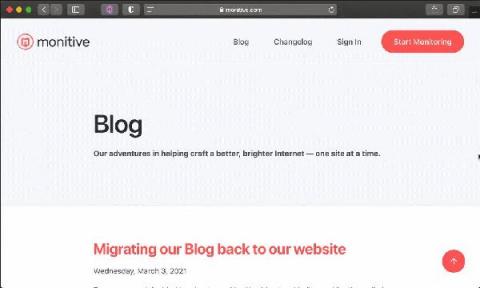
In the new light of website performance that I’m pursuing, I have learned to avoid Javascript at all costs. Here’s a nice Javascript-less desktop and mobile navigation update that we’ve added to our website. Inspired by Dirk Olbrich’s Hugo Starter Theme with Tailwind CSS this works by displaying a regular navigation bar on landscape tablets and desktop resolutions, but changes into a nice dropdown on mobile resolutions.

Monitor debugging data with NerdVision's integration in the Datadog Marketplace

NerdVision is a live debugging platform that enables users to take snapshots of their application’s state at runtime. NerdVision is compatible with .NET, Java, Node.js, Python, and ColdFusion applications—no matter where they are hosted—and doesn’t require any changes to the source code.

Desktop Central featured in 2021 Gartner Peer Insights Customers' Choice for UEM

At ManageEngine, customer satisfaction is not just a promise, but also a driving force behind everything we do. From resolving bugs to delivering a seamless experience, we always look forward to hearing what our users think about our solutions. That’s why we’re delighted to announce that ManageEngine Desktop Central has been recognized as a Gartner Peer Insights Customers’ Choice for Unified Endpoint Management Tools. To all of our customers who reviewed us, we want to say thank you!

10 Server Maintenance Tips for Efficient Server Maintenance

Just like your commercial vehicles or HVAC systems, servers require regular maintenance to ensure they are operating effectively and optimally. So, we decided to compile a list of server maintenance tips you should be doing. Keep in mind, these server maintenance tips are meant to be used as a guide to help you develop your server maintenance checklist and schedule.

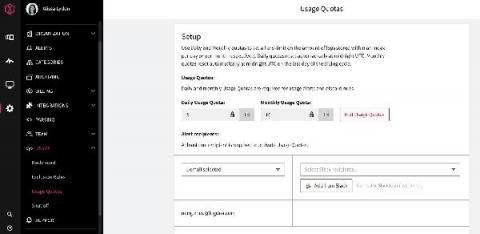
Control Your Logging Spend With Usage Quotas

We built LogDNA around the idea that developers are more productive when they have access to all of the logs they need, when they need them. However, we also know that log management can get expensive fast. And, for anyone who owns the budget for developer tools, logs can be an unpredictable line item as you try to determine your monthly, quarterly or even annual spend.

Centralized Log Management for Cloud Streamlines Root Cause Analysis

Cloud services make the daily tasks of business easier. They enable remote workforce collaboration, streamline administrative tasks, and reduce capital costs. However, these “pros” come with a few “cons.” The IT stack’s increased complexity means staff work across divergent log management tools when something breaks. Centralized log management for the cloud makes root cause analysis easier by aggregating all event log data in a single location.

Your guide to SSL certificates as an online customer

We’re all familiar with the internet, especially since we use it to do almost all of our daily activities. Since the days of that familiar buzzing noise of AOL dial-up as it connected to somewhere out there in the stratosphere, we’ve been hooked on the internet and its vast space that holds endless amounts of information, ready for us to tap into right at our fingertips.

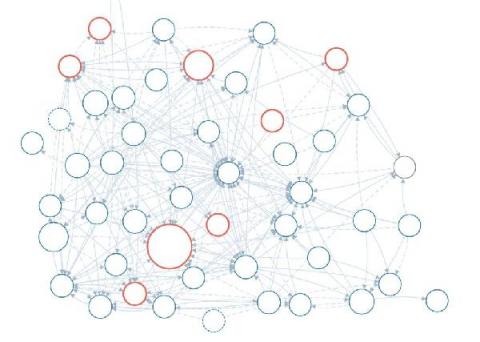
Service Map & Dashboards Provide Insight into Health and Dependencies of Microservice Architecture

With almost every blog you read about monitoring, troubleshooting, or more recently, the observability of modern application stacks, you’ve probably read a statement saying that complexity is growing as a demand for more elasticity increases which makes management of these applications increasingly difficult. This blog will be no exception, but there’s a good reason for that: we just enabled the first Sumo Logic customers with powerful new tools to tackle these exact challenges.

Observability vs. Monitoring: What's the Difference?

One of the more delicate debates in the DevOps world is what observability has to do with monitoring. Is observability just a trendy buzzword that means the same thing as monitoring? Is observability an improved version of monitoring? Are monitoring and observability different types of processes that solve different problems? The answer to those questions depends in part on your perspective.

Observability and Monitoring for Modern Applications

I drive a 2005 Ford diesel pickup truck. Most of the time my truck runs great. But occasionally an orange light on the dashboard will flicker on to alert me that something is wrong. Unfortunately, there’s no information about what is wrong and why. My truck has a monitoring solution, but not an observability solution. In many cases, IT has the same problem as my truck.