Amidst the nonstop pace of work to constantly evolve today’s digital business, we can forget to take a moment out to think about how it is that we’re doing that work. A new series of ‘coffee break’ webinars aim to provide that opportunity by pausing to look at the ways humans can best work with observability data. In particular, Coffee Break with Helen Beal looks at improving the work done by different types of software engineers that leverage artificial intelligence.
Large tech companies are monetizing and exploiting customer data in increasingly unpalatable ways. It’s no surprise that users are fighting back. It’s estimated between 25% and 50% of users are employing ad blockers. Unfortunately, some overzealous ad blocking tools have added TrackJS domains to their block lists. We believe the blocks are unwarranted (more below). We don’t sell or monetize our user data. Ever.
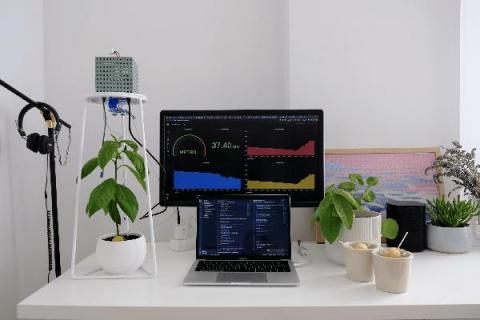
A couple months ago, during our Grafana hack days, I created my first monitoring solution: my sourdough monitoring system. It was a lot of fun to build it, and I enjoyed it a lot! So when the next Grafana hack day was approaching, I started to wonder what my next monitoring system could be. What would I like to learn more about? What would I like to get better at doing? To be honest, I didn’t have to think hard.
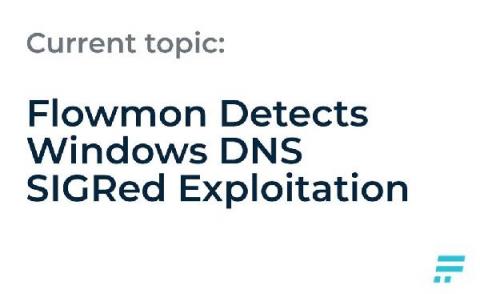
The vulnerability called SIGRed (CVE-2020-1350) has been around for 17 years, during which time it was present in Windows Server operating systems from version 2003 through 2019 and received a maximum severity rating of 10. It was finally patched in July 2020. As the vulnerability allows an attacker to perform remote code execution on Windows Server via DNS, it poses an extremely serious danger and can propagate over the network without user interaction.
Connecting Microsoft SCOM and ServiceNow is a no-brainer! If you want to synchronize your alerts with your incidents, view issues in real-time, and generally make your life easier then why wouldn’t you! But, we know not everyone is tech-savvy enough to develop these solutions themselves, so we’ve written this blog to give you a helping hand. So, if you want to give it a go and build your own integration tool, then here’s how to get started.
Logging is tricky. You want logs to include enough detail to be useful, but not so much that you're drowning in noise - or violating regulations like GDPR. In this article, Diogo Souza introduces us to Ruby's logging system and the LogRage gem. He shows us how to create custom logs, output the logs in formats like JSON, and reduce the verbosity of default Rails logs.
For our API, we’ve been happily using NewRelic’s monolog enricher for a while, which sends our application logs to NewRelic at the end of each request, making it light and fast for our system not to be bothered by it. Until it stopped working with the upgrade to Composer 2, and they knew about it for several months and still didn’t do a single thing to fix it. So I decided to move to Logflare. Logflare is a fast, light, scalable, and powerful logging aggregator.