Operations | Monitoring | ITSM | DevOps | Cloud

A Day in the Life: Intelligent Observability at Work with an ITOps Hero

This is the second in a series of blog posts exploring the role that intelligent observability plays in the day-to-day life of smart teams. In this post, meet our clever ITOps engineer, James, as he reduces noise and distraction using intelligent observability.

New Pandora FMS features and improvements

Today we are here to make a small compilation of the new Pandora FMS features launched throughout this last year 2020, a general review of all the small advances that we incorporated and that will be useful when you are at the controls of our software. Mainly we are going to deal with new features but also great improvements in quality of use that we added to Pandora FMS throughout 2020.

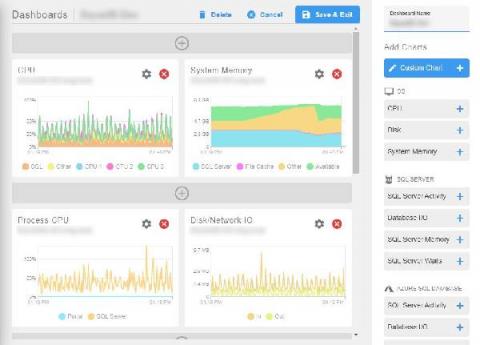
Your Performance Data, Your Way With Custom Charts in SentryOne Portal

Our product and engineering teams have spent a significant amount of time over the past year working on a new dashboard experience in SentryOne® Portal to give you the upper hand in monitoring your servers and diagnosing performance issues. Providing control over the way data is displayed is one of our most requested features, and we’re excited to satisfy this request with custom charts.

SQL Sentry Events Log Updates Provide a Centralized View of Events

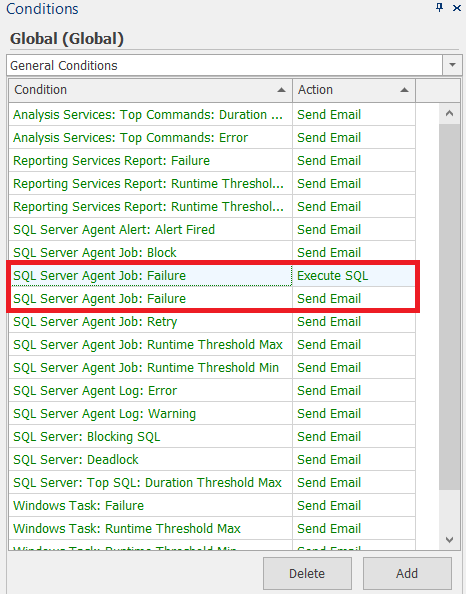
The SQL Sentry Environment Health Overview (EHO), which is part of the dashboard shown on the Start page, enables you to see all the conditions that have fired alongside the overall health of your database environment. We understand how useful it is to be able to quickly review the health information without having to dig deep into performance data, and we’re excited to announce a few enhancements to the EHO, Events Log, and Actions Log available in the SQL Sentry 2021.1 release.

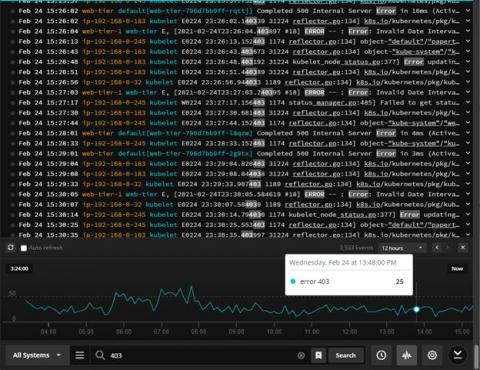
Debugging Development Logs with Papertrail and rKubeLog

It’s important to ensure the logging and monitoring of a service is as consistent across environments as the code itself. However, it can be expensive and cumbersome to test the logging functionality with the usual required log exporters, database infrastructure, and processing requirements of normal production-grade solutions.

The future of SCOM

'SCOM is here to stay'. Please read the following extract from an article written by Richard Benwell, CEO at SquaredUp. Gartner predicts that 30% of Enterprise IT spending will be on cloud and outsourcing by 2023. That’s 70% spending on non-cloud and outsourcing – the in-house infrastructure and software we have today. And if you’re running traditional Windows and Linux workloads at scale, SCOM remains the best tool on the market.

Microservices vs APIs: One Doesn't Always Imply the Other

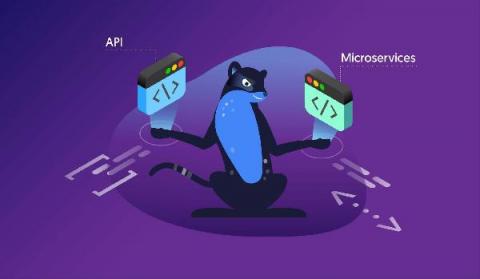
When it comes to conversations around application architecture or working with integrations between applications, you’ve likely heard a couple terms pop up a few times: microservice and APIs. You might also have run across the common misconception that microservices are just a way to implement APIs so they can communicate with each other. As you’ll see in this article, there are alternative ways to architect our microservice applications.

Why we're partnering with Elastic to build the Elasticsearch plugin for Grafana

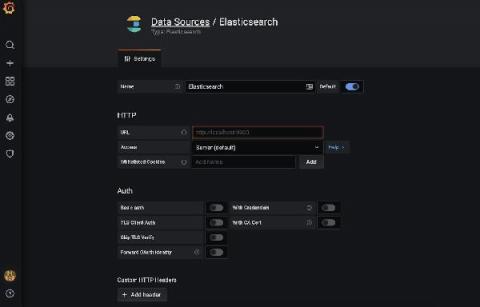
As I’ve often talked about before, we have a “big tent” philosophy at Grafana Labs. We believe our users should determine their own observability strategy and choose their own tools; Grafana allows them to bring together and understand all their data, no matter where it lives. In practice, that means that we want to support data sources that our users are passionate about.

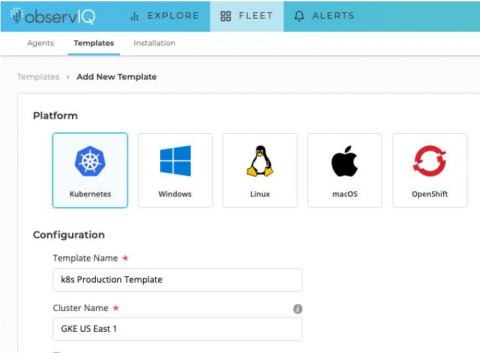
Kubernetes Logging Simplified - Pt 1: Applications

If you’re running a fleet of containerized applications on Kubernetes, aggregating and analyzing your logs can be a bit daunting if you’re not equipped with the proper knowledge and tools. Thankfully, there’s plenty of useful documentation to help you get started; observIQ provides the tools you need to gather and analyze your application logs with ease.

How to use Glouton as Nagios NRPE Daemon

When using Nagios, the NRPE daemon has been the traditionnal solution to implement local checks (load, number of users, custom scripts, etc.). All other checks are performed remotely from the Nagios server. NRPE daemon has been a bit challenging as you need to keep it in sync with your Nagios server and sometimes backporting this daemon can be painful. As Glouton has been implemented in Go, when you need a Nagios NRPE daemon, you can just use the binary on any compatible system and voila.