Operations | Monitoring | ITSM | DevOps | Cloud

How KCB Bank Uganda greatly improved transaction service monitoring with Grafana

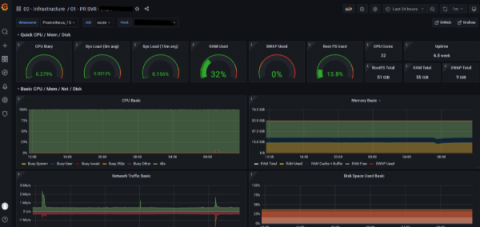
In 2019, KCB Bank Uganda reviewed its systems and came to a startling realization: Due to outdated monitoring processes, its services could be down for hours before anyone was alerted internally. This downtime led to frustrated consumers, a rise in customer service complaints, and a decline in revenue.

5 Predictions for Kubernetes in 2023

It should surprise no one that Kubernetes uptake is growing and will continue to do so. The wildly popular container orchestration platform’s continuous development is fueled by broad adoption. This will continue in 2023 as more companies, teams and individuals embrace it as a platform for innovation, building new applications and scaling existing ones faster than ever before.

Building Resilience in Manufacturing with the Power of Data

Resilience has become the new strategic imperative for manufacturers during these testing times. As the world’s challenges make headlines, so do the innovative responses of manufacturing leaders. Savvy manufacturers automate, overhaul fundamental processes, modernize their security posture and reduce their CO2 footprint. Forward-focused organizations double down on their cloud investment to become more agile and resilient. And none of it is possible without data.

How Covid-19 has Impacted the Software Developers

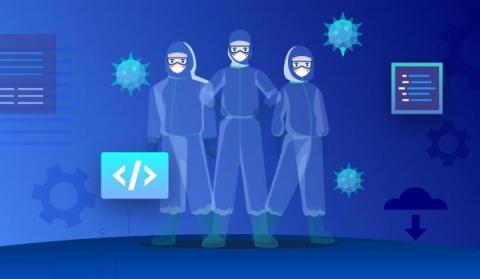
In 2020, the Covid-19-induced lockdown forced all companies to rely on the Work from Home (WFH) policy as an important measure for business continuity. It was an easy transition for the software and IT professionals compared to other industries. However, switching to WFH wasn’t as simple as a one-click operation. There were challenges in WFH, spanning from technical issues to infrastructure setup, as well as in managing the physical and mental well-being of the workforce.

Learn about the meaning and value of cloud-native from experts at Atchison Technology, Qumu, Microsoft, and Techstrong Group

In the past decade, we've seen explosive growth in the adoption of the cloud-based infrastructure model. IT organizations are increasingly choosing to reduce their up-front investments in IT infrastructure by deploying their applications into cloud environments. These environments offer on-demand availability of data storage and computing power that organizations need to handle high volumes of data and growing demand for application access and services.

Kubernetes and Cross-cloud Service Meshes

As today’s enterprises shift to the cloud, Kubernetes has emerged as the de facto platform for running containerized microservices. And while Kubernetes operates as a single cluster, enterprises inevitably run their applications on a complex, often confusing, architecture of multiple clusters deployed to a hybrid of multiple cloud providers and private data centers. This approach creates a lot of problems. How do your services find each other? How do they communicate securely?