The latest News and Information on DevOps, CI/CD, Automation and related technologies.
This is a repost from the JFrog dev.io blog site. When you’re new to an industry, you encounter a lot of new concepts. This can make it really difficult to get your feet underneath you on an unfamiliar landscape, especially for junior engineers. In this series, I’ll cover tools and terminology common to the DevOps space, plus the occasional newbie-friendly tutorial for emerging or established technologies. If you have a request or suggestion, let me know!
According to a recent study, 96% of applications in the enterprise market use open-source software. As the open-source landscape becomes more and more fragmented, the task to assess the impact of potential security vulnerabilities for an organisation can become overwhelming. Ubuntu is known as one of the most secure operating systems, but why? Ubuntu is a leader in security because, every day, the Ubuntu Security team is fixing and releasing updated software packages for known vulnerabilities.
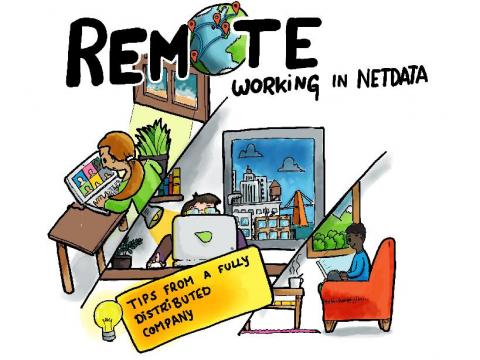
The coronavirus (COVID-19) pandemic has forced many organizations to take unprecedented steps towards remote working. As a fully distributed team, we’ve faced the common challenges of remote work. Based on our experience from our very beginning in 2018, all but a few of these organizations new to remote working will face hurdles to overcome and may try to revert to colocation as soon as possible. Remote working is hard, even when it’s carefully planned and executed.
As a team that does pure serverless, we place a lot of emphasis on fast deployments. Lately, though, as our codebase has gotten larger, and the number of interactions between the microservices has increased, we have come up against the classic problem of excessively long test execution times in our serverless continuous integration.
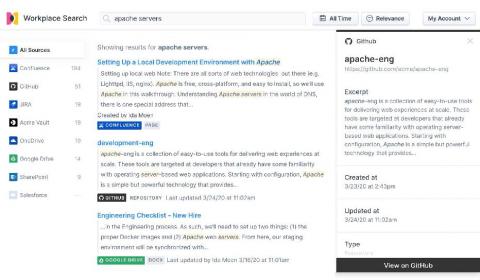
More than 40 million people use GitHub as a collaboration tool for building software around the world. For most companies — including distributed teams like Elastic — GitHub has become a critical content source for building software, holding much of the information and knowledge upon which the organizations are built, across items like issues, pull requests, and more.