Operations | Monitoring | ITSM | DevOps | Cloud

The latest News and Information on DevOps, CI/CD, Automation and related technologies.

How Gremlin helps you meet Google's Infrastructure Reliability standards

In January of 2023, Google released its infrastructure reliability guide, which provides guidelines on how to build high-availability applications in Google Cloud. While it's written for Google Cloud, it provides some excellent general-purpose information on how to architect reliable applications on any cloud provider, including: In this blog, we'll explain each of these factors and how you can use Gremlin to ensure you're meeting your reliability requirements.

Is open-source as secure as proprietary software?

We’re surrounded by news of data breaches and companies being compromised, and the existential threat of ransomware hangs over just about every organisation that uses computers. One of the consequences is that we are hassled by an ever-increasing number of software updates, from phones and computers to vacuum cleaners and cars; download this, restart that, install the updates.

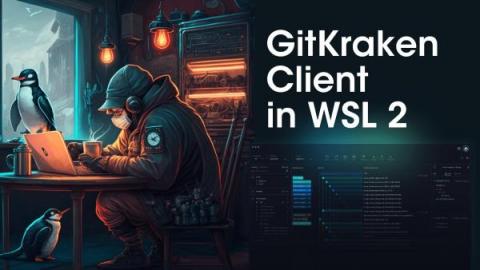
Using GitKraken Client in WSL 2

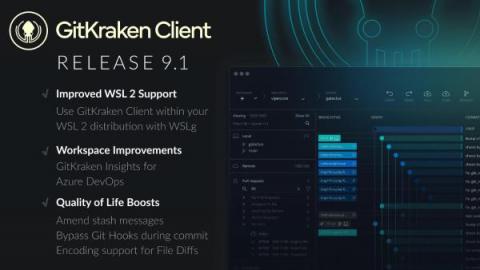
WSL 2 is useful for developers who prefer a Linux development environment but need to use Windows as their primary operating system. And GitKraken Client is used by developers and teams to visualize and work efficiently with their Git repositories. With the 9.1 release of GitKraken Client, you can combine the benefits of both resources. In this article, we will explore the advantages associated with using GitKraken Client in WSL 2 and provide step-by-step instructions on how to get set up.

How Are You Making Storage Placement Decisions-and Does It Matter?

According to Virtana’s recent State of Hybrid Cloud Storage survey, most organizations have a little over half of their storage in the cloud, keeping the rest on premises. But how are they deciding what storage goes where? Is there such a thing as a wrong—or even just sub-optimal—storage placement decision? We dug into the data to answer these questions.

Running API and Browser Checks Using Terraform, AWS, and Checkly Private Locations

When adding new Checks in Checkly a number of locations are available to check your endpoints from multiple locations around the world. For most use cases this is more than enough to ensure your resources are online. However, these locations are outside of your network and are unable to check on resources deployed more securely inside your private network.

Azure Storage Security: Keep Your Data Safe

In today’s digital world, data security is a top priority for businesses and individuals alike. With the increasing popularity of cloud computing, many organizations are relying on cloud storage services to store their sensitive information. Microsoft Azure Storage is one of the most popular cloud storage services, offering a range of storage solutions to meet the needs of different users.

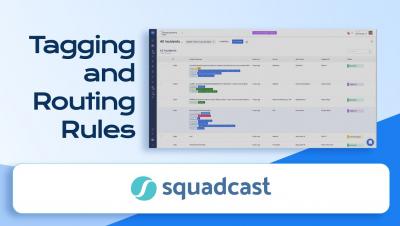
Using Tagging and Routing Rules in Squadcast I Incident Classification I Event Tagging I Squadcast

Event Tagging is a rule-based, auto-tagging system with which you can define customized tags based on incident payloads, that get automatically assigned to incidents when they are triggered. This video explains how to create Tagging rules for efficient Incident Classification.

Azure end-to-end transaction details with enhanced visibility

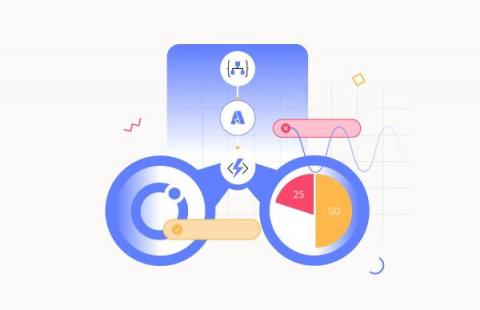
In this blog, we look at the importance of viewing Azure end-to-end transactions from the perspective of a business user, the overall benefit of Business Application Monitoring, and how Serverless360 BAM can help your organization by providing business insights in your Azure integration transactions.

GitKraken Client 9.1: When Our Users Speak, We Listen

In our 2022 year in review, we recapped the six highly-requested features that were implemented over the course of the year. We also acknowledged the five highly-requested features that “got away” – meaning we hadn’t gotten to them… yet! Well, GitKraken Client 9.1 is here, we’re happy to share that two of those enhancements are now accounted for, along with other user-requested features and improvements that represent input from over 1,000 users.

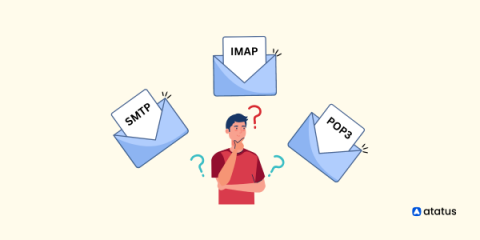
How To Choose The Email Protocol: IMAP vs. POP3 vs. SMTP

Email marketing is effective when done right. Since emails go through a complex journey after we hit ‘Send,’ we need to know what happens as they travel. Behind the scenes, an email goes through a complex journey that consists of several steps. And each step is defined by the email protocol being used. Depending on the email protocol, our emails will go through more or fewer stages before they reach the recipient's inbox. Keep reading to see email protocols explained.