Mailchimp
Not subscribed to OpsMatters Newsletter


The rise of self-hosting has revolutionized the way businesses operate online. With organizations increasingly moving away from traditional hosting services to manage their own infrastructure, the need for effective monitoring solutions has become paramount. However, self-hosting monitoring poses numerous challenges that can make it a daunting task for many businesses.
Community Client libraries are back with InfluxDB 3.0. If you would like an overview of each client library then I highly recommend checking out Anais’s blog on their status. In this two-part blog series, we do a deep dive into the new Python Client Library and CLI. By the end, you should have a good understanding of the current features, how the internals work, and my future ideas for both projects.
As a leader in IT, the question of whether or not it makes sense to adopt a dedicated software troubleshooting solution probably comes up from time to time. If it's happened in your organization — no worries — you're not alone. Many teams wonder if their current tools, such as an Application Performance Monitoring (APM) solution or a suite of open-source solutions are sufficient.
Fastify is a cutting-edge web framework for Node.js that offers exceptional speed and efficiency. With its extensible plugin system, support for asynchronous programming, and focus on minimalism, it is an ideal choice for backend developers developing Node.js applications. But even the most performant web applications can encounter issues that are difficult to debug without the proper tools in place. We will explore how to use AppSignal for a Fastify application.
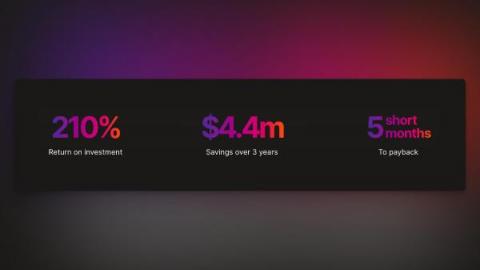
In the fast-paced high-tech industry, efficient incident management is a critical factor in maintaining brand reputation, employee morale, and most importantly, your bottom line. Good practices can result in reduced downtime, increased learning opportunities from incidents, and an enhanced reputation among both the engineering community and customers. But quantifying the true cost of incidents has always been a challenge — until now.