Mailchimp
Not subscribed to OpsMatters Newsletter


Anyone whose company has suffered a ransomware attack can tell you that the negative effects are extensive. Ransomware attacks are costly, time-consuming, and damaging to your organization whether you pay the ransom or not. Losing your data would almost certainly be a complete disaster. The question, then, is a pressing one: How do you get your data back without paying the ransom?
As an IT service provider, you’re likely dealing with all you can handle. The good news is that implementing remote management is not one more thing on your to-do list; rather, it’s an essential tool for getting tasks off your list more quickly. This post will provide an overview of remote management solutions, essential components of a good, reliable solution, and best practices that will help you get the most out of your implementation.
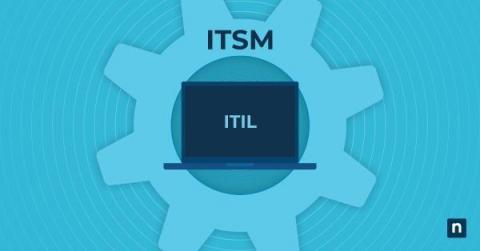
IT professionals always search for the most efficient and cost-effective solutions, methods, and best practices. The Information Technology Infrastructure Library (ITIL) and Information Technology Service Management (ITSM) are related guidelines that can help in this pursuit. Both ITIL and ITSM revolve around providing IT services. Although they prioritize and attend to different things, ultimately, their goal is to improve both efficiency and efficacy. Read more about ITIL vs. ITSM below.
OpenTelemetry vs. Prometheus - Difference in architecture, and metrics.
Building and supporting a video game project is challenging. It is a complex and intricate process that balances difficult time constraints and ambitious goals while keeping a highly engaged and demanding user base happy. Game developers need every advantage possible in the development and support process to succeed. One of the best ways to ensure that a game is successful is to make sure that every shipped version of the game project contains as few crash-causing defects as possible.
We’re pleased to announce that the Komodor platform has published an Amazon Elastic Kubernetes Service (Amazon EKS) Blueprints CDK Add-On. Amazon EKS is a managed Kubernetes service that streamlines the deployment and scaling of cloud-based or on-prem K8s clusters.