Mailchimp
Not subscribed to OpsMatters Newsletter


The more people realize the many ways automation makes their jobs easier, the more they want to apply it – and not just in IT, but across business departments and for multiple processes. By 2025, Gartner predicts: IT individuals have been taking advantage of automation for at least 10 years, but as the stats show, organizations as a whole are gravitating toward the value automation can bring.
For nearly a decade, Logz.io has offered a proven pathway for organizations using the world’s most popular open source tools to monitor and analyze their cloud systems—allowing them to enlist a far more efficient and cost-effective approach.
Observability architecture and design is becoming more important than ever among all types of IT teams. That’s because core elements in observability architecture are pivotal in ensuring complex software systems’ smooth functioning, reliability and resilience. And observability design can help you achieve operational excellence and deliver exceptional user experiences. In this article, we’ll delve into the vital role of observability design and architecture in IT environments.
The Azure Files update in 2023 introduced Azure Active Directory support for REST API, enabling SMB file share access with OAuth authentication. This advancement improved the scalability of Azure Virtual Desktop by increasing the root directory handle limit from 2,000 to 10,000. Additionally, the public preview of geo-redundant storage for large file shares enhanced capacity and performance, while the Premium Tier now guarantees a 99.99% uptime SLA for all premium shares.
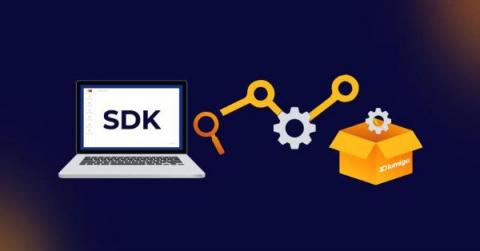
Welcome back to the final installment in our three-part series on building your own SDK generator.