Uptrace v1.6 is available
The Uptrace team is pleased to present the latest v1.6 release, which adds support for service graphs, Prometheus remote write, Grafana data source for Prometheus, annotations, and much more.


The latest News and Information on Monitoring for Websites, Applications, APIs, Infrastructure, and other technologies.
This blog post discusses utilizing Cribl Search to pull and visualize data from the AWS API without ingesting data. This will allow you to collect, analyze, and visualize data from your AWS account in real time without ingesting the data first.
Kubernetes is a top container orchestration platform. The Kubernetes clusters manage everything much from collecting to storing vast magnitudes of data from your multiple applications. It is this very property that can sometimes boom into an unending data pile later on. Imagine a large warehouse of apparel, it has every size of clothing for men, women, and children. Now if you are asked to pick out one particular type from it within a small time frame, I know you will totally dread it.
Lightrun’s LogOptimizer stands as a groundbreaking automated solution for log optimization and cost reduction in logging. An integral part of the Lightrun IDE plugins, this tool empowers developers to swiftly scan their source code—be it a single file or entire projects—to identify and replace log lines with Lightrun’s dynamic logs, all within seconds.
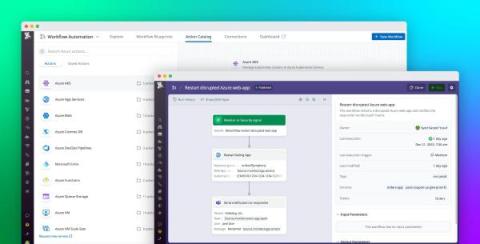
Datadog Workflow Automation speeds up incident response and remediation for DevOps, SRE, and security teams by enabling them to automatically run predefined task sequences whenever specific alerts or security signals are triggered. After the feature’s initial release in 2023, Datadog is now excited to announce a significant expansion of its Workflow Automation capabilities with Azure actions, allowing engineers to create automated workflows for their Azure resources for the first time.
I’m currently working on a small team within Honeycomb where we’re building an ambitious new feature. We’re excited—heck, the whole company is—and even our customers are knocking on our door. The energy is there. With all this excitement, I’ve been thinking about a risk that—if I'm not careful—could severely hinder my team's ability to ship on time, celebrate success, and continue work after launch: burnout.