AIOps SaaS vs. On-Premises: What You Need to Know
Changes in the way organizations consume technology are reflected in the growth of the software-as-a-service (SaaS) market.

As we previously discussed in the Automating Your Cloud Security Posture Management (CSPM) Response blog post, CSPM is a vital component in any environment leveraging cloud services. Whether you are using a single cloud or are in a multi-cloud scenario, the complexity of these cloud platforms is constantly expanding. Staying on top of new changes in policies and functionality to ensure that you are maintaining a secure environment is daunting - and almost impossible to do without automation. No one has the resources to spend on maintaining a large team of cloud specialists who just audit everything that is in use.
We are all moving towards a digital workplace - or a hybrid work scenario. Whatever be the case, you can expect end-users to call and complain about a poor WiFi experience. That's because network monitoring needs to be done from their standpoint, not from the enterprise end. And without the correct WiFi observability data, it's challenging to narrow down the root cause of the problem affecting remote employees. And those problems - poor WiFi performance leading to poor digital experience - can be pervasive and persistent.
Over the last two years a series of unexpected events has scrambled global supply chains. Coronavirus, war in Ukraine, Brexit and a container ship wedged in the Suez Canal have combined to delay deliveries of everything from bicycles to pet food. In response, a growing group of startups and established logistics firms has created a multi-billion dollar industry applying the latest technology to help businesses minimize the disruption.
With a constant stream of new technology and customer questions, it can be challenging to manage it all while keeping up with all the necessary tasks to ensure things are running smoothly. For example, help desk asset management software was designed to help with providing IT support services to customers while also managing company assets.
Dell Technologies World is upon us, and in addition to being a welcomed return to the in-person format, it’s also an opportunity for me to reflect on Virtana’s long history with Dell, our integration points, and the synergies with the Dell portfolio.
Barcode is one of the oldest & pioneer asset tracking technology. It provides simple and effective asset tracking and along with that, it is cost-effective as well. Several technologies have evolved with barcode technology one of the examples is QR (Quick Response) code technology. Barcode-based Asset Tracking Software offers quantifiable benefits such as asset location tracking, saving assets from theft misplacement, data & information tracking, and data analysis.
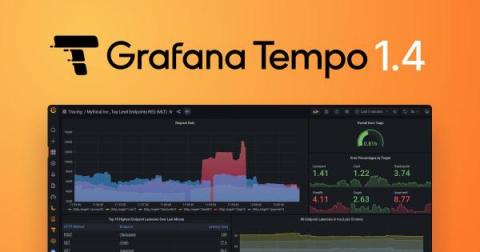
Grafana Tempo 1.4 has been released and features a new optional component: metrics generator, which automatically generates RED metrics and service graphs from your traces. We’re actively rolling out the metrics-generator service to our own Grafana Cloud offering and are looking for Grafana Cloud Traces customers wanting early access. If interested, you can email our support team for more details.