Operations | Monitoring | ITSM | DevOps | Cloud

A practical approach to Active Directory Domain Services, Part 4: AD groups and OUs

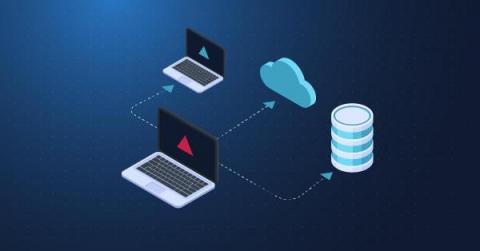
Active Directory (AD) objects are rarely managed as standalone entities. In Part 3 of this series, we covered practical exercises for creating and managing two of the most critical AD objects, namely users and computers, after setting up a laboratory AD environment on virtual machines. To manage AD effectively, knowledge and practical experience with AD groups and organization units (OUs) is imperative. In this fourth part of our series, we’ll elaborate on this.
SAP cloud integration - A definitive guide

Deciding between SAP cloud integration methods can be confusing. There are so many options out there, with each one offering different benefits. In this article, we’ll discuss the benefits and drawbacks to a SAP cloud on Rise integration methods. We’ll also cover the steps you’ll need to take to choose the method that’s right for your organization. Take An in depth look at SAP cloud on Rise integration, what it involves, and how you can begin planning your own path.

4 Tips for Creating a Successful Backup Strategy

Businesses of all sizes lose an average of $4,500 for every minute of downtime they experience, and often that downtime is a result of data loss. Data loss can occur for a multitude of reasons, such as theft, natural disasters, software corruption, or human error. In addition, you can combat the adverse effects of data loss by creating a backup strategy.

Telework: The employer's obligations

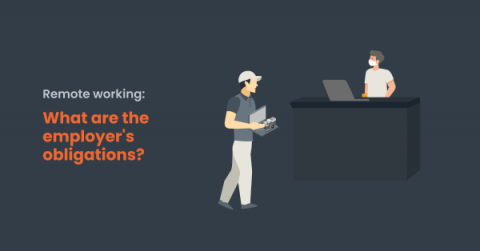
Government measures that were put in place to limit the spread of covid-19 forced employers to change the working conditions of employees. The most common measure was the requirement to work remotely whenever possible. With the relaxation of health measures, some employers have decided to reinstate the working conditions that previously existed. Others, on the other hand, have opted for the flex office to continue to offer employees the opportunity to work from home.

Open source solutions that drive logistics sector's digital transformation

As with organisations in many other industries, logistics services are under intense pressure to remain competitive to face severe market disruption. Disruptive innovation has reached this industry, which is currently experiencing strong inflexion points. The logistics sector is being forced to innovate as rapidly and quickly as possible. Therefore, organisations need to stay competitive and drive innovation processes.

Fixing SCOM's blind spots

Since its origins as MOM 2000, SCOM has been widely regarded for being awesome at two things: firstly, being the hands-down best solution for monitoring Windows Server environments (it is Microsoft’s monitoring tool, after all); and secondly, being an extensible monitoring platform that can act as a single pane of glass across your data center environment.

4 Tips to Manage Heavy Construction Equipment Management

The construction industry is filled with lots of equipment that is essential for running daily operations. Without them, it will be a hectic task and time-consuming as well. Therefore, it is significant to keep the equipment maintained and in good shape. But how to do that because assets are kept in distinct locations and how will they get maintenance on time? This is where equipment asset management software comes into play!

Now in Beta: Better Uptime Integration

StatusGator has a wide a variety of use cases: from education to help desk to IT and managed services and DevOps, too. All corners of an organization depend on cloud services and StatusGator gives you visibility into the status of all of your vendors. We’ve heard over and over from our DevOps users that alerts and notifications for their teams are already centralized into a single incident management platform such as OpsGenie, PagerDuty, or FireHydrant.

Getting Started With Docker Compose and Speedscale CLI

Observability, introspection, logging, and dependency mapping are critical when building APIs. With the advent of microservice architecture, understanding what happens inside your container is vital during development. Speedscale CLI is a container-centric tool that allows you to monitor inbound and outbound traffic. With Speedscale CLI, you can monitor raw requests, latency, encoding, and detected technologies.