Operations | Monitoring | ITSM | DevOps | Cloud

Is Developer Self-Service a Lie?

Over the weekend, I visited one of my favorite grocery stores to pick up one item, my favorite fruit e.g star fruit. Because of the location, the grocery star started to implement parking validation so folks would not abuse their free parking deck for extended periods of time. As I just had a handful of star fruits, I decided to use the self-checkout. This was my first time buying produce via self-checkout.
12 free mini-tools for website owners

Not everyone knows that for quite some time now, as part of our website, we have been providing free tools designed for anyone who runs and promotes their own website. No matter if it’s a blog, a company website, an online shop or a SaaS application – everyone will find something useful here. Over the years we have gathered more than 10 tools, so we decided to remind you about them – or inform you if you don’t know them yet.

Make Meetings Work in the Modern Workplace: Introducing Microsoft Teams Meeting Room Monitoring

Today’s organizations are adapting office spaces and technology to meet the needs of a hybrid workforce. Microsoft is leading the way, bridging the gap between people working remotely and those in the office with the Microsoft Teams Meeting Room solution that allows everyone to be seen, heard, and fully participate from anywhere.

Three Ways COVID-19 Altered Federal, State IT Budget Allocations

Wondering how the pandemic affected your agency’s budget? Brandon Shopp answers this question and discusses how the pandemic impacted security and service delivery through budget allocations. Amid a rising tide of ransomware attacks against governments and schools nationwide accelerated by the COVID-19 pandemic, tech pros are prioritizing investments in core technologies to manage risk, including security and compliance, network infrastructure, and cloud computing.

5 Ways Automated Incident Response Reduces Toil

Toil — endless, exhausting work that yields little value in DevOps and site reliability engineering (SRE) — is the scourge of security engineers everywhere. You end up with mountains of toil if you rely on manual effort to maintain cloud security. Your engineers spend a lot of time doing mundane jobs that don’t actually move the needle. Toil is detrimental to team morale because most technicians will become bored if they spend their days repeatedly solving the same problems.

The Top 5 Benefits of Automated Dependency and Discovery Mapping (DDM)

In order to manage the impact that every entity has on your IT environment, an accurate Configuration Management Database (CMDB) is essential. This tool provides the visibility you need to quickly execute tasks like daily management, determining how to fix an outage, and planning major initiatives like cloud migrations or application changes. To create and maintain an accurate CMDB, automated dependency and discovery mapping (DDM) is key.

How Offishall Uses DigitalOcean and Papertrail to Simplify Hybrid Work

Paris-based tech startup Offishall is all about simplifying and streamlining modern hybrid work. CTO Bruno Ronzani and his team rely on reliability, speed, and simplicity from DigitalOcean Droplets and Papertrail™ log management. This foundation helps ensure Offishall delivers the seamless web experience their customers—and regional manager Dwight K. Schrute—demand.

Debugging Java Collections Framework Issues in Production

The Java Collections Framework was a huge leap forward when it was introduced as part of Java 2 (JDK 1.2). Thanks to the included collection classes we finally moved beyond the limits of Vector and Hashtable to more mature and generic solutions. With the introduction of streams and functional concepts in Java 8 the framework took everything to the next level. One of the core principles underlying the framework is coding to the interface.

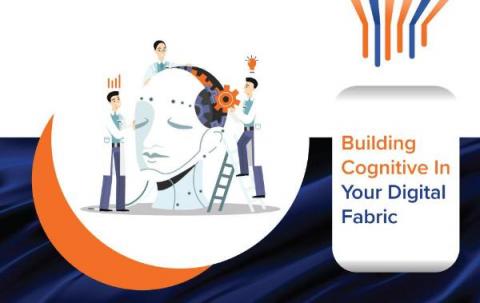
Building cognitive automation in the digital fabric

Cognitive automation is part of the digital fabric that is predominantly weaved with technologies like AI and ML to drive automation at an enterprise-wide level that is capable of thinking like humans along with mimicking human behavior. Digital Fabric, “It is the combination of technologies enabling automation to serve dynamic business needs of organizations that seek digital transformation to enhance business outcomes.”

CRM vs ITSM: What are the Differences & Similarities?

In the world of IT, it’s common to see the terms CRM and ITSM being thrown around without much explanation of what they are and what they achieve in the grand scheme of things. The truth is that these tools are integral to any company’s success and learning to identify what they are —and most importantly how they work, should clear up any doubts when trying to implement them in day-to-day IT operations.