Organizations leverage many different cybersecurity and observability tools for different departments. It’s common to see the IT department using Splunk Enterprise, while the SOC uses Exabeam. Both of these tools use separate agents, each feeding different data to their destinations. Normally this isn’t a problem unless you’re talking about domain controllers. Domain controllers only allow a single agent, meaning you can’t feed two platforms with data.
One year ago, we launched Cribl.Cloud as a cloud-hosted option for our industry-leading data pipeline product, Cribl Stream. Customers had a choice of either deploying on-premises with a subscription-based tiered license model or opting for our cloud service with a similar tiered billing model. Fast-forward one year, and Cribl is now a multi-product company with several unique observability products (Stream, Edge, AppScope, and soon Search) to offer our customers.
Usually, maintenance is performed based on two factors first is when asset failure has occurred and second is scheduled maintenance. In both cases, asset maintenance is done when the asset is in good condition or when it is too late. This is where condition-based monitoring maintenance comes into play. This maintenance is proactive, and maintenance is given to assets when it is required. For this purpose, assets are inspected regularly, several asset tracking techniques are used such as IoT.
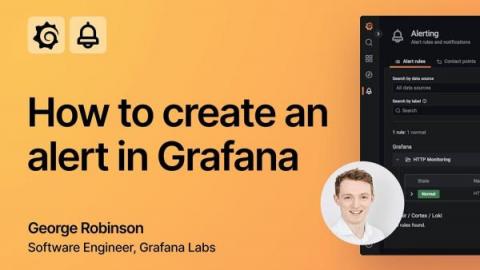
With the Grafana 9.0 release, we rolled out the new and improved Grafana Alerting experience, which is now the default alerting system across all of our products. Along with introducing significant improvements to Grafana Alerting based on community feedback and more robust alerting documentation to guide our users, we also created easy-to-follow video tutorials to help you get started with creating alerts.
The past few years have led to a significant increase in customer demands, and customer service agents are feeling the pressure. According to a recent Zendesk CX Trends report, 68% of agents report feeling overwhelmed. Here at PagerDuty, we believe that happier customer service agents lead to more positive customer interactions and stronger relationships with your brand.
We’ve got exciting news: The Forrester Wave™: End-User Experience Management, Q3 2022 report has been released – and Nexthink has been named a leader in End-User Experience Management! In case you’re unfamiliar, this report provides a comprehensive evaluation of the nine most significant end-user experience management (EUEM) providers by one of the world’s leading research and advisory firms.
To find out, we pulled ratings from G2 and Capterra for 90+ products across 12 different software categories. The result is this guide full of comparison charts, highlighting how individual products stack up against one another in terms of overall satisfaction, usability, and quality of support. The hope is these charts provide MSPs with a helpful starting point for researching their many (and growing) options.