Enreach further strengthens European footprint with acquisitions in the Netherlands and Denmark
Enreach further strengthens its footprint in the Netherlands and Denmark, thereby continuing its long-term buy-&-build strategy.


We are always looking for ways to improve our products and processes at RapidSpike. We’ve recently completed an upgrade to our Google Lighthouse service software to Google’s latest version 9.6.7. This required us to almost entirely rearchitect how we run the tests, which allowed us to take advantage of the latest AWS technologies. This blog post explains what this change required.
We all know that observability is a must-have for operating systems in production. But we often neglect our own backyard — our software release process. We noticed we made that mistake here at Logz.io. We were wasting time and energy in handling failures in the CI/CD pipeline, and made our Developer-on-Duty (DoD) shifts tedious. That’s why it’s critical to incorporate your observability practices into your CI/CD pipeline.
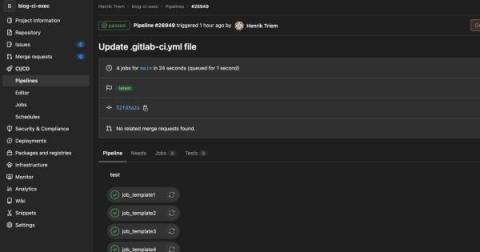
Like I’ve mentioned in my last blog post, we use GitLab pipelines for packaging. We have a lot of software, like Icinga, Icingaweb and its various modules, which we want to build across multiple different operating systems. This results in a huge number of jobs and pipelines, doing very similar stuff. We have a lot of code repetition, and this is bad – code repetition means higher code maintenance , and it invites bugs.
Imagine being lost in a new place, and your maps don't help much. That sounds frustrating, right? Yet, it's precisely how your website visitors feel if you don't have functional website architecture to guide them through your content. Website architecture is the mind map that guides your visitors and search engines through the content on your website.
Today we're announcing the launch of SquaredUp Cloud – a new kind of business intelligence (BI) tool – designed to help product, engineering, and IT teams easily discover and share insights from their data. Read on to find out more, or sign up for our webinar.
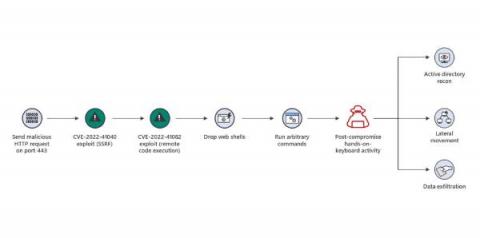
There is no end to zero-day attacks. Lessen the pain by spotting them early. In recent days two zero-day vulnerabilities against Microsoft on-premises Exchange Servers have been publicized and exploited. The good news is that Exchange cloud users such as Microsoft 365 customers, need not worry as these exploits are only against the on-premises versions.
Building modern, cloud-native applications introduces new challenges to teams and organizations. As these systems grow and scale, struggles abound: inconsistent performance monitoring experiences across siloed tools, wasteful performance management practices with duplicated efforts, and mounting frustration from colleagues and customers. Surmounting these challenges requires multiple sources of data and truly unified observability.
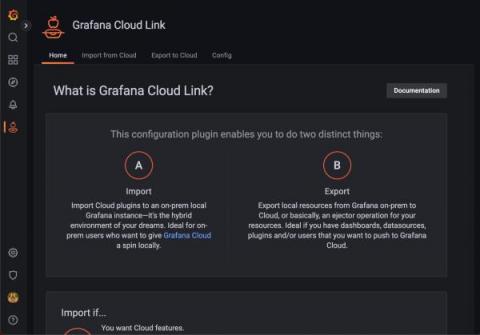
If you’ve had a local Grafana instance for any length of time, it’s likely dialed in just how you like it, and that’s a good thing. If you are working within Grafana Cloud, by contrast, you are using a heavily opinionated experience that our teams are building, managing, and provisioning. As a result, we serve up solutions that users can work with out of the box and can use to build their stack.