Operations | Monitoring | ITSM | DevOps | Cloud

Autoscaling Elasticsearch/OpenSearch Clusters for Logs: Using a Kubernetes Operator to Scale Up or Down

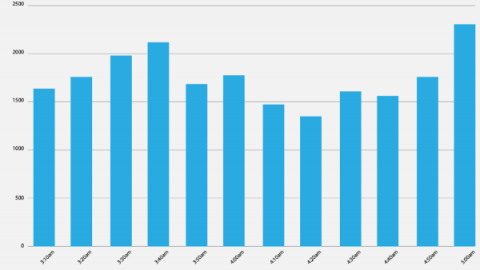
When we say “logs” we really mean any kind of time-series data: events, social media, you name it. See Jordan Sissel’s definition of time + data. And when we talk about autoscaling, what we really want is a hands-off approach at handling Elasticsearch/OpenSearch clusters. In this post, we’ll show you how to use a Kubernetes Operator to autoscale Elasticsearch clusters, going through the following with just a few commands.

Monitoring Unit Tests with OpenTelemetry in .NET

In this post, we’ll look at how you can use OpenTelemetry to monitor your unit tests and send that data to Honeycomb to visualize. It’s important to note that you don’t need to adopt Honeycomb, or even OpenTelemetry, in your production application to get the benefit of tracing. This example uses OpenTelemetry purely in the test project and provides great insights into our customer’s code. We’re going to use xUnit as the runner and framework for our tests.

10Web Booster: Speed Up Your WordPress Site with One Tool

When it comes to a website’s performance, we all know the universal rule: speed matters… a lot. Beyond a good user experience, it’s a key factor in what Google is specifically looking—and testing—for. If you need a refresher, here it is, straight from Google: And what exactly does Google consider fast?

How to monitor Solr with OpenTelemetry

Monitoring Solr is very critical because it handles the search and analysis of data in your application. Similifying this monitoring is necessary to gain full visibility into Solr’s availability and ensure it is performing as expectedn. We’ll show you how to do this using the jmxreceiver for the OpenTelemetry collector. You can utilize this receiver in conjunction with any OTel collector: including the OpenTelemetry Collector and observIQ’s distribution of the collector.

Understanding monitoring and observability

Roaming in the world of cloud technology not only helps you take a glance at the realm of cutting-edge technology but also helps you get familiar with concepts such as monitoring and observability. This article will cover an introduction to monitoring and the need for monitoring applications. From here, we will look at how you can utilize the data received when monitoring an application. This will allow us to understand how the concept of observability fits in with monitoring.

Sponsored Post

Modern Observability and Digital Transformation

For most businesses, effective digital transformation is a key strategic objective, and as computing infrastructure grows in complexity, end-to-end observability has never been more important to this cause. However, the amount of data and dynamic technologies required to keep up with demand only continues to increase, and current tools are not equipped to handle it- with any discrepancies resulting in rising costs and reduced competitiveness.

IT Asset Disposition: An MSP Opportunity That's Anything But Trash

Computers double in power every couple of years, according to Moore’s Law. That’s good news for companies and their people—continually faster and smarter gear can power higher productivity. But there’s also a downside to Moore’s Law: devices go obsolete quickly. The average server lifespan is only two to four years. And network switches often last just three to five years before breakdowns become a common concern.

How Denmark's Energinet uses Grafana Enterprise to monitor underwater energy cables - and do detective work

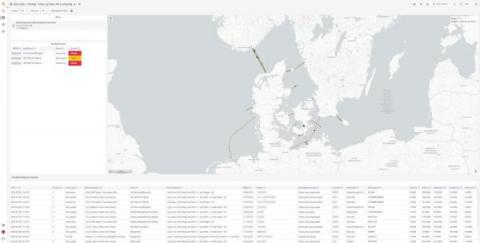
If an energy cable running through the waters surrounding Denmark gets damaged by a passing vessel, does it make a sound? Yes. . . and it’s the ping of a Grafana alert at the offices of Energinet, an independent public enterprise owned by the Danish Ministry of Climate, Energy, and Utilities.