Operations | Monitoring | ITSM | DevOps | Cloud

What is Azure Advisor?

Azure Advisor analyzes your configurations and usage telemetry and offers personalized, actionable recommendations to help you optimize your Azure resources for reliability, security, operational excellence, performance, and cost. Azure Advisor is a free service and can be accessed via the GUI on the Azure portal where recommendations are collated and can be manually examined. Azure Advisor makes recommendations for potential improvements in several areas, including.

What Does SASE Mean (for VPN)?

Break out your buzzword bingo cards, it’s time to talk about SASE or Secure Access Service Edge. Pronounced “sassy,” SASE has become one of the hottest topics in networking and security over the last three years. The basic idea is great: all your security and network services are on one platform. The problem comes when you get into the specifics. When does a set of services go from “not SASE” to “SASE”?

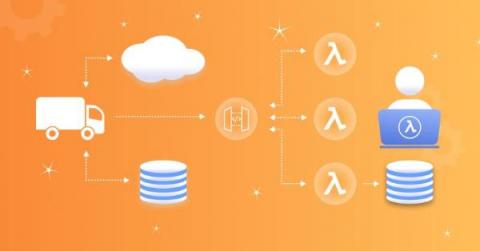
Get the Most Out of Serverless for Fleet Management Apps

You’ve probably seen Rush Hour, a logic puzzle where you have to slide cars and trucks out of the way to steer the red car towards the exit. In real life, when your customers are responsible for tracking hundreds or thousands of data points from dozens of valuable, mission-critical sensors, you’re tracking engine speed, network signal level, distance from the RF, and more—and not just through traffic but across continents.

Goats on the Road: Getting More Value From Observability Data

The best part of my job is talking with prospects and customers about their logging and data practices while explaining how Cribl focuses on getting more value from observability data. I love to talk about everything they are doing and hope to accomplish so I can get a sense of the end state. That is vital to developing solutions that provide overall value across the enterprise and not just a narrow tactical win with limited impact.

Monitor your gRPC APIs with Datadog Synthetic Monitoring

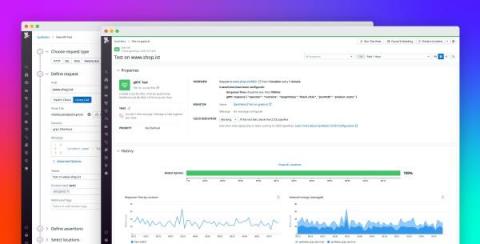
gRPC is an open-source Remote Procedure Call (RPC) framework developed by Google and released in 2016. Although gRPC is still relatively new, large organizations are adopting it in increasing numbers to build APIs that connect complex microservice meshes that use disparate languages and frameworks. gRPC-based APIs can perform requests up to seven times faster than REST APIs and enable customers to easily implement SSL authentication, load balancing, and tracing via plug-in libraries.

Why and How to Monitor AWS Elastic Load Balancing

When building systems that need to scale above a certain number of users, we usually can’t stay on one machine. This is where cloud providers like AWS usually come into play. They allow us to rent VMs or containers for small intervals. This way, we can start a few different machines when more traffic hits, and when it goes down later, we can simply turn off our extra capacity and save money. The question is, how does all this traffic get to our new machines? AWS Elastic Load Balancing!

Migrating Monoliths to Microservices in Practice

There have been amazing articles on the subjects of migrating from a monolith to a microservice architecture e.g. this is probably one of the better examples. The benefits and drawbacks of the architectures should be pretty clear. I want to talk about something else though: the strategy. We build monoliths since they are easier to get started with. Microservices usually rise out of necessity when our system is already in production.

Rust Object Store Donation

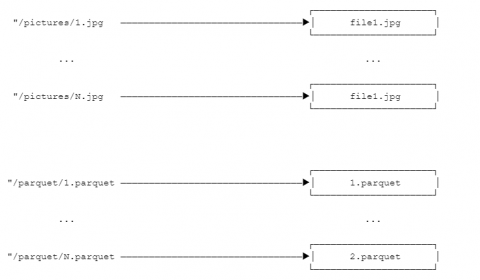
Today we are happy to officially announce that InfluxData has donated a generic object store implementation to the Apache Arrow project. Using this crate, the same code can easily interact with AWS S3, Azure Blob Storage, Google Cloud Storage, local files, memory, and more by a simple runtime configuration change. You can find the latest release on crates.io. We expect this will accelerate the pace of innovation within the Rust ecosystem.

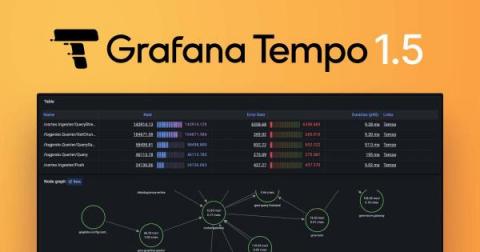
Grafana Tempo 1.5 release: New metrics features with OpenTelemetry, Parquet support, and the path to 2.0

Grafana Tempo 1.5 has been released with a number of new features. In particular, we are excited that this is the first release with experimental support for the new Parquet-based columnar store. Read on to get a high-level overview of all the new changes in Grafana Tempo! If you’re a glutton for punishment, you can also dig into the hairy details of the changelog.