The latest News and Information on DevOps, CI/CD, Automation and related technologies.
Testing is crucial in the software development phase. It helps ensure easy debugging, agile code, and enhanced reusability. Performing tests that cover all use cases helps prevent a codebase from breaking — minimizing exposure to vulnerabilities. Python has two main testing frameworks that developers can use, doctest and unittest.
With so many organizations focused on locking down environments, protocols like ICMP get immediately blocked without first weighing out the benefits.
GitLens was developed in 2016 as a lightweight extension that supercharges the capabilities of Git within VS Code. Today, with over 14 million installs and counting, GitLens is the most popular Git extension in the VS Code marketplace and one of the most widely-used extensions overall. Millions of developers are leveraging GitLens to unlock helpful insights about their project history in VS Code.
The explosion of talent available for remote work (and the widespread acceptance of remote first employment) allows for global collaboration on an unprecedented scale.
Migrating your applications from on-prem infrastructure to the cloud comes with a number of benefits, including increased agility, resilience, and scalability, as well as potential cost and IT overhead reductions. But it can be complex, which is why organizations moving to Azure often use Microsoft’s Cloud Adoption Framework for Azure and its strategy for successful migrations.
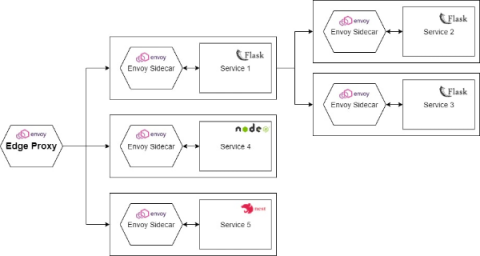
Recently microservices-based applications became very popular and with the rise of microservices, the concept of Service Mesh also became a very hot topic. Unfortunately, there are only a few articles about this concept and most of them are hard to digest.
In the era of Microservices, Cloud Computing and Serverless architecture, it’s useful to understand Kubernetes and learn how to use it. However, the official Kubernetes documentation can be hard to decipher, especially for newcomers. In this blog series, I will present a simplified view of Kubernetes and give examples of how to use it for deploying microservices using different cloud providers, including Azure, Amazon, Google Cloud and even IBM.