Mailchimp
Not subscribed to OpsMatters Newsletter


We get it — errors suck. And you don’t want to spend too much of your time fixing them, dealing with them, investigating them, etc. In our Workflow blog post series, we’ll help you optimize your, well, workflow, from crash to resolution. To quote “the second-most frequently quoted writer in The Oxford Dictionary of Quotations after Shakespeare,” Alexander Pope, “to err is human.” There will always be errors, even in code written by the best developers.
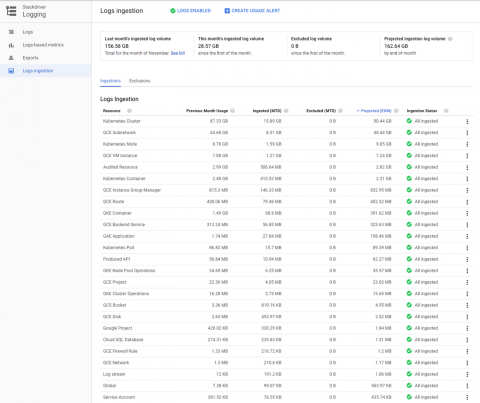
Google Stackdriver is a cloud-based managed services platform designed to give you visibility into app and infrastructure services. Stackdriver’s monitoring, logging and APM tools make it easy to navigate between data sources to view performance details and find the root causes of any issues.
Monitoring, observability and analytics have become common phraseology in the Citrix world. Alongside every Citrix project, whether it’s a new deployment, expansion, upgrade, or cloud migration, what is essentially needed in the IT toolkit is analytics. Analytics means not just data, but insights obtained through continuous monitoring; periodic measurements of critical performance metrics that convey a lot about the health and availability of the Citrix Virtual Apps and Desktops session.
Culture is the way we do things together. It’s the secret sauce that results in happy, healthy teams that consistently meet their goals. It’s also the hardest thing to define, cultivate, and change in an organization. True cultural change requires more than creating and communicating policies. It takes collaboration, persistence, and experimentation.
Since all technology traffic analysers have evolved, and in order to answer the question of what the next step in this evolution is many experts suggest that the deep packet inspection is the point to which all will evolve. However, deep packet inspection is not a new concept; ISPs have been using it, not without controversy, for some years. Then why is it referred to as the next step?
At Honeycomb, we’re pretty engineering-focused. We think our product is something every developer can benefit from, and we’re working to build something we would want to (and do!) use every day to make our own jobs easier.
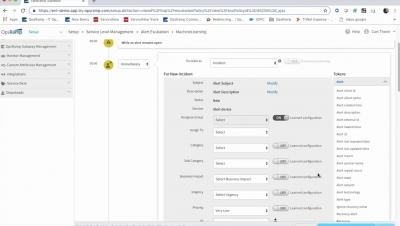
Basically, Machine Learning by itself is dumb, whether its in cars or in ITOps. It needs context and intent to be beneficial. In IT Ops, that means that it requires business context to work properly.